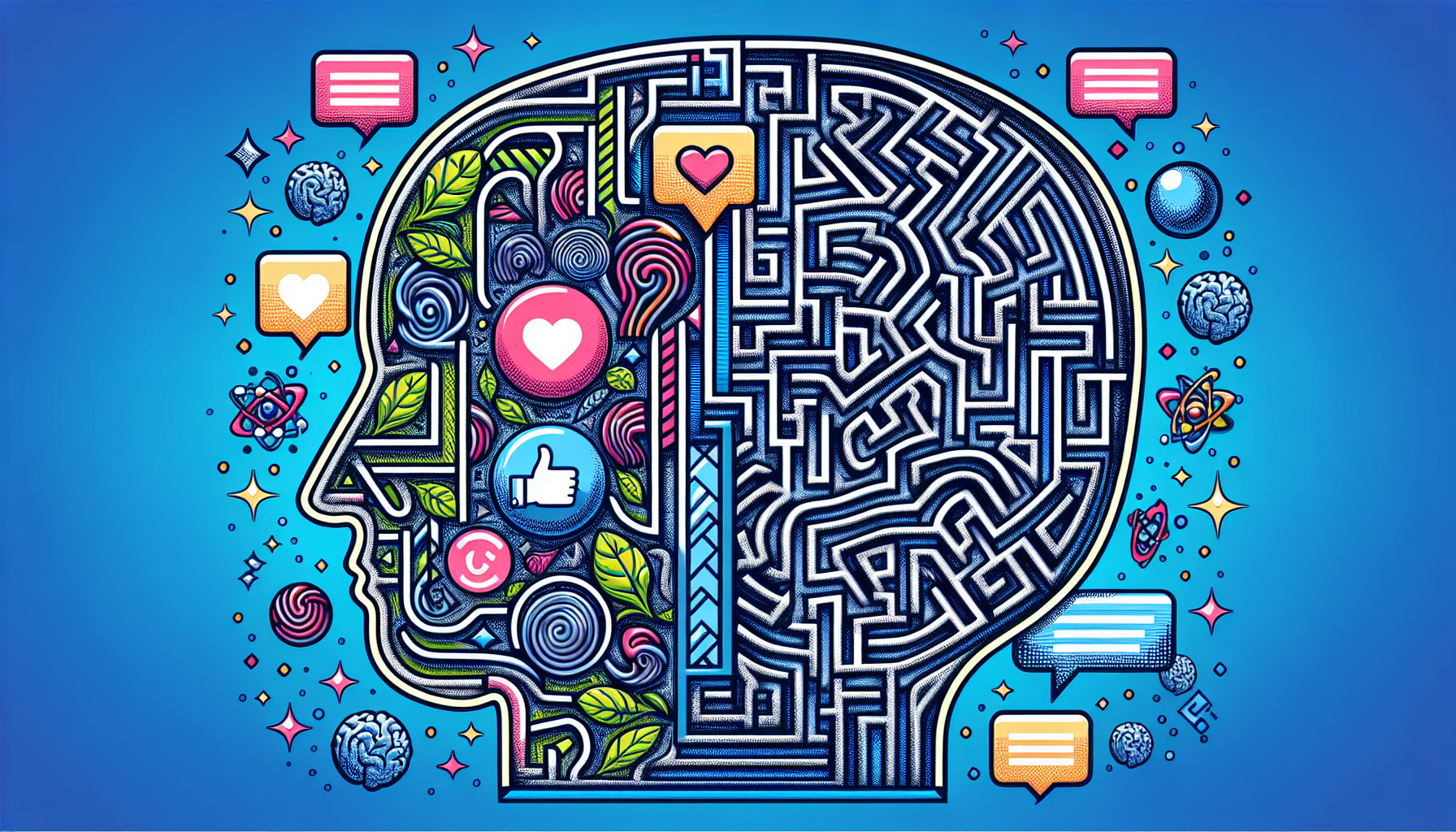
Understanding the Impact of Social Media on Mental Health
The Double-Edged Sword of Social Media
Enhanced Connectivity
Social media platforms like Facebook, Instagram, Twitter, and TikTok create opportunities for connection and interaction. Positive social interactions can enhance well-being, providing users with a sense of belonging and community. Studies suggest that maintaining connections with friends and family through these platforms can help combat feelings of loneliness and isolation. For instance, a 2021 study published in the Journal of Social and Personal Relationships found that individuals who engaged with their social networks online experienced lower levels of loneliness compared to those who did not utilize social media.
Facilitation of Support Systems
Social media also serves as a platform for individuals to seek and receive support, especially for those grappling with mental health issues. Online support groups and communities create safe spaces for sharing experiences and obtaining advice. The existence of hashtags like #MentalHealthAwareness and #EndTheStigma has made it easier for individuals to find resources and connect with others who share similar struggles. A qualitative analysis published in the International Journal of Environmental Research and Public Health discovered that peer support on social media could significantly enhance coping mechanisms for mental health challenges.
The Dark Side of Social Media
Increased Anxiety and Depression
The impact of social media on mental health is not uniformly positive. Research indicates a correlation between heavy social media usage and increased levels of anxiety and depression. The phenomenon known as “social comparison” plays a crucial role in these adverse mental health outcomes. When individuals scroll through curated posts showcasing seemingly perfect lives, they may develop feelings of inadequacy regarding their own lives. A significant study in The American Journal of Epidemiology found that heavy social media users reported higher instances of depressive symptoms due to upward social comparison.
Cyberbullying and Harassment
Cyberbullying remains one of the most alarming consequences of social media. Victims of online harassment may experience significant psychological distress, including anxiety, depression, and even suicidal thoughts. According to the Cyberbullying Research Center, approximately 37% of students aged 12-17 have been bullied online, raising concerns about the mental health consequences for this demographic. The anonymity afforded by social media platforms can embolden individuals to engage in hurtful behavior without facing immediate repercussions.
Fear of Missing Out (FOMO)
The concept of FOMO has become increasingly prevalent in the digital age. Users often feel anxiety over missing social events or opportunities that others appear to enjoy, leading to feelings of inadequacy and distress. Research published in Computers in Human Behavior found that high levels of FOMO were correlated with increased anxiety and decreased life satisfaction. The compulsive need to check notifications and updates can further exacerbate these feelings, creating a negative feedback loop.
advertisement

The Impact on Self-Esteem
Body Image Issues
Social media platforms, particularly those that emphasize visual content, can significantly impact users’ perceptions of body image. The prevalence of edited and idealized images can create unrealistic beauty standards, leading to body dissatisfaction among users. A 2020 study in Body Image found that exposure to idealized images on social media was linked to negative self-perception and increased body dissatisfaction, particularly among young women. Men are also increasingly affected, as images of muscular, toned physiques can contribute to a toxic environment where self-worth is tied to physical appearance.
The Dangers of Validation Seeking
Many users find themselves in a cycle of seeking validation through likes, comments, and shares. This dependence on external validation can undermine self-esteem, leading to feelings of worthlessness when content underperforms. According to findings in Cyberpsychology, Behavior, and Social Networking, individuals who equate their self-worth with online interactions reported higher levels of depression and anxiety. This validation-seeking behavior can detract from genuine self-acceptance and lead to a fragile sense of self-worth.
Social Media Detox: A Growing Trend
Temporary Withdrawal for Mental Clarity
In response to the negative impacts of social media, many individuals advocate for social media detoxes. This includes taking a temporary break from social platforms to promote mental clarity and well-being. A 2021 study published in the Journal of Social Media Studies found that individuals who disconnected from social media for a week reported significantly improved mood and reduced anxiety levels. Detoxing can facilitate self-reflection, allowing individuals to reassess their relationship with these platforms.
Strategies for Responsible Social Media Use
While abstaining from social media can have benefits, education about responsible use can also mitigate negative effects. Implementing strategies such as setting time limits on usage, curating one’s feed to follow accounts that promote positivity, and regularly assessing one’s mental health in relation to social media can be effective in fostering healthier interactions. Users are encouraged to engage in mindful consumption of content, focusing on communities that align with personal values and contribute positively to their mental health.
The Role of Technology in Promoting Well-Being
Development of Mental Health Apps
Amid growing concerns about social media’s impact on mental health, several platforms are integrating mental health resources. Organizations and companies are creating apps that provide mental health guidance, coping mechanisms, and resources directly accessible through social media. These apps can feature cognitive-behavioral therapy exercises, mindfulness practices, and immediate support options, potentially easing the mental strain associated with social media use.
Social Media Campaigns for Mental Health Awareness
Many social media campaigns aim to destigmatize mental health issues and promote healthy practices. Initiatives such as #MentalHealthMatters and #ItsOkayToNotBeOkay leverage the reach of social media to raise awareness and provide information. Participating in these campaigns can empower users by fostering community support and encouraging individuals to seek help.
The Potential for Positive Influence
Ultimately, social media has the potential to positively influence mental health if users approach it critically and mindfully. Educating individuals about the importance of authentic connections and mental health awareness can lead to a more balanced relationship with social media. The role of social media platforms in shaping conversations around mental health continues to evolve, with an increasing emphasis on creating environments that nurture well-being rather than exacerbate distress.
Creating a Customized Mental Health Ecosystem
The future of mental health support through social media likely involves tailoring experiences to individual needs. As algorithm-driven content curates user experiences based on interests, the focus could shift towards promoting supportive, mental health-enhancing content. Engaging with communities that prioritize mental wellness can help create a customized ecosystem of support, steering clear of harmful behaviors associated with social media use.
Conclusion: Finding Balance and Harnessing Benefits
While social media undoubtedly presents challenges related to mental health, it also offers a unique platform for fostering connections and promoting well-being. Achieving a balance in social media consumption is critical for mental health. As society increasingly recognizes the complexities of digital interaction, further research and conversation will help navigate the nuanced relationship between social media and mental well-being. The dialogue surrounding these topics will continue to evolve as we harness the potential benefits of social media while mitigating its risks.
advertisement