Timeless Elegance: The Art of Vintage Jewelry
Understanding Vintage Jewelry
Vintage jewelry refers to pieces that are typically at least 20 to 100 years old. This classification is often used to describe jewelry made from the early 20th century to the 1980s. Unlike antique jewelry, which is classified as being over 100 years old, vintage jewelry embodies a more contemporary flair while still offering a glimpse into the past. Vintage pieces are often characterized by unique craftsmanship, historical significance, and the use of traditional techniques often lost in modern mass production.
The Allure of Timeless Designs
What makes vintage jewelry so appealing is its timeless designs that resonate with elegance and charm. Here are some of the most iconic styles:
-
Art Deco (1920s-1930s): Known for geometric shapes, bold colors, and intricate designs, Art Deco jewelry often incorporates materials like platinum, diamonds, and colored gemstones. The movement reflects modernism and a break from the more ornate styles that preceded it.
-
Retro (1940s-1950s): Characterized by bold and playful designs, Retro jewelry often includes yellow gold and large, colorful gemstones. The styles were influenced heavily by Hollywood glamour, reflecting an era filled with optimism following World War II.
-
Victorian (1837-1901): Jewelry from the Victorian era is often romantic and sentimental, featuring motifs like hearts and flowers. This style uses an array of materials, including gold, silver, and gemstones. The craftsmanship is exquisite, often featuring intricate metalwork and enameling.
-
Edwardian (1901-1910): This period is renowned for its delicate lace-like designs, often utilizing platinum and diamonds. Edwardian jewelry emphasizes refinement and elegance, featuring filigree work and light, airy designs.
Materials in Vintage Jewelry
The materials used in vintage jewelry reflect the age and era in which they were made. The choice of materials can greatly affect the value and appeal of each piece.
Gold
Gold remains a classic choice for vintage jewelry. It comes in various karats, with 14K, 18K, and 22K being the most common. The color may vary as well, including yellow, white, and rose gold. Vintage gold pieces often display unique stamps indicating their metal content, adding to their authenticity.
advertisement

Silver
Silver, along with its alloys such as sterling silver, gained prominence for its affordability and beauty. Vintage silver jewelry may feature intricate engraving or designs, showcasing the artisanship characteristic of its time.
Gemstones
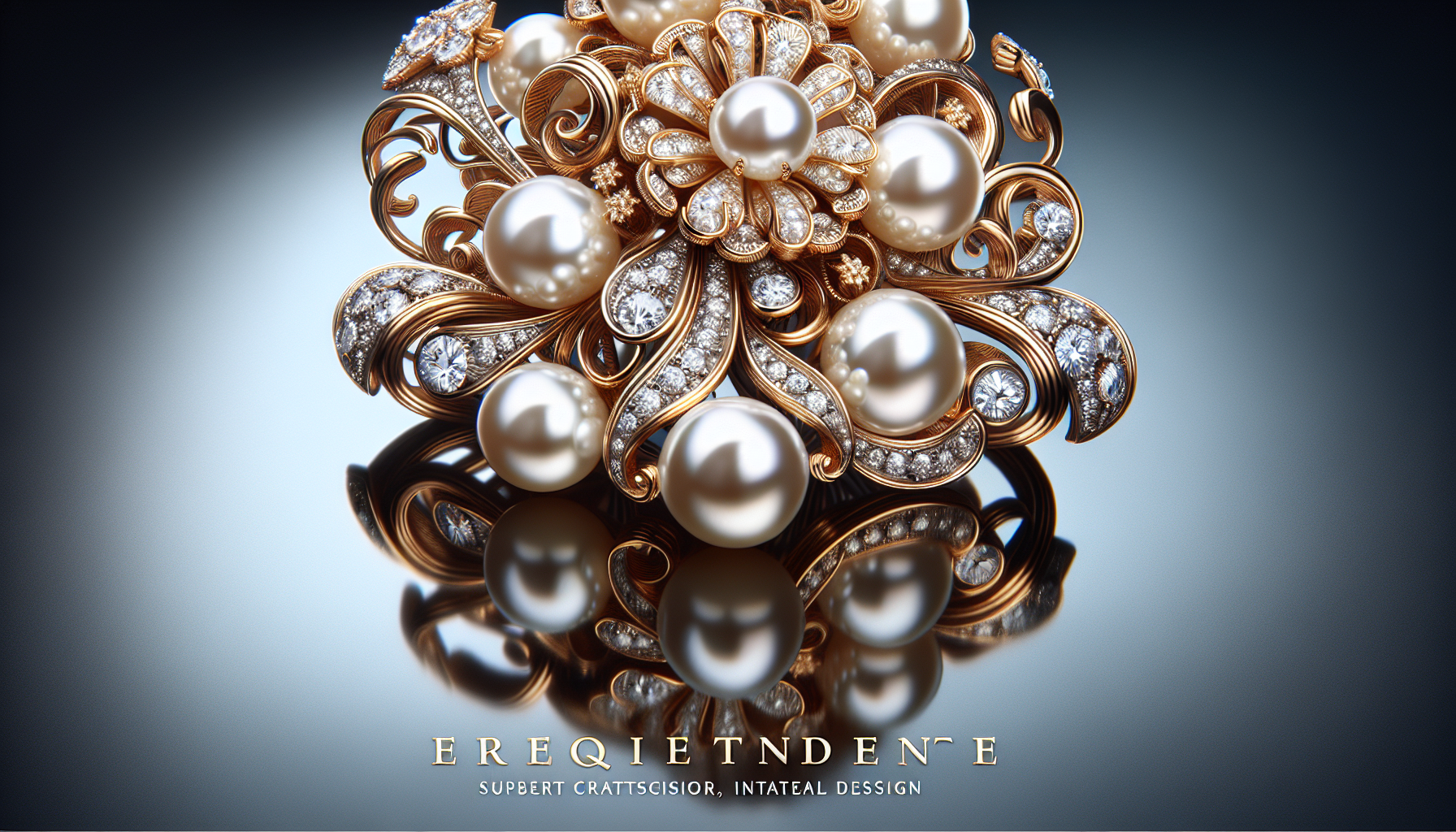
Natural gemstones dominate vintage jewelry, providing vibrant colors and unique properties. Popular stones include sapphires, emeralds, rubies, and pearls, each carrying its own history and lore. Vintage pieces often highlight these gemstones in settings that enhance their beauty, displaying the artistry of the period.
The Craftsmanship Behind Vintage Jewelry
Vintage jewelry is often distinguished by its craftsmanship, which involves techniques that have been refined over centuries. Unlike contemporary pieces, many vintage items were created by hand, bearing the marks of individual artisans. This attention to detail results in distinctive design features such as:
-
Filigree Work: Delicate intertwining of metal threads creates intricate patterns, a technique commonly found in Edwardian jewelry.
-
Enameling: Popular during the Victorian and Art Nouveau periods, enameling involves applying colored glass to metal surfaces, resulting in vibrant designs and textures.
-
Cameos and Intaglios: These wearable sculptures, often carved from shell or stone, feature images or patterns raised above or below the surface. Their intricate designs reflect the artistry of their respective eras.
-
Setting Styles: Vintage pieces may feature various setting styles, including bezel, prong, and pave settings. Each technique serves to enhance the overall design and secure the gemstones in place.
Caring for Vintage Jewelry
Caring for vintage jewelry is essential to preserve its beauty and integrity. Here are some practical tips:
-
Cleaning: Use a soft cloth for gentle cleaning. For intricate pieces, a professional cleaning is recommended to avoid damage.
-
Storage: Store items separately to prevent scratches and tangling. Use a jewelry box with padded compartments or soft pouches.
-
Avoiding Harsh Chemicals: Keep vintage jewelry away from harsh cleaning agents, perfumes, and lotions, as these can cause corrosion or discoloration.
The Investment Angle
Vintage jewelry not only offers aesthetic pleasure but can also serve as a lucrative investment. The value of vintage jewelry can appreciate significantly over time, depending on several factors:
-
Rarity: Unique pieces or those from limited collections tend to possess a higher value.
-
Condition: Well-preserved items with original components (such as stones and clasps) command higher prices.
-
Provenance: Pieces with an interesting or prestigious history can enhance their value. Documentation or certificates of authenticity can also play a critical role.
-
Market Trends: Staying informed about the market can guide successful purchases and sales. Vintage pieces that align with current fashion trends often experience a surge in interest.
Where to Find Vintage Jewelry
Exploring vintage jewelry can be both a treasure hunt and an adventure. Here are popular sources to consider:
-
Antique Shops: Often well-curated, antique shops feature a variety of vintage pieces as well as knowledgeable staff who can provide insights about the items.
-
Estate Sales: Estate sales can yield exciting discoveries, often featuring unique and rare vintage jewelry. Participating in these sales can provide valuable opportunities for collectors.
-
Online Marketplaces: Websites specializing in vintage jewelry, like Etsy or eBay, allow access to a global selection. Always check for seller reviews and return policies before purchasing.
-
Auctions: High-end auction houses host events that feature vintage jewelry collections with provenance, often attracting serious collectors.
-
Jewelry Shows and Fairs: Attending jewelry shows allows you to connect directly with collectors and dealers, fostering a deeper understanding of the market.
Authenticating Vintage Jewelry
With the rise in popularity of vintage jewelry, the potential for replicas and fakes has also increased. To ensure a valid purchase, consider these authentication tips:
-
Educate Yourself: Familiarize yourself with characteristics and signatures from specific eras. Knowing the hallmarks and styles associated with a certain period can prevent mistakes.
-
Documentation: Request certifications or appraisals from recognized experts. Well-documented pieces often have a higher resale value.
-
Expert Opinions: Seek advice from established appraisers specializing in vintage jewelry. Their expertise can guide buying decisions and increase confidence in purchases.
The Cultural Significance of Vintage Jewelry
Vintage jewelry carries not only aesthetic appeal but also cultural significance. Each piece tells a story reflecting its era’s social, economic, and artistic values. For instance, the introduction of synthetic stones during the mid-20th century revolutionized the jewelry industry, making gems accessible to a broader market.
Moreover, vintage jewelry often makes statements about identity, preference, and nostalgia. Many wearers embrace the idea of storytelling through their unique pieces, often selecting jewelry that resonates personally or carries historical weight.
The Impact of Sustainability
In our current climate of sustainability, vintage jewelry appeals to eco-conscious consumers. By opting for vintage, individuals counteract the negative environmental impacts associated with mining and production of new materials. Giving new life to vintage pieces promotes a circular economy and emphasizes the value of craftsmanship over mass-production trends.
The Future of Vintage Jewelry
As fashion cycles through various decades, vintage jewelry will continue to captivate younger generations. With the rise of social media and online marketplaces, millennials and Gen Z are increasingly drawn to the uniqueness and stories behind vintage pieces. However, authenticity and quality remain crucial considerations moving forward.
Final Thoughts
The art of vintage jewelry embodies a blend of history, craftsmanship, and unparalleled beauty. As it evolves past mere fashion statements, understanding vintage jewelry becomes essential for collectors, enthusiasts, and casual buyers alike. Whether you’re seeking a stunning heirloom piece or an intricately crafted statement ring, vintage jewelry offers a unique chance to possess a piece of history.
advertisement