Timeless Elegance: The Allure of Vintage Jewelry
Understanding Vintage Jewelry
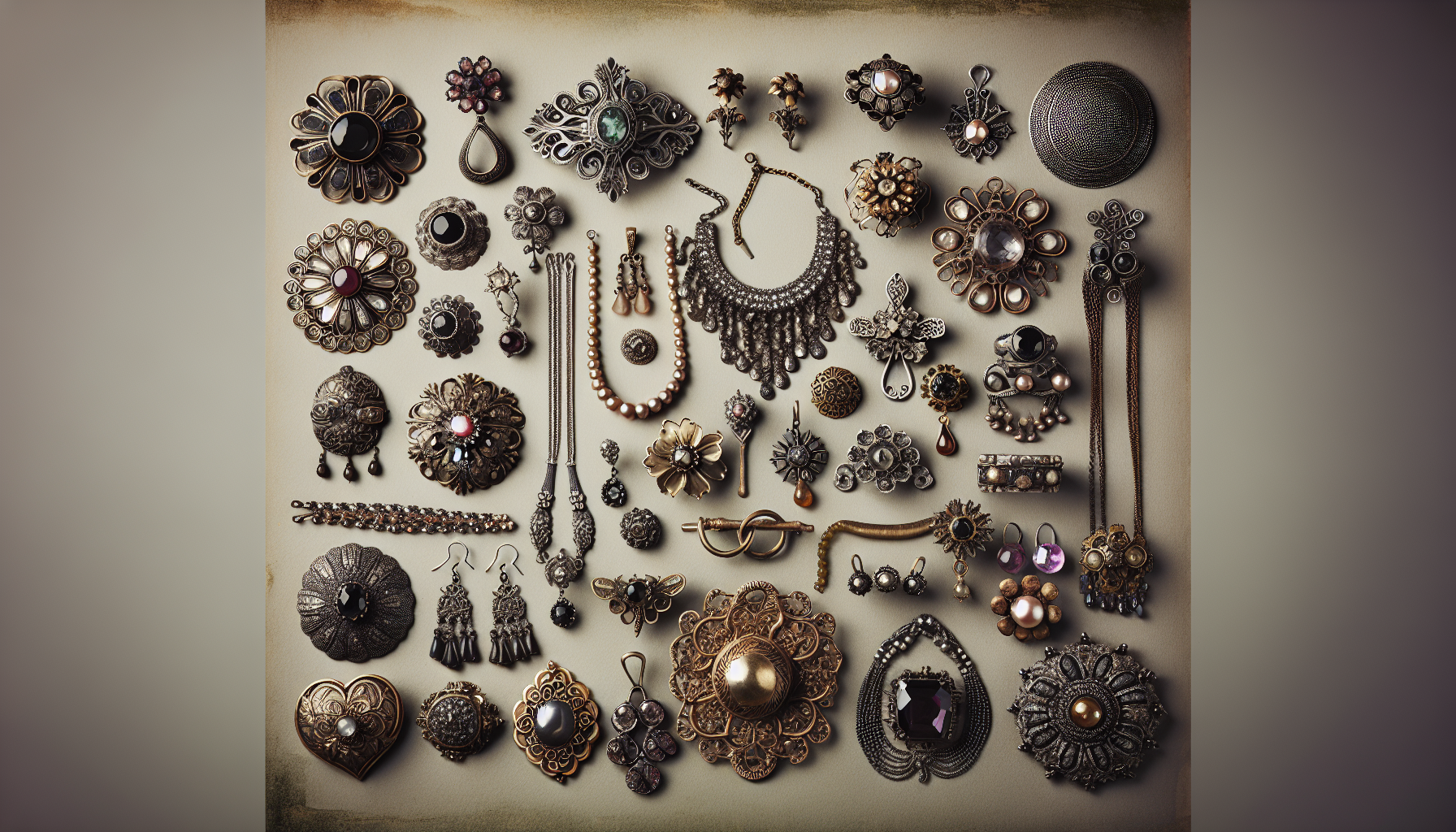
Vintage jewelry embodies a unique fusion of history, craftsmanship, and artistry, offering a distinct charm that contemporary pieces often struggle to replicate. Typically defined as jewelry that is at least 20 years old, vintage accessories are cherished for their intricate designs, superior materials, and the stories they tell. This jewelry spans various styles, each reflecting the aesthetic sensibilities of different eras, from the sumptuous Art Deco pieces of the 1920s to the bohemian-inspired designs of the 1960s.
The Allure of History
One of the most captivating aspects of vintage jewelry is its rich history. Each piece carries with it the essence of the time it was made, often reflecting cultural narratives, fashion trends, and societal norms of that era. For example, the Victorian era (1837-1901) produced a wealth of sentimental jewelry symbolizing love and loss through intricate motifs of hearts, locks, and keys. In contrast, the Roaring Twenties ushered in the exuberant, geometric shapes of Art Deco designs, representing a break from traditional norms and an embrace of modernity.
Owning vintage jewelry not only allows individuals to wear a piece of history but also serves as a conversation starter that connects them to the past. Collectors can immerse themselves in the stories behind the pieces, from royal families and famous figures to local artisans who poured their souls into the creations.
Craftsmanship and Quality
The craftsmanship found in vintage jewelry is another significant factor that enhances its allure. Jewelry from the past was often made by skilled artisans who utilized techniques passed down through generations. Unlike much of today’s mass-produced jewelry, vintage pieces showcase intricate handwork, quality materials, and attention to detail that are often absent in contemporary designs.
For instance, vintage pieces made from gold, silver, or platinum are not only aesthetically pleasing but also durable. Many vintage jewelry items contain precious gemstones such as diamonds, sapphires, rubies, and emeralds, often sourced from mines that are now depleted. The quality of these stones, coupled with their historical provenance, makes vintage jewelry a valuable investment.
advertisement

Styles Through the Ages
-
Art Nouveau (1890-1910): Characterized by flowing lines and organic forms, Art Nouveau jewelry often features floral motifs and the use of enamel. Artists like Alphonse Mucha inspired this era, where jewelry became a form of artistic expression rather than mere adornment.
-
Edwardian (1901-1915): Known for its delicate and lacy designs, Edwardian jewelry often exhibited intricate filigree work and was adorned with diamonds. It reflects the elegance of the Edwardian period, marked by an elite aura.
-
Art Deco (1920-1935): The Art Deco movement introduced bold geometric designs and vibrant colors. This era celebrated modernity and luxury. It was common to see materials like Bakelite and onyx, along with diamonds.
-
Retro (1935-1950): The Retro style was characterized by its bold, sculptural designs and the use of large gemstones. Inspired by Hollywood glamour, this era brought a newfound love for luxurious, statement pieces.
-
Mid-Century Modern (1940-1960): This period showcased clean lines and minimalism. Jewelry often included innovative materials and unique designs that reflected the post-war optimism of the time.
-
Bohemian (1960s-1970s): Emphasizing individuality, the Bohemian style embraced eclectic designs, oversized stones, and unconventional materials, resonating with the counterculture movement.
The Rise of Vintage Jewelry in Modern Fashion
In recent years, there has been a noticeable resurgence in the popularity of vintage jewelry, driven by a desire for authenticity and uniqueness in an era dominated by fast fashion. Consumers are increasingly seeking out pieces that hold a personal connection and can stand apart from typical new accessories. This trend is also fueled by the sustainability movement, as buying vintage reduces the demand for new production and minimizes environmental impact.
Fashion icons and influencers are often seen sporting vintage finds, further elevating the status of these beautiful pieces. Vintage jewelry is increasingly featured on runways and in fashion campaigns, showcasing its versatility and timeless style.
Finding Authentic Vintage Jewelry
The hunt for vintage jewelry can be as exciting as wearing it. Vintage jewelry can be found in a variety of places:
-
Estate Sales and Auctions: Often, estate sales house hidden gems that are overlooked by the general public. Auctions can also feature high-value pieces from renowned jewelers.
-
Antique Shops: These shops often curate collections of vintage jewelry and can provide insights into their historical significance.
-
Online Marketplaces: Websites dedicated to vintage jewelry offer a wide selection. However, care must be taken to ensure authenticity; look for reputable sellers with return policies and positive reviews.
-
Flea Markets and Thrift Stores: While these venues require a bit of luck and perseverance, the thrill of finding a unique piece at a fraction of its market value is part of the vintage jewelry experience.
Valuation and Appraisal
Understanding the value of vintage jewelry requires knowledge of its construction, condition, and market demand. Factors like maker’s marks, age, and provenance can significantly affect a piece’s worth. Having vintage jewelry appraised by a certified gemologist or appraiser can provide clarity and serve as a valuable resource for insurance purposes.
Investing in vintage jewelry can also pay off, as some pieces appreciate over time. Collectors often find that demand for well-preserved, unique items remains high, making vintage jewelry not just a stylish choice but also a wise financial decision.
Caring for Vintage Jewelry
Preserving the allure of vintage jewelry requires care and attention. Here are several tips for maintaining these delicate pieces:
-
Clean with Caution: Use a soft cloth to gently wipe away dirt and oils. Avoid harsh chemicals or ultrasonic cleaners, which can damage the jewelry.
-
Store Properly: Keep pieces in a shaded, dry environment to prevent tarnishing or stone loosening. Use anti-tarnish pouches or breathable fabric pouches for storage.
-
Regular Inspections: Check for loose stones or damaged settings regularly. Early repairs can prevent further damage and maintain the piece’s integrity.
-
Wear Wisely: While the desire to flaunt vintage jewelry is strong, it’s wise to avoid wearing it during heavy activities or in extreme conditions to minimize wear and tear.
Final Thoughts
The attraction to vintage jewelry goes beyond a mere appreciation for its aesthetic appeal. Vintage pieces are imbued with stories and craftsmanship that echo through time, fostering a connection to the past while seamlessly integrating into modern fashion. Their uniqueness, quality craftsmanship, and the richness of history make vintage jewelry a continually alluring choice for collectors, enthusiasts, and everyday wearers alike. Each piece has a tale to tell—a treasure of timeless elegance just waiting to be discovered.
advertisement