The Ultimate Guide to Foodie Adventures
Understanding Foodie Culture
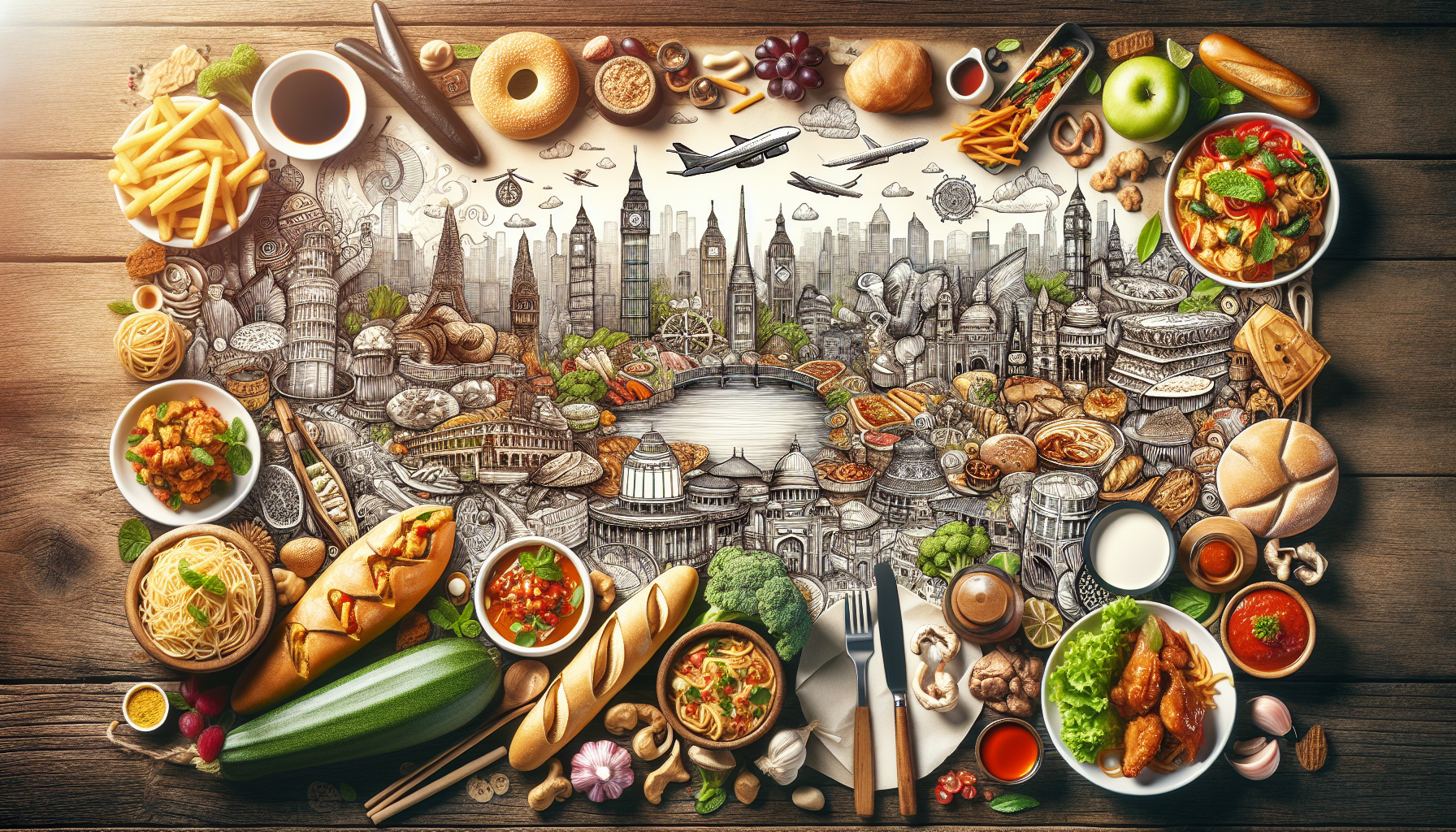
Foodie culture is a rich tapestry of culinary exploration, community connection, and cultural appreciation. At its heart are individuals who seek out unique food experiences, from street vendors to Michelin-star restaurants. Engaging with food as an adventure allows one to appreciate not just the flavors but also the stories behind them.
What is a Foodie?
A foodie is someone who is particularly passionate about food, often going beyond mere sustenance to appreciate flavors, techniques, and stories. Foodies explore diverse cuisines, share their culinary experiences, and often engage in cooking and blogging. They prioritize quality, sustainability, and creativity in their food choices.
Characteristics of Foodies
- Curiosity: Foodies love trying new ingredients and dishes.
- Community-Oriented: They often seek to experience food in communal settings.
- Adventurous: Enthusiastic about exploring unknown culinary territories.
- Knowledgeable: Many are well-informed about cooking techniques, food origins, and nutrition.
Planning Your Foodie Adventure
Setting Your Culinary Goals
Before embarking on your foodie adventure, outline your culinary goals. Do you want to explore local street food, indulge in fine dining, or learn to cook? Setting clear objectives helps tailor your journey.
Choosing Your Destination
- Local Exploration: Start with local eateries and food festivals. Many cities feature hidden gems waiting to be discovered.
- International Adventures: Traveling abroad provides an opportunity to immerse yourself in entirely new culinary traditions.
- Regional Focus: Delve into the unique cuisines of specific regions, such as Southern BBQ or New England seafood.
Budgeting Your Adventure
Budgeting is key to enjoying your foodie adventure without financial stress. Allocate your budget for dining, cooking classes, and special events. Consider the following:
- Dining Options: Mix casual dining and fine dining in your plans.
- Cooking Classes: Enroll in classes that highlight local cuisine; many are reasonably priced.
- Food Markets: Visiting local markets allows you to sample regional specialties and often costs less.
Experiencing Local Cuisine
Street Food: The Soul of Culinary Culture
Street food offers an authentic taste of local culture. Vendors often serve traditional recipes passed down through generations, making every bite a unique experience. Discover the following:
advertisement

- Savor Local Favorites: Dig into tacos in Mexico City, falafel in Tel Aviv, or banh mi in Vietnam.
- Food Tours: Join guided street food tours to sample various dishes while learning about their origins.
Fine Dining: A Culinary Journey
Fine dining represents an elevated experience where chefs craft intricate culinary masterpieces. When indulging in fine dining:
- Tasting Menus: Opt for chef’s tasting menus to explore a range of flavors and techniques.
- Pairing Wines: Engage with your sommelier for unique wine pairings that enhance the dining experience.
Farmers’ Markets: Fresh and Local
Farmers’ markets are excellent for tasting local produce, artisan goods, and homemade products. Enjoy:
- Organic Goods: Sample and purchase seasonal fruits and vegetables.
- Local Artisans: Engage with local vendors selling preserves, cheeses, and baked goods.
Food Festivals: Celebrating Culinary Diversity
The Thrill of Food Festivals
Food festivals are celebrations of regional cuisines, offering tastings, cooking demos, and competitions. Attend festivals such as:
- The New Orleans Jazz & Heritage Festival: A celebration of culture and food, featuring iconic dishes from the Crescent City.
- The Great British Bake Off Live: Celebrate baking and enjoy demonstrations and workshops with expert bakers.
Participating in Culinary Events
Many festivals offer opportunities to participate in:
- Cooking Competitions: Showcase your culinary skills in local competitions where you can also connect with other food lovers.
- Workshops: Join workshops led by experienced chefs focusing on local cooking techniques or specialized preparations.
Cooking Classes: Hands-On Learning
Finding the Right Class
Cooking classes provide an immersive way to connect with a cuisine. Seek out:
- Reputable Schools: Look for cooking institutions with credible reviews and experienced instructors.
- Local Chefs: Classes hosted by local chefs can provide insights into regional flavors and cooking techniques.
Tips for a Successful Class
- Engage: Ask questions to deepen your understanding of the methods and ingredients used.
- Take Notes: Document your learning to reference later when trying out the recipes at home.
Foodie Travel Around the Globe
Europe: A Culinary Wonderland
Europe is a treasure trove of culinary delights. Each country offers distinct flavors:
- Italy: Explore diverse regional dishes, from pasta in Bologna to seafood in Sicily.
- Spain: Savor tapas in Barcelona and paella in Valencia while experiencing the vibrant food culture.
Asia: A Flavorful Journey
Asia boasts an array of unique culinary experiences:
- Thailand: Engage with street vendors for dishes like Pad Thai and Tom Yum.
- Japan: Experience sushi craftsmanship, ramen shops, and kaiseki cuisine that highlights seasonal ingredients.
The Americas: Diverse Flavors
The Americas offer a rich array of culinary traditions:
- Mexico: Dive into flavors of mole and traditional tamales while enjoying vibrant markets.
- Peru: Experience Peruvian cuisine known for its fusion of indigenous and international influences, such as Ceviche or Lomo Saltado.
Engaging with Culinary Heritage
The Power of Food Tourism
Food tourism encourages travelers to explore culture and identity through cuisine. Understanding the cultural significance of food adds depth to the dining experience.
Culinary Workshops and Immersions
Engage in culinary workshops that emphasize local traditions, allowing for a hands-on experience that connects you with the community.
- Cultural Nights: Many cities host cultural nights where locals share traditional cuisine, dance, and stories.
- Home Dining Experiences: Platforms like EatWith connect travelers with locals for home-cooked meals, fostering authentic experiences.
The Role of Social Media
Documenting Your Journey
Social media allows foodies to share their culinary adventures with a larger audience. Use platforms like Instagram, TikTok, or food blogs to document and share your experiences.
- Instagram: Capture vibrant food photography using natural lighting; aesthetics matter.
- Blogging: Create a detailed blog reporting your culinary journeys, including recipes, reviews, and personal insights.
Engaging with the Foodie Community
Social media also serves as a platform to connect with like-minded food lovers. Participate in discussions, share recommendations, and collaborate on culinary projects.
Sustainable Foodie Adventures
Prioritizing Sustainability
Today’s food enthusiasts are increasingly aware of the importance of sustainability. Making conscious food choices makes a difference.
- Local Sourcing: Choose locally sourced ingredients at markets to reduce carbon footprints.
- Food Waste: Educate yourself on reducing food waste by utilizing leftovers effectively.
Supporting Ethical Eateries
Seek out restaurants and cafes focused on ethical practices, from sourcing ingredients to minimizing their ecological impact. Look for:
- Certifications: Many eateries display certifications for sustainability practices.
- Seasonal Menus: Restaurants with seasonal menus often prioritize local produce, supporting local farmers.
Resources for Foodie Adventures
Essential Apps for Foodies
Several apps can enhance your foodie adventure experience:
- TripAdvisor: Research restaurants, read reviews, and explore travel recommendations.
- Yelp: Find local eateries based on your specific preferences and read reviews from fellow foodies.
- Google Maps: Discover nearby food options, from street vendors to fine dining, based on user ratings.
Cookbooks and Food Documentaries
Educate yourself with cookbooks that celebrate global cuisines or documentaries that explore food culture. Recommended resources include:
- “Salt, Fat, Acid, Heat” by Samin Nosrat: A guide that combines science and cooking essentials.
- Documentaries like “Chef’s Table”: Featuring renowned chefs and their culinary philosophy.
Experiences Beyond Dining
Cultural Experiences
Food experiences often include cultural elements, such as traditional performances, arts, and crafts. Attend local events to understand better the community around the beautifully crafted dishes you enjoy.
Culinary-Related Activities
Engage in culinary classes, wine tastings, or coffee brewing sessions to dive deeper into the culinary world, expanding not only your palate but also your knowledge.
Connecting with Other Foodies
Network with other food enthusiasts at food-focused events, fairs, and online platforms. Building relationships within the foodie community can lead to new experiences and opportunities.
Navigating Dietary Restrictions
Accommodation for Dietary Needs
As a foodie, navigating dietary restrictions can be challenging but rewarding. Many restaurants are increasingly accommodating, offering vegan, gluten-free, or allergy-sensitive options.
Research Before You Travel
Educate yourself on culinary traditions before heading to your destination. Researching local dietary practices ensures you can tailor your food experiences while enjoying local flavors safely.
Engaging with Local Communities
Connect with local foodie groups or forums to discover hidden gems that cater to your dietary needs. Many directors and blogs focus on specific dietary perspectives within food cultures.
Staying Inspired: Continuing Your Foodie Passion
Travel for Food Experiences
Embark on domestic and international travel focused on culinary exploration, learning about new ingredients and cooking techniques.
Experimenting at Home
Try replicating dishes you encountered during your travels and experiment with new ingredients sourced from local markets. This keeps your enthusiasm alive while nourishing your loved ones with delightful dishes.
Keep Learning
Stay informed about food trends, innovative techniques, and culinary education through workshops, online courses, and food science research.
Embrace the adventure of food, discovering new experiences and flavors while connecting with cultures around the globe. Design your ultimate foodie adventure with passion, curiosity, and an unwavering love for all things culinary.
advertisement