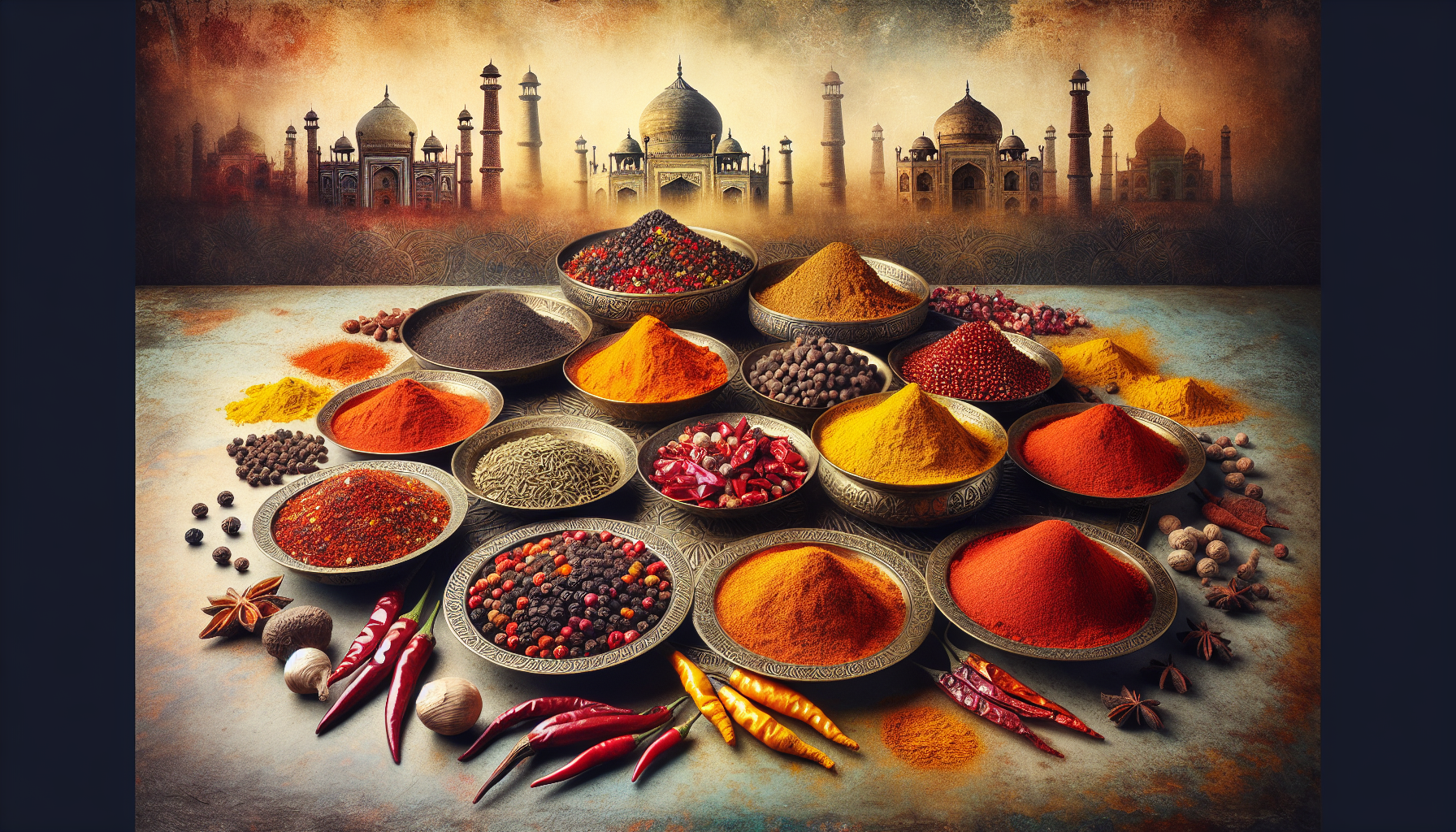
The Spice Journey: Exploring India’s Regional Cuisines
The Diversity of Indian Cuisine
India is a tapestry of cultures, languages, and traditions, and its cuisine reflects this incredible diversity. With an astonishing range of regional flavors, cooking techniques, and local ingredients, Indian food provides a vibrant culinary experience. Each region of India is characterized by its distinct culinary traditions shaped by geography, climate, history, and culture.
Northern India: A Melting Pot of Flavors
Punjabi Cuisine
Punjab is famous for its hearty and robust dishes, often characterized by the use of dairy products, spices, and tandoor cooking. Iconic dishes include Butter Chicken, Sarson da Saag, and Makki di Roti. Vegetarian options are also plentiful, with Chole Bhature and Aloo Paratha being favorites. Spices like cumin, coriander, and garam masala are staples, providing warmth and depth.
Kashmiri Cuisine
Kashmiri cuisine, known for its unique use of spices and fragrant saffron, offers dishes like Rogan Josh and Yakhni. The Wazwan, a traditional Kashmiri feast, showcases a medley of meat-based dishes, highlighting artistry and culinary skills.
Uttarakhand Cuisine
From the mountain states of Uttarakhand, dishes like Kafuli (a spinach-based dish) and Aloo Gutke (fried potatoes with spices) showcase local ingredients. The cuisine often employs lesser-known spices such as Kanda (dried onions) and Bhatt (black soybean), giving it a distinctive taste.
Central India: The Heart of Spices
Madhya Pradesh Cuisine
Madhya Pradesh offers a blend of flavors, prominently showcasing ingredients like wheat, rice, and lentils. Signature dishes like Biryani, Poha, and Dal Bafla reflect its agrarian roots. The use of spices like fenugreek and mustard seeds enhances the flavor profile.
advertisement

Chhattisgarhi Cuisine
Chhattisgarh is known for its forest produce and traditional cooking methods. Farcha (spiced roasted chicken) and Bafauri (steamed lentil dumplings) are two beloved dishes. The cuisine emphasizes the use of herbs and fresh greens, highlighting local biodiversity.
Western India: A Symphony of Flavors
Maharashtrian Cuisine
Maharashtra boasts a varied culinary landscape, from the coastal areas to mountainous regions. Puran Poli (sweet flatbread), Misal Pav (spicy curry with bread), and Vada Pav (spiced potato burger) are favorites. The region’s use of coconut, peanuts, and various spices makes its dishes unique.
Gujarati Cuisine
Influenced by Jainism, Gujarati cuisine focuses heavily on vegetarian dishes. Dhokla (steamed savory cake), Thepla (spiced flatbread), and Undhiyu (mixed vegetable casserole) are staples. The balance of sweet, salty, and spicy flavors is distinctive, achieved through diverse spices including asafoetida.
Rajasthani Cuisine
Rajasthan is known for its rich, royal heritage, and this is reflected in its robust cuisine. Dal Baati Churma and Gatte ki Sabzi are integral to its culinary identity. The use of dried fruits, lentils, and spices like cumin and turmeric characterizes Rajasthani dishes, which are well-adapted to the dry climate.
Southern India: A Culinary Mosaic
Andhra Pradesh Cuisine
Andhra Pradesh is synonymous with bold, spicy flavors. The use of tamarind, curry leaves, and a variety of spices imparts a distinctive character to dishes like Hyderabadi Biryani and Pulihora (tamarind rice). The culinary style is noted for its wealth of vegetarian and non-vegetarian options.
Kerala Cuisine
Kerala’s coastal geography contributes to its vibrant seafood offerings and coconut-integrated dishes. Fish Moilee and Kerala Sadya (a traditional feast served on a banana leaf) highlight local produce and spices. The unique use of spices such as black pepper, cardamom, and curry leaves reflects the region’s historical spice trade.
Tamil Nadu Cuisine
Tamil Nadu is renowned for its rice-based dishes, with Sambar and Rasam being central to meals. The use of fresh ingredients and spices like mustard seeds, dried red chilies, and curry leaves creates robust flavors. The tradition of serving meals on a banana leaf signifies an emphasis on authenticity.
Eastern India: The Fusion of Flavors
Bengali Cuisine
Bengal’s cuisine artfully combines flavors, with an emphasis on fish, rice, and lentils. Machher Jhol (fish curry) and Shorshe Ilish (hilsa fish in mustard sauce) are iconic dishes. Bengali sweets like Rasgulla and Sandesh, made with chhena (cottage cheese), celebrate the region’s dessert culture, often flavored with cardamom or saffron.
Odisha Cuisine
Odisha’s cuisine is less known than its northern and southern counterparts but offers equally delightful dishes. Traditional meals feature dalma (lentils with vegetables) and pakhala (fermented rice water), reflecting local climate influences. Spices are relatively mild, focusing on the natural flavors of the ingredients.
Fusion and Global Influence
The global interest in Indian cuisine has spurred the evolution of fusion dishes, merging traditional Indian cooking with global culinary techniques. Chefs now utilize locally sourced ingredients to create innovative dishes that pay homage to regional flavors while appealing to contemporary palates.
Conclusion
The journey through India’s regional cuisines reveals the deep connection between geography, culture, and food. Each region tells its own story through its unique dishes, ingredients, and cooking methods. As the world continues to embrace Indian flavors, the rich tapestry of Indian cuisine will undoubtedly evolve, continuing to surprise and delight food enthusiasts everywhere.
SEO Optimization Tips
-
Keywords: Use relevant keywords like “Indian cuisine,” “regional Indian dishes,” “spices in Indian food,” and “traditional Indian recipes” throughout the article to improve search engine visibility.
-
Headings: Utilize proper headings (H2, H3, etc.) to break up sections for readability and to enhance structured data.
-
Meta Tags: Create engaging title tags and meta descriptions that encourage clicks while succinctly conveying the article’s subject matter.
-
Internal and External Links: Incorporate links to related articles or reputable sources to establish credibility and provide readers with further information.
-
Images: Include high-quality images of dishes to enhance visual appeal, employ alt text for SEO, and improve user engagement.
-
Readability: Use bullet points, numbered lists, and short paragraphs to enhance overall readability and user experience.
-
Call-to-Action: Encourage readers to share their experiences with regional Indian cuisines or explore more about Indian cooking techniques in the comments.
By focusing on these aspects, the article will not only engage readers but also perform well in search engine results.
advertisement