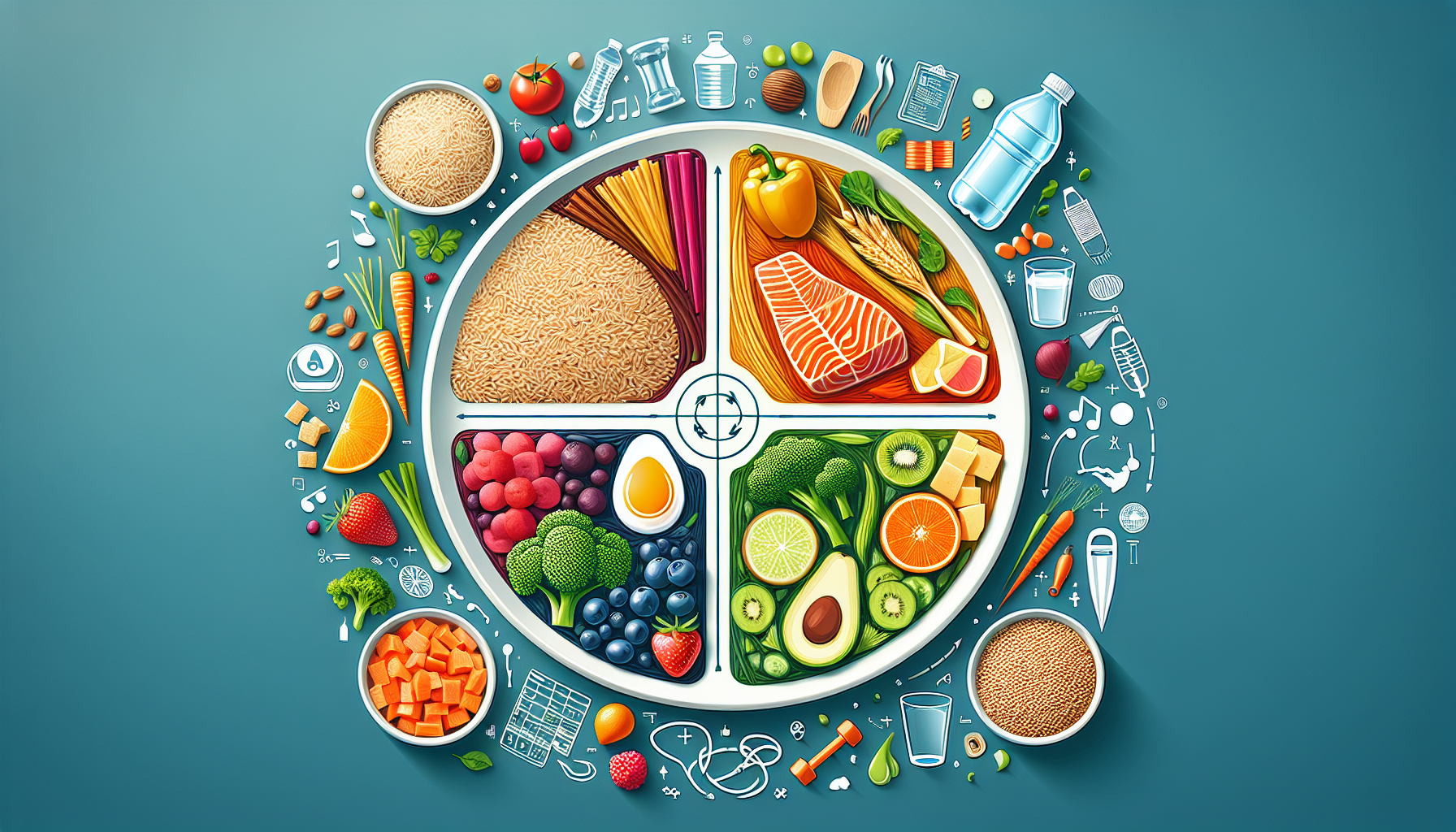
Understanding a Balanced Diet
A balanced diet is the cornerstone of optimal health. It is essential for maintaining healthy body functions, boosting the immune system, enhancing physical performance, and supporting mental well-being. Knowing what constitutes a balanced diet can be the key to achieving these benefits.
The Building Blocks of a Balanced Diet
1. Macronutrients
Macronutrients are the nutrients required in larger amounts that provide the energy necessary for our daily activities. They consist of carbohydrates, proteins, and fats.
Carbohydrates
Carbohydrates are the body’s primary energy source. They can be categorized into simple carbohydrates (sugars) and complex carbohydrates (starches and fiber). Whole grains, fruits, and vegetables are excellent sources of complex carbohydrates, which are essential for maintaining stable blood sugar levels and providing sustained energy.
- Recommended Intake: 45-65% of total daily calories should come from carbohydrates.
Proteins
advertisement

Proteins are crucial for repairing tissues and making enzymes, hormones, and other body chemicals. Proteins are made up of amino acids, which are the building blocks of body tissue. High-quality protein sources include lean meats, poultry, fish, eggs, dairy products, legumes, tofu, and nuts.
- Recommended Intake: 10-35% of total daily calories.
Fats
Fats play vital roles in hormone production, nutrient absorption, and energy storage. Healthy fats, such as monounsaturated and polyunsaturated fats, come from sources like avocados, olive oil, and fatty fish. Saturated and trans fats should be limited.
- Recommended Intake: 20-35% of total daily calories.
2. Micronutrients
Micronutrients, which include vitamins and minerals, are vital for good health. They are required in smaller amounts but are crucial for various bodily functions.
Vitamins
Vitamins, divided into water-soluble (B vitamins, vitamin C) and fat-soluble (vitamins A, D, E, and K), support processes like energy production, red blood cell formation, and immune function.
Minerals
Minerals such as calcium, potassium, magnesium, and iron are essential for bone health, muscle function, and oxygen transport, among other roles. A diverse diet rich in fruits, vegetables, whole grains, lean proteins, and dairy can help ensure adequate intake of these vital nutrients.
The Role of Hydration
Hydration is a pivotal part of a balanced diet. Water aids in digestion, nutrient absorption, and waste elimination. It is essential to drink an adequate amount of water daily—roughly 8 to 10 cups—adjusting for activity level and climate conditions.
Incorporating Fruits and Vegetables
Fruits and vegetables are rich sources of vitamins, minerals, fiber, and antioxidants. They help reduce the risk of chronic diseases such as heart disease, diabetes, and cancer. Aim for at least five servings of fruits and vegetables daily.
- Tip: Vary the colors to maximize nutrient intake. Dark leafy greens, vibrant reds, and bright yellows can indicate a broader range of nutrients.
Whole Grains vs. Refined Grains
Choosing whole grains over refined grains is essential for a balanced diet. Whole grains retain their bran and germ, providing fiber and important nutrients. White bread, white rice, and pastries are examples of refined grains and often have reduced nutrient content.
- Examples of Whole Grains: Brown rice, quinoa, barley, whole grain pasta, and oatmeal.
Protein Quality and Sources
Balance the types of protein you consume. Include plant-based sources like legumes, nuts, and seeds alongside animal sources, ensuring you receive a comprehensive amino acid profile.
- Tips for Protein: Incorporate sources like lentils, chickpeas, and beans into salads and soups to provide ample protein without high saturated fat.
Healthy Fats
Incorporate healthy fats into your diet while avoiding trans fats and limiting saturated fats. Sources of healthy fats include:
- Monounsaturated Fats: Olive oil, avocados, and nuts.
- Polyunsaturated Fats: Fatty fish (salmon, mackerel), flaxseeds, and walnuts.
Portion Control
Managing portion sizes is crucial for a balanced diet. Overeating, even healthy foods, can lead to weight gain. Use smaller plates, and be mindful of portion sizes to ensure appropriate calorie intake.
Meal Timing and Frequency
Eating regular meals throughout the day helps maintain energy levels and prevent overeating. Aim for three balanced meals with healthy snacks in between.
- Snacking Smart: Choose snacks like fruits, nuts, or yogurt to keep energy levels stable and avoid processed snack foods.
Special Dietary Needs
Everyone’s dietary needs may vary based on age, gender, activity level, and health conditions. Specific populations, such as pregnant women, children, athletes, and those with chronic diseases, may require tailored dietary adjustments.
- Consult a Professional: When in doubt, seeking guidance from a registered dietitian can help create a personalized eating plan.
Mindful Eating
Practicing mindful eating involves being present during meals, savoring each bite, and recognizing hunger and fullness cues. This practice can enhance your relationship with food and prevent overeating.
- Strategies for Mindful Eating: Eat slowly, avoid distractions such as phones or television, and focus on the flavors, textures, and aromas of your food.
Limit Added Sugars and Sodium
Excessive sugar and sodium intake can lead to health problems like obesity, hypertension, and heart disease. Read food labels to make informed choices and opt for fresh or minimally processed foods.
- Sugar Recommendations: Limit added sugars to less than 10% of total daily calories.
Balanced Eating Patterns
Creatively combining foods into entire meals that emphasize balance can be enjoyable and healthful. For example, create balanced meals by pairing lean proteins with whole grains and colorful vegetables:
- Example Meal: Grilled chicken with quinoa, steamed broccoli, and a salad with various vegetables topped with olive oil dressing.
Cultural and Personal Preferences
Respect and incorporate cultural dietary preferences into your balanced eating plan. This not only promotes enjoyment of your meals but also ensures adherence to healthy eating habits.
- Diversity: Experiment with different cuisines to create a diverse array of dishes that provide balanced nutrition.
Nutrition Tracking
Tracking your food intake can help you better understand your eating habits and nutrients consumption. This practice allows you to identify areas for improvement and establish realistic health goals.
- Tools: Use apps or journals to track daily meals, snacks, and hydration levels effectively.
Conclusion
The path to a balanced diet is attainable through education and mindful practices. By focusing on varied, nutrient-dense foods and examining individual nutritional needs, anyone can achieve optimal health. It’s essential to foster a healthy relationship with food, prioritize hydration, and remain flexible. Adapting these principles creates a sustainable framework for lifelong health.
advertisement