The Secrets of Authentic Italian Pizza
Understanding Italian Pizza Styles
Italian pizza isn’t just a dish; it’s a cultural phenomenon. From the bustling streets of Naples to the chic pizzerias of Rome, each region boasts its unique style. The two most acclaimed variety types are Neapolitan pizza and Roman pizza.
-
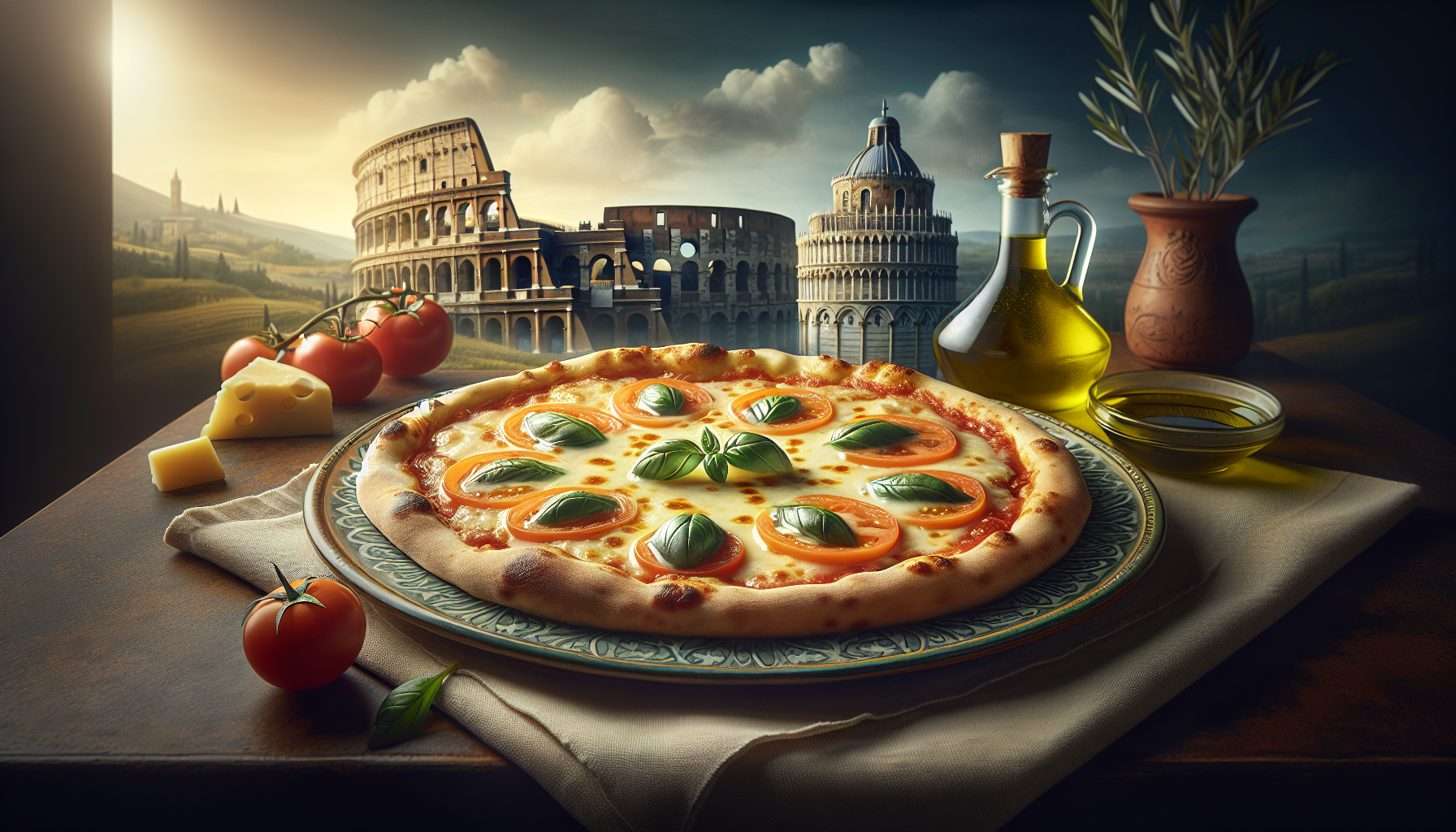
Neapolitan Pizza: Known for its soft, thin crust and simple toppings, genuine Neapolitan pizza adheres to strict regulations. The dough must be made from Caputo flour, water, salt, and yeast. It’s hand-kneaded and allowed to rise for at least 24 hours. Topped with San Marzano tomatoes and fresh mozzarella, this pizza is baked at an astonishing 800 degrees Fahrenheit for just 60-90 seconds. The result is a slightly charred crust with a chewy texture and a rich, flavorful base.
-
Roman Pizza: In contrast, Roman pizza has a thicker and crispier base. Two popular types are pizza al taglio (pizza by the slice) and pizza tonda (round pizza). The dough is stretched thinner and allowed to rise for a shorter time. Toppings range from fresh vegetables to cured meats, showcasing a creativity that reflects the diverse Italian palate.
The Dough: The Heart of the Pizza
A well-crafted pizza starts with the dough. The secret to authentic Italian pizza lies in the ingredients and the method of preparation.
-
Flour Type: Italian pizza dough is traditionally made from “00” flour, which has a high protein content and a fine texture. This flour helps create a light, airy crust that can stand up to the toppings without becoming soggy.
-
Water Quality: Water is another crucial ingredient. Traditionally, filtered water or spring water is preferred. The mineral content of the water can affect the fermentation process and flavor development.
-
Yeast and Fermentation: Authentic pizza dough uses fresh yeast or a natural starter. The fermentation process can last anywhere from 24 to 72 hours, allowing the dough to develop complex flavors. Cold fermentation in the refrigerator is a popular method that contributes to a sourdough taste.
-
Kneading Techniques: Kneading dough by hand is standard in traditional pizzerias. This gentle method ensures the gluten develops without overstressing the dough, leading to an elastic texture.
-
Resting Period: Once kneaded, the dough needs ample resting time. Cover it with a damp cloth and let it sit until it doubles in size. This resting period is crucial for a fluffy crust.
Toppings: Keeping it Simple
In Italy, the mantra for pizza toppings is “less is more.” Authentic Italian pizzas typically feature just a handful of high-quality ingredients.
-
Tomato Sauce: A classic pizza marinara uses crushed San Marzano tomatoes, which provide a sweet and tangy base. The sauce should be seasoned lightly with salt and sometimes a sprinkle of oregano.
-
Cheese: Mozzarella di Bufala, made from water buffalo milk, is the gold standard for Neapolitan pizza. It provides unrivaled creaminess and flavor. For Roman pizza, fior di latte (cow’s milk mozzarella) is often used. The cheese should be added sparingly, allowing the dough and sauce to shine.
-
Fresh Herbs: Fresh basil leaves add an aromatic freshness. Many Italians prefer adding them post-baking to maintain their vibrant flavor.
-
Olive Oil: Drizzling a good quality extra virgin olive oil over the pizza just before serving enhances the flavors and adds a touch of richness.
-
Additional Toppings: While traditional pizzas limit additional toppings, popular choices include thinly sliced prosciutto, arugula, or roasted peppers. However, the emphasis remains on high-quality ingredients.
The Importance of Baking
The baking method can make or break your pizza. Authentic Italian pizzas are generally cooked in wood-fired ovens that reach temperatures of 800°F to 900°F. The intense heat cooks the pizza quickly, creating a unique char and smoky flavor.
-
Wood-Fired Ovens: These ovens provide a radiant heat that produces a crispy bottom while maintaining a softer top. The wood adds a distinct flavor, which is integral to authentic Italian pizza.
-
Stone-Baking: If a wood-fired oven isn’t accessible, a pizza stone in a conventional oven can achieve a similar effect. Preheat your stone for at least an hour to ensure the crust gets the needed heat and texture.
-
Baking Times: Neapolitan pizzas typically require a mere 60 to 90 seconds, while Roman pizzas might need 5 to 10 minutes depending on thickness. Keep an eye on them—baking is an art that requires attention.
The Culture of Italian Pizza
Pizza is more than just food in Italy; it’s a communal experience, often served in pizzerias where families and friends gather. In Naples, pizzerias are cherished institutions, and pizza makers (pizzaiolos) are highly respected artisans.
advertisement

-
Pizzerias: Many pizzerias have a strict adherence to tradition. For instance, places like Antica Pizzeria da Michele and Pizzeria Sorbillo have been serving pizza for over a century, maintaining their original recipes and methods.
-
Eating Etiquette: Interestingly, in Italy, pizza is predominantly eaten with a knife and fork, not by hand as often seen in other countries. This tradition reinforces the idea of pizza as a sit-down meal and a work of culinary art.
-
Seasonal Variations: Just as Italian cuisine emphasizes seasonal ingredients, so too do pizzerias adapt their menus. For example, summer pizzas might feature fresh tomatoes and basil, while winter offerings might highlight hearty toppings like artichokes and mushrooms.
Exploring Italian Pizza Around the World
As the popularity of Italian pizza has spread globally, various countries have put their own local spins on the classic dish.
-
United States: American pizza ranges from New York’s thin crust to Chicago’s deep dish, with toppings reflecting regional preferences. While these variations strayed from authentic recipes, many restaurants strive to replicate traditional Italian techniques.
-
Australia: Aussie pizza includes toppings like barbecue sauce, pineapple, and seafood, revealing local tastes. However, several establishments offer authentic versions that pay homage to Neapolitan roots.
-
Japan: In Japan, pizza has been adapted with unique toppings such as teriyaki chicken and mayonnaise, yet traditional Italian pizzerias flourish, serving pizzas crafted with local ingredients while respecting Italian methods.
Conclusion
Understanding the nuances of authentic Italian pizza involves an appreciation of the ingredients, craftsmanship, and culture behind it. With its emphasis on quality and simplicity, it remains an enduring emblem of Italian heritage. Whether indulging in a classic Neapolitan or a Roman-style slice, the true secret lies in respecting tradition, quality, and, most importantly, the joy of sharing it with loved ones. Whether you’re in Italy or your home kitchen, the principles of authenticity bring the delightful taste of Italy directly to your table.
advertisement