Understanding Energy Balance
The science of weight loss revolves primarily around the concept of energy balance, which is the relationship between the number of calories consumed through dietary intake and the number of calories expended through physical activity and metabolic processes.
Caloric Intake and Expenditure
To achieve weight loss, one must create a caloric deficit, meaning that the calories burned must exceed the calories consumed. This can be achieved in two ways:
- Reducing Caloric Intake: This involves consuming fewer calories than your body needs. Foods high in fiber and protein can help you feel full with fewer calories.
- Increasing Caloric Expenditure: This can be accomplished through increased physical activity, including exercise and daily activities that stimulate caloric burn.
Metabolism and Its Role in Weight Loss
Metabolism encompasses all the biochemical processes in the body that convert food into energy. It can broadly be divided into two categories:
-
Basal Metabolic Rate (BMR): This is the number of calories your body needs to maintain basic physiological functions while at rest. Factors influencing BMR include age, gender, muscle mass, and hormonal levels.
-
Total Daily Energy Expenditure (TDEE): This is the total number of calories burned in a day, which includes BMR, physical activity, and the thermic effect of food (TEF) — the energy required to digest, absorb, and metabolize nutrients.
The Role of Macronutrients
Understanding macronutrients is crucial for effective weight loss. The three primary macronutrients are carbohydrates, proteins, and fats, and they each have different effects on the body.
-
Carbohydrates: Provide a quick energy source. Dietary fiber, a type of carbohydrate, is essential for digestive health and can enhance satiety.
-
Proteins: Essential for muscle repair and growth, proteins are metabolically more active than carbohydrates and fats and thus burn more calories during digestion. High-protein diets can reduce appetite and increase feelings of fullness, leading to lower overall caloric intake.
-
Fats: While high in calories, healthy fats (like those from avocados, nuts, and olive oil) are vital for hormone production and brain health. They can also help with satiety, which may prevent overeating.
Hormones and Weight Regulation
Several hormones play a crucial role in regulating appetite and fat storage:
advertisement

-
Insulin: Produced in the pancreas, insulin facilitates the uptake of glucose into cells for energy. High insulin levels can promote fat storage and inhibit fat breakdown, making it a critical player in weight management.
-
Leptin: Often referred to as the “satiety hormone,” leptin is produced by fat cells and signals to the brain when the body has enough energy stored. When fat stores decline, leptin levels drop, increasing appetite and reducing energy expenditure.
-
Ghrelin: Known as the “hunger hormone,” ghrelin is produced in the stomach and signals hunger to the brain. Increased levels of ghrelin can lead to increased appetite and food intake.
-
Cortisol: The stress hormone, cortisol can lead to weight gain, particularly in the abdominal area, when present in excessive amounts. It affects appetite and cravings, often leading to an increase in calorie consumption during stressful times.
Behavioral Factors in Weight Loss
To effectively lose weight, addressing behavioral and lifestyle factors is essential. Here are some key elements:
-
Mindful Eating: Paying attention to what, when, and why you eat can help you make healthier choices and avoid overeating. Mindfulness practices, such as eating slowly and savoring each bite, can enhance satisfaction and reduce food consumption.
-
Sleep: Insufficient sleep is linked to weight gain and obesity. Lack of sleep can increase levels of ghrelin and decrease levels of leptin, leading to increased hunger and appetite. Compromised sleep can also affect insulin sensitivity.
-
Stress Management: Chronic stress can affect hormones and cravings, often leading to unhealthy eating behaviors. Techniques such as meditation, yoga, and exercise can help reduce stress and improve overall wellbeing.
The Importance of Physical Activity
Regular physical activity is fundamental for creating a caloric deficit and supporting weight loss. Different forms of exercise serve different purposes:
-
Aerobic Exercise: Activities like running, cycling, and swimming boost cardiovascular health and facilitate significant calorie burning.
-
Strength Training: Building muscle increases BMR, as muscle tissue burns more calories than fat. Strength training helps combat the decrease in metabolic rate that often occurs with weight loss.
-
Non-Exercise Activity Thermogenesis (NEAT): This includes all the spontaneous physical activities outside structured exercise, such as fidgeting, walking, and even standing. NEAT can significantly contribute to total caloric expenditure.
The Role of Genetics
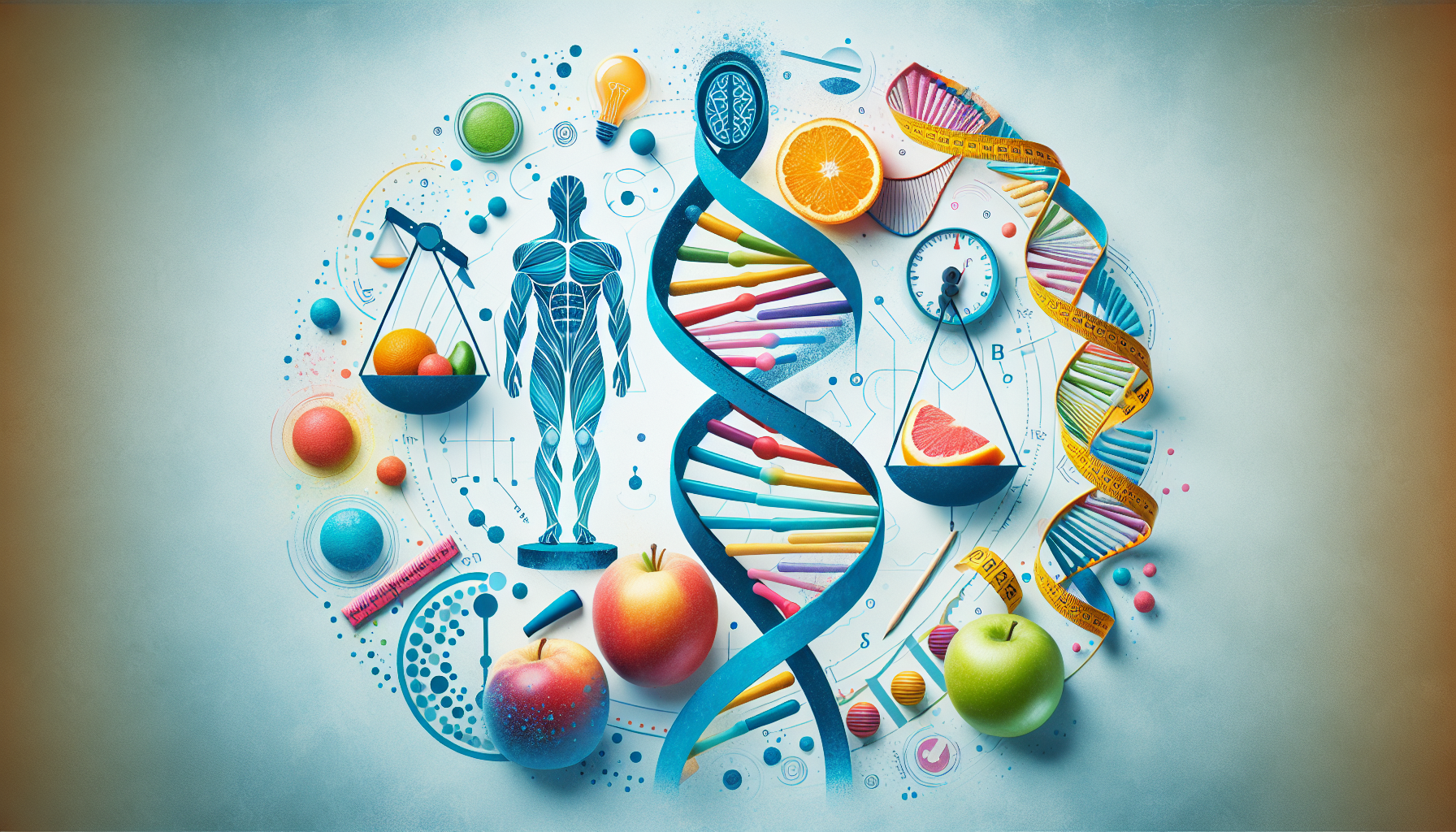
Genetic factors significantly influence weight loss and how individuals respond to diet and exercise. Research indicates that genetic predispositions can affect:
-
Appetite Regulation: Some individuals may have a genetic tendency to feel hungrier than others.
-
Fat Storage and Distribution: Genetics play a role in where and how fat is stored in the body, impacting both health and aesthetic outcomes.
-
Metabolic Rate: Genetic variations can result in differing metabolic rates, affecting how many calories one burns at rest.
Sustainable Weight Loss Strategies
Effective weight loss involves making sustainable lifestyle changes rather than adhering to restrictive diets. Here are strategies for long-term success:
-
Set Realistic Goals: Aim for gradual weight loss (1-2 pounds per week) rather than extreme restrictions.
-
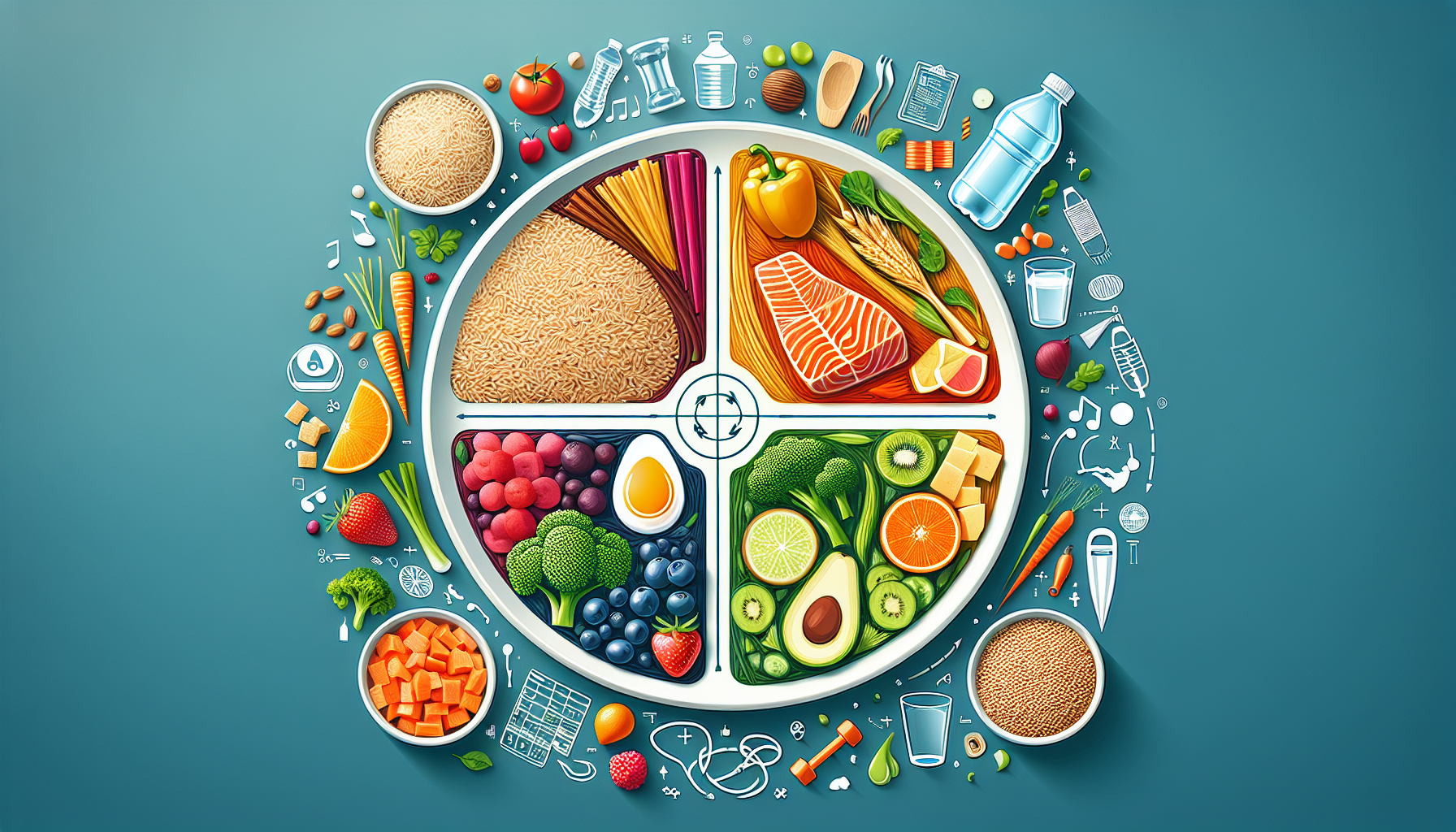
Create a Balanced Diet: Focus on whole, nutrient-dense foods, including ample fruits, vegetables, lean proteins, whole grains, and healthy fats, while allowing for occasional treats to prevent feelings of deprivation.
-
Track Progress: Keeping a food diary or using apps to log food intake and physical activity can help maintain accountability and monitor progress.
-
Seek Support: Joining support groups or working with a registered dietitian can provide motivation and guidance.
Common Myths About Weight Loss
Several myths may impede effective weight loss efforts. It is essential to debunk them:
-
Myth: Carbohydrates are the enemy. Truth: Carbohydrates are an essential energy source. Focusing on the quality of carbohydrates (whole grains, fruits, vegetables) is key.
-
Myth: Skipping meals is an effective strategy. Truth: Skipping meals can lead to increased hunger and overeating later.
-
Myth: All calories are created equal. Truth: The source of calories matters; different foods have varying impacts on satiety, hormones, and metabolic processes.
Conclusion of Key Points
Understanding the complex mechanisms behind weight loss can empower individuals to make informed and effective choices. By recognizing the roles of energy balance, metabolism, macronutrients, hormones, and behavior, one can create a holistic approach to weight management that is both effective and sustainable over the long term.
advertisement