The Shift from Traditional to Digital
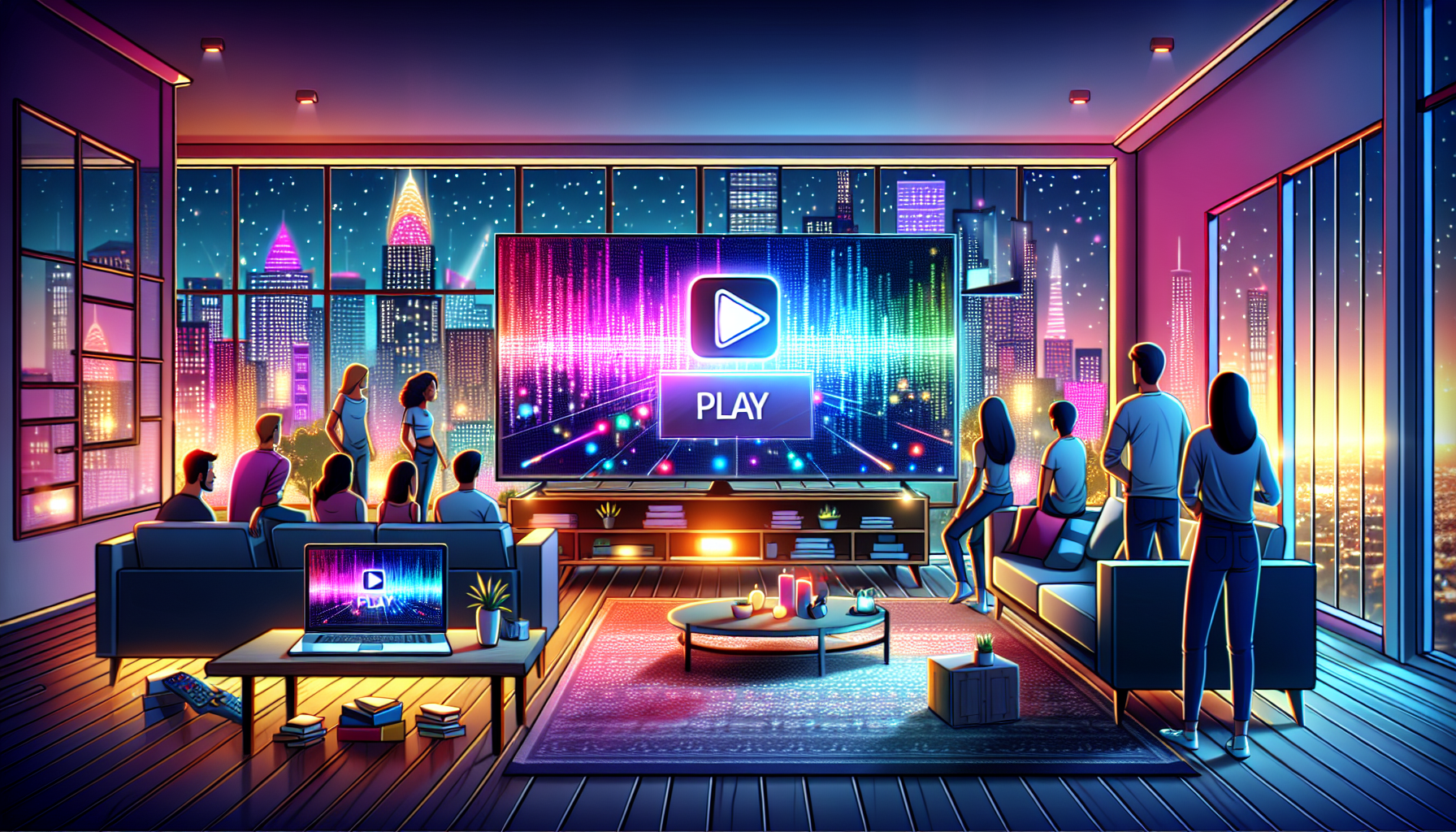
The transition from traditional media to streaming platforms marks a pivotal shift in the way audiences consume content. Historically, families gathered around televisions at scheduled times to watch their favorite shows. With the advent of cable and satellite television, viewing options expanded, but audiences still relied on predetermined airtimes. The emergence of the Internet and broadband technology revolutionized this model, fostering the rise of Video-on-Demand (VOD) services that allow users to stream content anywhere, anytime, ushering in personalized viewing experiences.
The Emergence of Streaming Services
The first major player in the streaming arena was Netflix, initially launched in 1997 as a DVD rental service. The company made a significant pivot in 2007 by introducing subscription-based streaming, allowing users to bypass traditional rental models. This move set the stage for a compounding impact on the entertainment landscape. Following Netflix’s lead, platforms like Hulu, Amazon Prime Video, Disney+, and later HBO Max and Apple TV+ emerged, each providing unique catalogues and user experiences.
This shift empowered consumers with more choice than ever before, eroding the monopolistic control previously held by cable networks and movie studios. The rise of streaming services resulted in a democratization of content creation, leading to a surge in independent films and series produced outside the constraints of traditional studios.
Content Variety and Accessibility
Streaming platforms have expanded viewing choices exponentially. While traditional television often adhered to specific genres and demographic expectations, streaming services curate diverse libraries that cater to global tastes. They produce original content that stimulates creativity and experimentation, resulting in unique series and films that might not align with conventional programming sensibilities.
For instance, Netflix’s “Stranger Things” embodies a blend of nostalgia, horror, and science fiction, appealing not just to millennials but to diverse age groups. Similarly, Amazon Prime’s “The Marvelous Mrs. Maisel” showcases sophistication and character depth, reflecting cultural nuances that attract viewers across demographical barriers. This variety guarantees that niche audiences also find representation, thus further diversifying cultural narratives.
advertisement

Accessibility is another significant factor shaping the success of streaming platforms. Consumers can watch content on various devices, including smartphones, tablets, and smart TVs. Offline viewing options provide further convenience, allowing viewers to enjoy their favorite shows even without a reliable internet connection. This level of accessibility has transformed viewing habits, making binge-watching a cultural norm, breaking down geographical barriers in the process.
Impact on Original Content Creation
The “Golden Age of Television” witnessed the rise of original content produced by streaming platforms. Companies like Netflix have heavily invested billions in unique series and films, shifting the focus away from licensing third-party content. This leads to new opportunities for writers, actors, and creators who may not have been able to find a platform in traditional media. The success of original programming emphasizes high-quality storytelling, challenging and often surpassing traditional networks.
With platforms investing in original content, they cultivate a unique brand and identity, often leading to blockbuster hits and award-winning series. For example, Netflix’s “The Crown” received critical acclaim and won numerous awards, establishing itself as a benchmark for quality in original streaming content.
The Role of Algorithms and Personalization
Algorithms are at the heart of streaming services, analyzing user behavior to recommend content tailored to individual tastes. This personalization not only enhances the viewer experience but also encourages longer engagement periods. Instead of passively consuming whatever is airing, viewers are drawing on a vast catalog, handpicked through sophisticated data analytics. Platforms like Netflix employ recommendation systems that account for user ratings, watch time, and viewing history, effectively creating a custom viewing portfolio for every user.
However, the heavy reliance on algorithms raises questions about content discovery. While personalized recommendations enhance engagement, they may also limit viewers’ exploration of diverse genres or themes. The “filter bubble” phenomenon can inadvertently restrict audiences, making it harder for innovative content to gain traction if it doesn’t align with the viewer’s previous choices.
The Democratization of Content Distribution
The rise of streaming services has significantly changed barriers for content creators, enabling more voices and perspectives to gain visibility. Independent filmmakers and creators can now distribute their works without the backing of major studios, making it possible for unconventional ideas to reach a global audience. Platforms like YouTube and Vimeo serve as important arenas for showcasing groundbreaking content, enabling creators to monetize their passions directly.
Conversely, traditional media had established austere requirements for quality and visibility, often aligning only with commercial considerations. As a result, streaming services have seen a burgeoning of Original Documentaries, Indie Films, and international content, highlighting cultural dialogues across different societies. Viewers can discover everything from Japanese anime to Indian dramas, achieving an unprecedented appreciation for global stories that resonate on personal and cultural levels.
Subscription Model and Changes in Revenue Structure
The subscription-based model signifies a considerable shift in revenue generation for media. Users pay a monthly fee, thereby providing the streaming service with a steady revenue stream. This economic model leads to profitability, enhancing the platforms’ ability to invest further in content production without relying extensively on advertising—an aspect that often constrained traditional broadcasters.
In contrast, traditional media has predominantly relied on ad revenues, leading to limited creative freedoms as they strive to attract advertisers. The subscription model has empowered streaming services to prioritize quality over quantity, enabling them to produce diverse content that may not appeal to advertisers.
However, the landscape is not without its challenges. As competition grows, many platforms are contemplating ad-supported tiers, allowing free content to coexist alongside premium offerings. The emergence of a hybrid model may represent the future of streaming, catering to diverse audience preferences while ensuring continued revenue streams.
The Globalization of Entertainment
Streaming services have also paved the way for the global diffusion of culture and storytelling. Shows and films from various international markets have gained traction like never before. For instance, the Spanish series “Money Heist” and South Korean drama “Squid Game” capture wide global audiences, becoming cultural phenomena across the world.
This globalization has led to a cultural exchange that facilitates greater understanding and appreciation of international narratives. Streaming services have begun investing heavily in global productions, recognizing the financial viability of diverse storytelling. Netflix has invested in a myriad of international projects, aiming to diversify its content portfolio while attracting audiences worldwide.
The Future of Streaming
As technology and content consumption evolve, the streaming landscape will remain dynamic. Innovations like 5G technology promise faster download speeds and improved quality, enhancing how viewers experience content. This will likely lead to higher expectations for visual and audio quality among consumers, pushing platforms to invest in advanced technologies.
In addition, Artificial Intelligence (AI) may reshape content creation and user interaction. Enhanced AI-driven tools could streamline production processes, automate certain tasks, and foster virtual collaboration among global teams. Furthermore, Enhanced user interfaces and interactive content could lead to more immersive viewer experiences, paving the way for a new genre of entertainment.
Challenges and Concerns
Despite the overwhelming advantages, the rise of streaming platforms is not devoid of challenges. Issues like content saturation can overwhelm viewers. With an ever-growing library of choices, audiences may experience “decision fatigue,” leading to prolonged browsing and less actual viewing. On the business side, the balance between engaging existing customers and acquiring new subscribers without overwhelming costs remains delicate.
Additionally, intellectual property and licensing issues persist, as many streaming platforms battle over existing content rights. Viewers encounter fragmented experiences as content becomes exclusive to specific platforms, leading to additional subscription costs. This model risks alienating consumers who may not wish to subscribe to multiple services to access desired content.
Conclusion
The transformative impact of digital streaming platforms has encapsulated an era marked by unprecedented accessibility, diversity, and innovation in entertainment. As the media landscape continues to evolve, consumer preferences and technological advancements will further shape this dynamic domain. Facilitating collaboration between traditional and digital media could pave the way for a more integrated approach to storytelling, redefining how we consume and engage with entertainment in the future.
advertisement