The Evolution of PC Gaming
PC gaming has undergone a significant transformation over the past two decades, evolving from a niche hobby into a dominant force in the entertainment industry. Key factors in its rise include advancements in technology, the proliferation of the internet, and a flourishing gaming community. Understanding these elements is vital to grasping how PC gaming has achieved its modern prominence.
Technological Advancements
The evolution of hardware has played a pivotal role in the growth of PC gaming. In the early 2000s, graphics cards were essential for any gaming setup. NVIDIA and AMD pushed the boundaries of what was possible, introducing GPUs capable of rendering realistic graphics. With technologies such as real-time ray tracing and deep learning super sampling (DLSS), modern graphics cards offer breathtaking visuals that blur the line between reality and gaming.
Alongside advancements in graphics, the development of CPUs has also been crucial. Multi-core processors have allowed for more complex game mechanics and enhanced AI, creating richer gaming experiences. Coupled with increased RAM and faster SSDs, loading times shortened considerably, fostering smoother gameplay and improved player immersion.
Rise of Online Gaming
The internet has played a transformative role in the rise of PC gaming. With the advent of high-speed broadband in the early 2000s, gamers could easily connect to multiplayer servers, leading to the explosion of online gaming. Titles like World of Warcraft dominated the MMORPG genre, building massive communities and setting new standards for player engagement.
The introduction of digital distribution platforms, such as Steam, further revolutionized how games are purchased and played. Gamers are no longer bound by physical copies; instead, they can access a vast library of games directly from their desktops. Frequent sales, user reviews, and community features have created a rich ecosystem that benefits both players and developers.
advertisement

Game Diversity and Indie Explosion
One of the most significant aspects of modern PC gaming is the diversity of available titles. From AAA blockbusters to independent games, the variety ensures that there is something for every type of gamer. The indie game scene, in particular, has thrived due to the accessibility of development tools and platforms for distribution. Games like Hollow Knight, Celeste, and Undertale showcase that high-quality experiences don’t always come from major studios.
Additionally, genres have expanded dramatically. Traditional first-person shooters and real-time strategy games now share space with battle royales, survival games, and narrative-driven experiences. As a result, each year sees an influx of innovative gameplay mechanics that capture the imaginations of players worldwide.
Changes in Gaming Culture
The culture surrounding PC gaming has dramatically shifted in recent years. Once considered a solitary pastime, gaming has evolved into a social activity with global communities. Platforms like Discord have enabled gamers to communicate with friends and teammates seamlessly, fostering a sense of camaraderie and teamwork.
Moreover, the rise of esports has cemented gaming’s status as a legitimate form of entertainment. Competitive gaming attracts millions of viewers, with tournaments offering substantial cash prizes and sponsorships akin to traditional sports. Games such as League of Legends and Dota 2 have created global phenomena, drawing in diverse audiences who enjoy watching skilled players compete at the highest level.
Streaming platforms like Twitch and YouTube Gaming have further propelled this trend. Content creators share their expertise, entertain audiences, and form intimate connections with fans. This interactivity has reshaped how people perceive gaming, transforming it into a form of art and communication that resonates with broader audiences.
Gaming Hardware Ecosystem
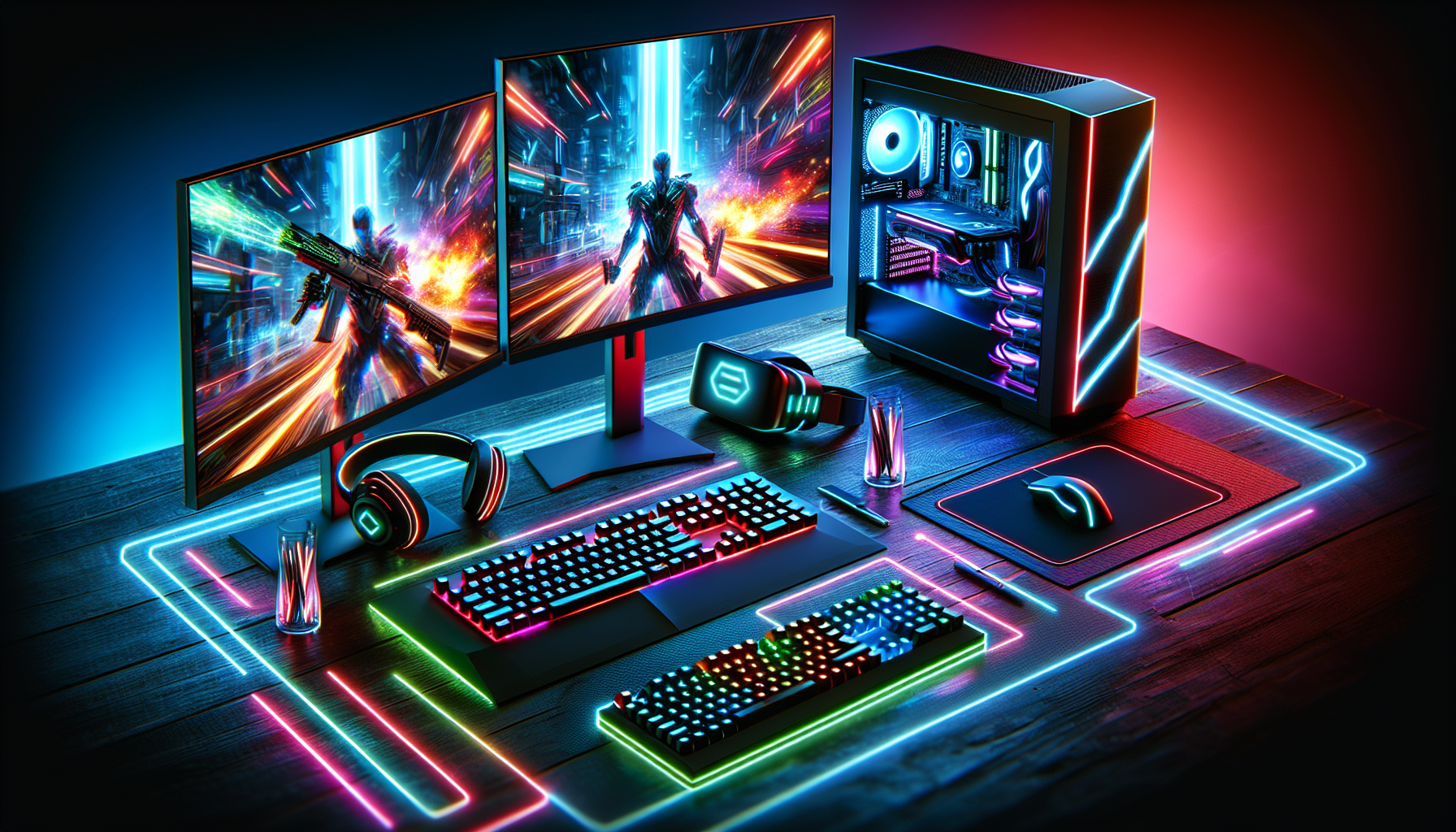
The hardware necessary for a competitive gaming experience has become more specialized, with gamers investing in custom-built PCs. High-performance components are celebrated amongst enthusiasts, fostering a culture that emphasizes creativity and technical prowess. Customization has become a trend, with gamers building machines tailored to specific tastes, power needs, and aesthetics.
Peripherals have also gained attention, from high-refresh-rate monitors to mechanical keyboards and gaming mice. These tools are not merely functional; they offer distinct advantages that influence gameplay. Gamers now prioritize equipment designed specifically for PC gaming, resulting in an ongoing evolution of comfortable, ergonomic, and high-performance gear.
The Role of Game Engines
Modern graphics engines such as Unreal Engine and Unity have made it easier for developers to create high-quality games quickly. With robust documentation and community support, these engines empower indie developers and large studios alike to produce games that may have previously required vast resources. This democratization of game development has led to an explosion of unique titles and creative gameplay experiences, making the industry more vibrant than ever.
Game engines also facilitate cross-platform compatibility, allowing developers to release titles across various platforms with relative ease. This capability broadens the gaming landscape, enabling gamers to play with friends regardless of their device.
Community Engagement and Modding
PC gaming benefits from a robust culture of community engagement. Many games encourage user-generated content, and modding has become a staple of the PC gaming experience. Titles like Skyrim and Minecraft have thriving modding communities that add new features, maps, and even complete overhauls, significantly enhancing the longevity of games.
Mods can range from simple texture packs to comprehensive gameplay changes, allowing players to customize their experiences. This not only keeps content fresh but also fosters a sense of ownership among players who actively contribute to the community.
Accessibility and Inclusivity
The modern era of PC gaming strives for inclusivity, with developers increasingly prioritizing accessibility in their designs. Features such as customizable controls, colorblind modes, and text-to-speech options have made gaming more accessible for those with disabilities. As awareness of these issues grows, many studios work to ensure that games can be enjoyed by as diverse an audience as possible, breaking through old barriers and societal stigmas.
The Future of PC Gaming
Looking ahead, the future of PC gaming appears bright. Emerging technologies like virtual reality (VR) and augmented reality (AR) are gaining traction, promising to redefine the gaming experience. Companies like Oculus and Valve are leading the charge, continually innovating and refining VR software and hardware.
Cloud gaming is another advancement set to impact PC gaming significantly. With services like NVIDIA GeForce Now and Google Stadia, players can access high-end gaming without powerful hardware, lowering the entry barrier for many. As internet speeds continue to improve, the potential for cloud gaming to dominate the market is undeniable.
Finally, ongoing advancements in artificial intelligence will likely influence game design, from smarter NPCs to adaptive gameplay that evolves based on player choices. The possibilities are endless, and with the gaming community’s passion and creativity, the future landscape of PC gaming will undoubtedly be a fascinating one.
Conclusion
The rise of PC gaming in the modern era is a testament to technology’s power and the enduring passion of the gaming community. This evolution reflects a broad cultural shift, highlighting how gaming has become a primary source of entertainment for millions. Through technological advancements, diverse game offerings, and a robust community culture, PC gaming continues to flourish, shaping the future of entertainment itself.
advertisement