The Rise of Influencer Culture in Celebrity Lives
Understanding Influencer Culture
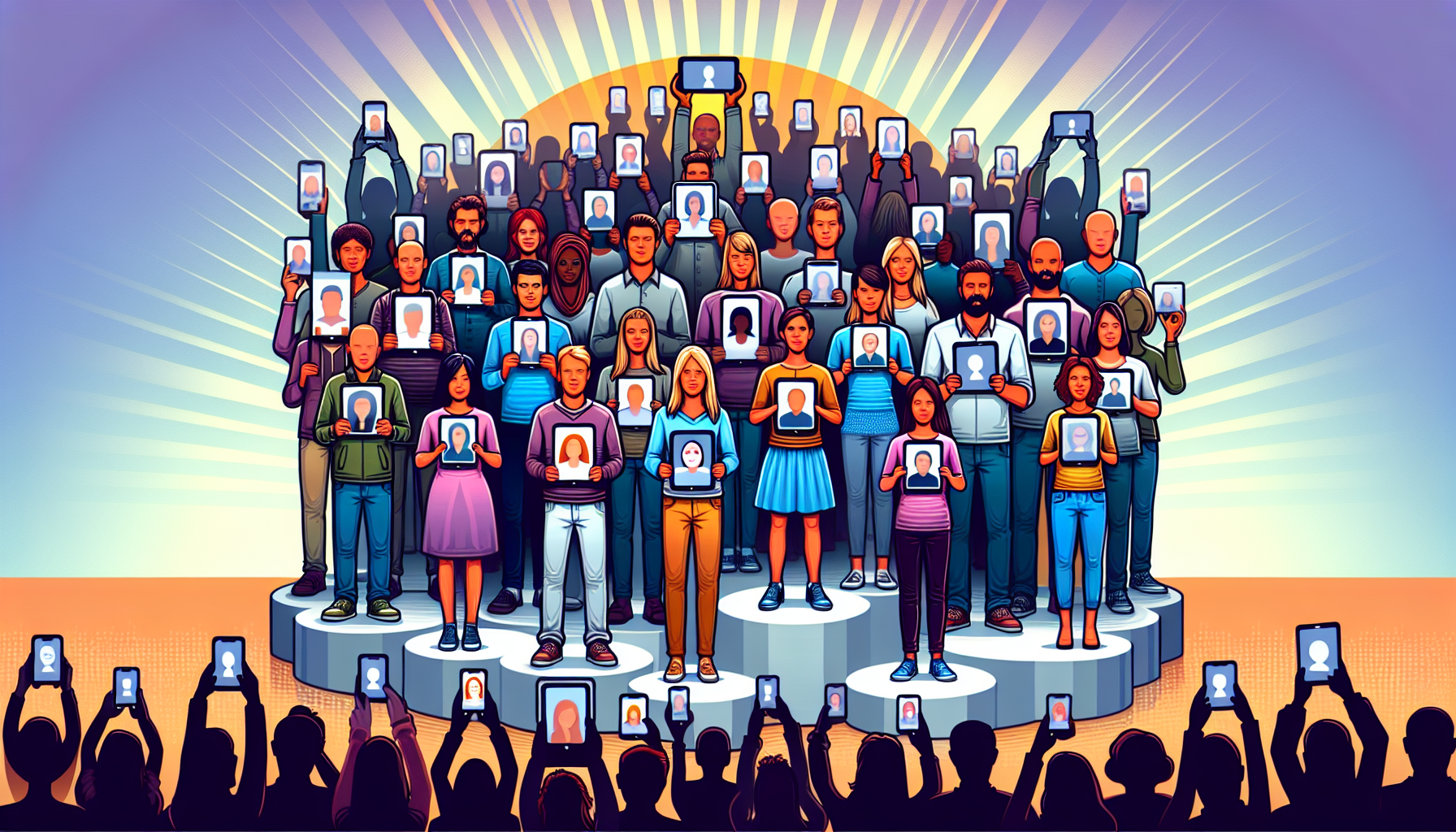
Influencer culture has become a ubiquitous phenomenon of the 21st century, reshaping how we perceive celebrity status and public engagement. Unlike traditional celebrities, who gained fame primarily through films, music, and television, influencers often harness social media platforms to cultivate their personas and communities. With the lines between celebrity and influencer increasingly blurring, it is essential to explore this evolution.
The Evolution of Celebrity
Historically, celebrity was confined to a select few who achieved fame through entertainment industries. Movie stars, musicians, and television icons dominated public consciousness. The advent of the internet altered this exclusive paradigm. Social media platforms like Instagram, TikTok, and YouTube opened the gates for individuals to gain notoriety based on their relatability, expertise, and personal branding.
As a result, micro and macro-influencer categories emerged, allowing anyone with a dedicated following to wield significant cultural influence. This democratization has reshaped public expectations regarding authenticity and connection.
Key Platforms Driving Influencer Culture
Each social media platform plays a unique role in the influencer landscape, shaping how content is created and consumed:
-
Instagram: Initially a photo-sharing app, Instagram has transformed into a robust platform for visual storytelling. Brands heavily invest in influencer partnerships because Instagram’s user base trusts peer recommendations more than traditional advertisements.
-
YouTube: YouTube remains a bastion of influencer culture, with long-form videos providing depth often missing from other social channels. Influencers here can demonstrate products or share personal stories in extensive detail, creating a deeper connection with their audience.
-
TikTok: Rapidly gaining traction, TikTok has popularized short, engaging videos. It caters primarily to Gen Z, and its algorithm allows even lesser-known creators to achieve viral success overnight.
-
Facebook: While often overlooked for influencer marketing, Facebook’s vast user base and groups provide platforms for niche audiences, bridging the gap for community-oriented influencers.
Understanding these platforms helps decode how and why influencer culture has permeated celebrity lives and public consciousness.
advertisement

The Intersection of Influencers and Celebrities
As influencers reshape public discourse, they increasingly blur the distinctions between influencers and traditional celebrities. This has created a symbiotic relationship where both parties benefit:
-
Mutual Promotion: Influencers leverage their follower counts to monetize their brand partnerships, while celebrities utilize influencer traction to remain relevant in a constantly evolving landscape.
-
Authenticity vs. Stardom: Celebrities frequently adopt influencer marketing strategies, hosting Q&A sessions, sharing behind-the-scenes insights, or engaging in casual content, attempting to replicate what resonates with audiences.
-
Diverse Platforms: As celebrities expand their reach to platforms like TikTok or IGTV, they emulate influencers’ styles, using humorous, relatable content to counter their polished public personas.
The Impact on Brand Marketing Strategies
The rise of influencer culture has revolutionized how brands approach marketing. Instead of traditional ads, businesses now focus on collaborations with influencers who embody their target demographics. This shift brings both opportunities and challenges:
-
Targeted Marketing: Brands can engage niche audiences through micro-influencers. The cost-effectiveness and higher engagement rates of such partnerships make them appealing for companies aiming to optimize marketing spends.
-
Authenticity: Modern consumers favor authentic endorsements over scripted advertisements. Collaborating with relatable influencers allows brands to gain consumer trust, enhancing the likelihood of conversions.
-
Content Creation: Influencers often produce organic content that resonates with their audience more effectively than corporate brands. This user-generated content adds an element of relatability, positioning influencers as brand ambassadors.
The Role of Authenticity
Authenticity is the cornerstone of influencer culture. Unlike curated celebrity images, influencers often share their real lives—flaws, failures, and successes alike. This shift leads to profound connections between influencers and their followers. The authenticity attributed to these influencers has far-reaching implications:
-
Engagement: Authentic influencers foster high levels of engagement, resulting in followers who are more likely to respond, comment, or share their content, amplifying its reach.
-
Mental Health: On one hand, influencers can empower their audiences by promoting body positivity and mental wellness; on the other hand, they can inadvertently contribute to unrealistic expectations, leading to feelings of inadequacy.
Challenges and Downsides of Influencer Culture
While the rise of influencer culture has numerous benefits, it also presents various challenges:
-
Sustainability: As new influencers emerge, retaining followers becomes crucial. Many established influencers struggle to adapt to the ever-changing algorithms and trends, leading to fluctuations in influence.
-
Transparency: The need for transparency regarding brand partnerships has become paramount. Influencers are now required to disclose sponsorships to maintain audience trust, with regulatory bodies stepping in to enforce ethical marketing practices.
-
Mental Health Struggles: The pressure to maintain an idealized image and a continuous flow of content can lead to burnout and mental health issues among influencers. This, in turn, affects their authenticity and their audience’s perception.
-
Negative Influence: The platform provides a space for the spread of misinformation or toxic behaviors, which can have real-world implications for the audience, especially younger users.
The Future of Influencer Culture
The trajectory of influencer culture suggests continued evolution. As trends in media consumption change, influencers will likely adapt to maintain engagement:
-
Expansion into Emerging Technologies: With the advent of virtual reality (VR) and augmented reality (AR), influencers may create immersive experiences that deepen engagement and extend reach.
-
Collaboration with Traditional Media: We’ll likely see more crossovers between influencers and traditional celebrities, from collaborative projects to participation in mainstream media ventures, thereby blurring further the lines of celebrity.
-
Global Influence: The concept of the global influencer will continue to rise as more platforms engage international markets, allowing regional influencers to collaborate and access broader audiences.
-
Focus on Social Causes: As societal issues gain prominence, influencers who advocate for meaningful causes will resonate with audiences. Influencers positioning themselves as change-makers could garner increased respect and credibility.
Navigating the Influencer Landscape
For aspiring influencers or brands looking to collaborate with them, several best practices should be considered:
-
Identify Your Niche: Influencers should focus on specific interests or expertise, allowing them to build an engaged community.
-
Foster Genuine Relationships: Transparency in brand partnerships enhances trust and engagement between influencers, their audiences, and collaborating brands.
-
Evaluate Engagement Over Follower Count: Brands should prioritize influencers with higher engagement rates over sheer follower numbers, focusing on those who genuinely connect with their audience.
-
Maintain Authenticity: Influencers must remain true to their authentic selves, avoiding partnerships that conflict with their established image, thus maintaining their credibility.
The Takeaway
Influencer culture continues to redefine celebrity lives and public engagement through its unique blend of authenticity, relatability, and marketing efficiency. As influencers and traditional celebrities evolve together, their collaborative efforts promise to reshape the industry. Understanding these dynamics will be crucial for brands, consumers, and content creators navigating this intricate landscape. This transformation highlights the immense power of the contemporary influencer—a phenomenon that is no longer just part of the entertainment industry but a fundamental aspect of modern life.
advertisement