The Rise of Indie Pop: Shaping the Sound of a Generation
Understanding Indie Pop: Beginnings and Characteristics
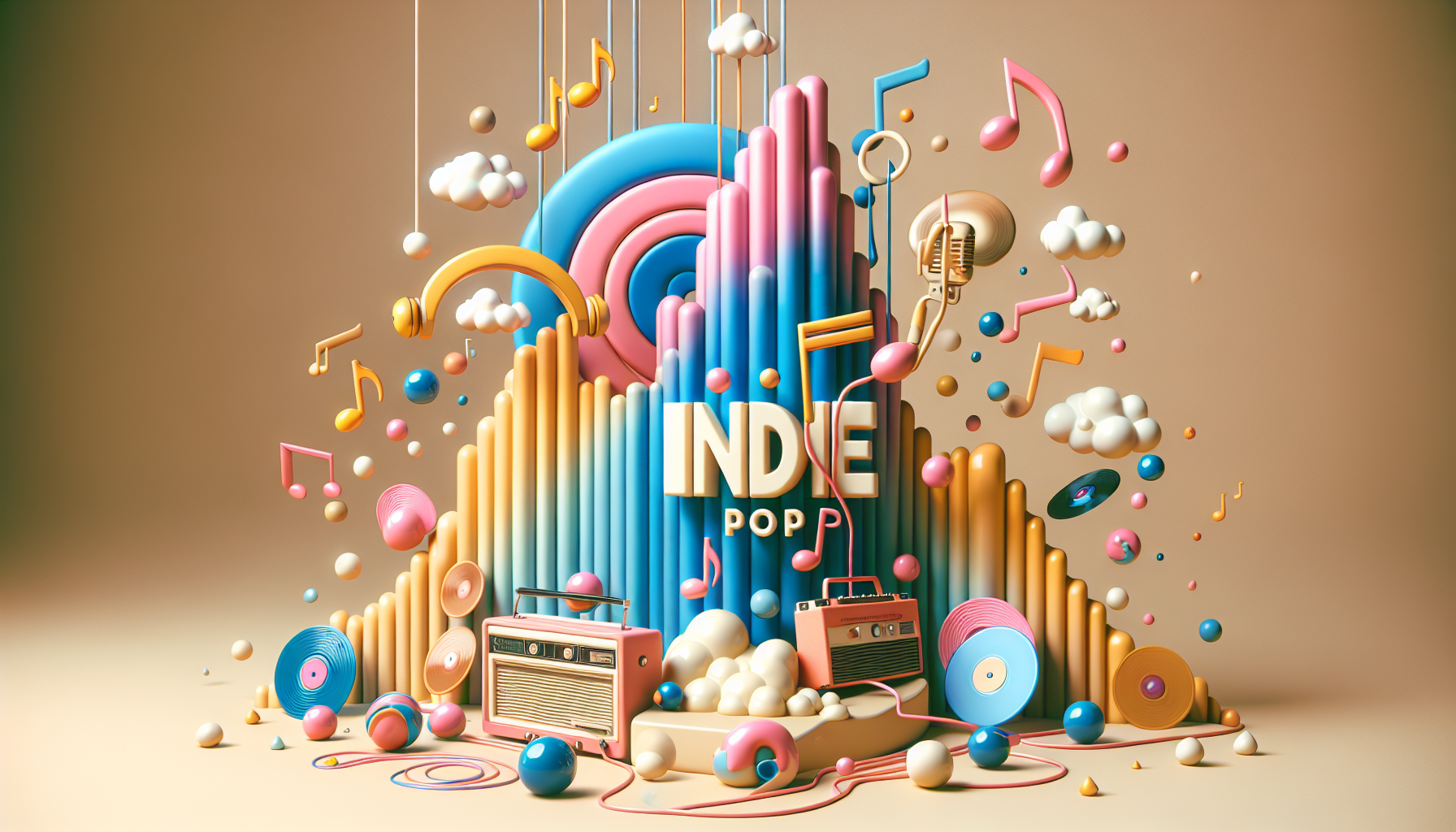
Indie pop, a genre rooted in the independent music movement, emerged in the 1980s as a reaction against the mainstream music industry’s commercialism. Often characterized by its melodic hooks, distinctive lyrical themes, and DIY ethic, indie pop is a vibrant mosaic of sound that reflects a diverse range of influences spanning rock, folk, electronic, and avant-garde genres.
Originally, the term “indie” was synonymous with self-financed and independently produced music. Bands like The Smiths and Belle and Sebastian paved the way with their distinctive sounds, which prioritised authenticity and emotional depth over commercial viability. Their lo-fi production qualities, coupled with catchy melodies and introspective lyrics, carved a niche that would later flourish into a distinct genre—indie pop.
The genre thrives on a spirit of experimentation, often eschewing traditional song structures in favor of creativity. This freedom allows for tapping into various influences, facilitating a rich tapestry of sound. Whether it’s the jangly guitars of 80s college rock or the synth-laden soundscapes of contemporary acts, indie pop continuously evolves while retaining its core ethos of independence and artistic integrity.
The Evolution through the Decades
1980s: The Birth of Indie Pop
The indie pop genre emerged from the post-punk scene of the 1980s. U.K. bands like Orange Juice and Aztec Camera began experimenting with pop structures, melodic hooks, and jangly guitars. Notably, the C86 compilation cassette, released by NME in 1986, is often heralded as a defining moment for indie pop. It featured a variety of bands including The Pastels, Felt, and The Wedding Present, cementing the sound and ethos of the emerging genre.
1990s: The Mainstream Enters
The 1990s witnessed increased visibility for indie pop, thanks in part to the rise of alternative rock. Bands such as The Cardigans and The Cranberries began to bridge the gap between indie aesthetics and mainstream appeal. This era marked a significant commercial breakthrough, with bands getting signed to major labels. The genre began to fragment, with sub-genres like dream pop and twee pop emerging, further diversifying the indie landscape.
advertisement

2000s: A Digital Revolution
With the advent of the internet, indie pop experienced a seismic shift. Platforms like MySpace changed how artists distributed and promoted their music, enabling a new wave of DIY musicians. Bands like Death Cab for Cutie and The Postal Service gained traction by harnessing the power of online communities. This decade also marked the rise of “bloghouse,” as music blogs became a critical space for discovering new music. Indie bands such as Vampire Weekend and Bon Iver redefined the sound of the genre, blending various musical styles and sounds—shaping a fresh generation of listeners.
2010s: Mainstream Recognition
By the 2010s, indie pop was firmly embedded in the mainstream consciousness. Artists like Lana Del Rey, Haim, and Tame Impala showcased the genre’s adaptability and appeal. Major music festivals like Coachella and Lollapalooza began to feature a robust lineup of indie pop acts, further solidifying the genre’s relevance and popularity. The production quality ramped up slightly during this era, with many artists embracing polished sounds while retaining their indie spirit.
Key Artists Who Shaped Indie Pop
1. Belle and Sebastian
Hailing from Scotland, Belle and Sebastian emerged as one of the most influential indie pop bands of the 90s. Their melancholic melodies paired with poetic lyrics created a unique sound that resonated deeply with listeners. Albums like “If You’re Feeling Sinister” are often hailed as masterpieces, showcasing the band’s knack for storytelling.
2. The Postal Service
The brainchild of Death Cab for Cutie’s Ben Gibbard and producer Jimmy Tamborello, The Postal Service created a fusion of electronic and acoustic sound that defined the early 2000s. Their critically acclaimed album, “Give Up,” with its ethereal melodies and introspective lyrics, became a landmark for indie pop music, bridging the gap between electronic and indie rock.
3. Vampire Weekend
Emerging in the late 2000s, Vampire Weekend combined classical music influences with catchy, upbeat melodies. Their self-titled debut album introduced a new sound that drew from afrobeat, classical music, and rock, prompting a fresh discussion about cultural appropriateness in music. Songs like “A-Punk” and “Oxford Comma” became instant classics, symbolizing a more eclectic indie pop approach.
4. Lana Del Rey
Lana Del Rey redefined the indie pop landscape with her cinematic style and haunting voice. Her album “Born to Die” topped charts globally and captivated audiences with its melancholic yet glamorous portrayal of American life. Del Rey’s influence transcended traditional indie pop boundaries, integrating elements of baroque pop and alternative rock while maintaining an indie aesthetic.
5. Tame Impala
Kevin Parker, the mastermind behind Tame Impala, embedded psychedelic influences into the indie pop genre. With intricate soundscapes and introspective lyrics, Tame Impala’s albums like “Currents” showcase a blend of electronic music, rock, and pop. The project has had significant commercial success, broadening the appeal of indie pop to a wider audience.
Major Themes and Aesthetic Influences
Indie pop often embraces themes of nostalgia, love, heartbreak, and social commentary. Lyrically, artists delve deep into personal experiences, resulting in relatable and heartfelt songs that resonate with listeners. The aesthetics connected to indie pop also play a crucial role; often characterized by quirky visuals, artistic album covers, and whimsical music videos, the genre embodies a distinctive visual identity that complements its sound.
The DIY ethos of indie pop artists encourages self-expression and innovation, often leading to artistic collaborations across genres. This spirit of collaboration has birthed projects that mix indie pop with hip-hop, electronic music, and experimental rock, creating a continuous evolution within the genre.
The Future of Indie Pop
As the digital landscape reshapes the music industry, indie pop artists are leading the charge towards a more inclusive future. Platforms like TikTok have transformed how music is consumed and discovered, with viral challenges launching tracks into the mainstream overnight. Many indie artists capitalize on this phenomenon, utilizing social media to connect directly with fans, build communities, and share their work without traditional industry gatekeeping.
The genre continues to diversify, incorporating elements of R&B, hip-hop, and electronic music. Innovation remains a cornerstone as fresh voices emerge, exploring new narratives and sounds that challenge conventional tropes within indie pop. Artists are increasingly addressing pressing social issues, using their platforms to advocate for change and inclusion within their communities.
The Impact of Indie Pop on Culture
Indie pop has not only shaped music but also significantly influenced fashion, art, and media. The genre’s emphasis on authenticity and individuality resonates across various cultural expressions, inspiring movements in fashion that prioritize personal style over trends. Indie pop’s influence can be seen in music festivals where eclectic styles reign supreme, celebrating individuality in fashion choices that reflect the genre’s diverse roots.
Moreover, Indie pop has transcended music, impacting film and television. Many indie films feature soundtracks laden with indie pop tracks, further cementing the connections between film and music. This cross-pollination allows indie pop artists to reach wider audiences, bridging gaps between various art forms and enhancing overall cultural appreciation.
Drawing off its rich history while remaining open to modern innovation and social consciousness, indie pop is set to continue shaping the sound of a generation. As artists pursue their unique visions and explore new sonic landscapes, they enrich the genre, solidifying indie pop’s position as a crucial and influential force in contemporary music.
SEO Consideration and Keywords
When writing this article, it was necessary to weave in relevant SEO keywords that help in optimizing content for search engines. Important keywords for consideration include “indie pop,” “indie pop artists,” “the evolution of indie pop,” and “indie pop history.” By effectively utilizing these keywords, the article aims to reach a wider audience—making it accessible to those searching for insights into indie pop’s significance in music history.
In conclusion, the rise of indie pop has reshaped not just music, but the cultural landscape, leaving an indelible mark on the sound of a generation. By blending musical innovation with authentic self-expression, indie pop continues to evolve and thrive, inviting new listeners to engage with its rich tapestry of sound and emotion.
advertisement