The Rise of Food Delivery Services in the Digital Era
1. Evolution of Food Delivery Services
Food delivery is not a new concept; it has existed in various forms for decades, from pizza delivery in the 1980s to the advent of takeout and fast-food chains. However, the digital era has significantly accelerated the evolution of food delivery services. The rise of smartphones, the internet, and digital payment systems has transformed how consumers order food, driving convenience and choice.
1.1 Historical Context
Historically, food delivery was limited to local restaurants and was not widely accessible. The growth of telephone services allowed for more convenient ordering, setting the stage for the food delivery boom of the late 20th century. Fast forward to the early 21st century, the introduction of online ordering platforms heralded a new age in food delivery.
1.2 Transition to Digital Platforms
The transition to digital platforms started with websites allowing restaurants to post menus and receive orders online. However, the real game-changer was the emergence of mobile applications. Companies like Grubhub, Uber Eats, and DoorDash have harnessed technology not just to facilitate orders but also to create user-friendly interfaces that simplify the ordering process.
2. Factors Fueling the Growth
2.1 Changing Consumer Habits
Today’s consumers lead increasingly busy lifestyles that often leave little time for meal preparation. With more people working long hours and multitasking, convenience has become paramount. Consumers now favor quick solutions that allow them to enjoy restaurant-quality meals in the comfort of their own homes.
2.2 Technological Advancements
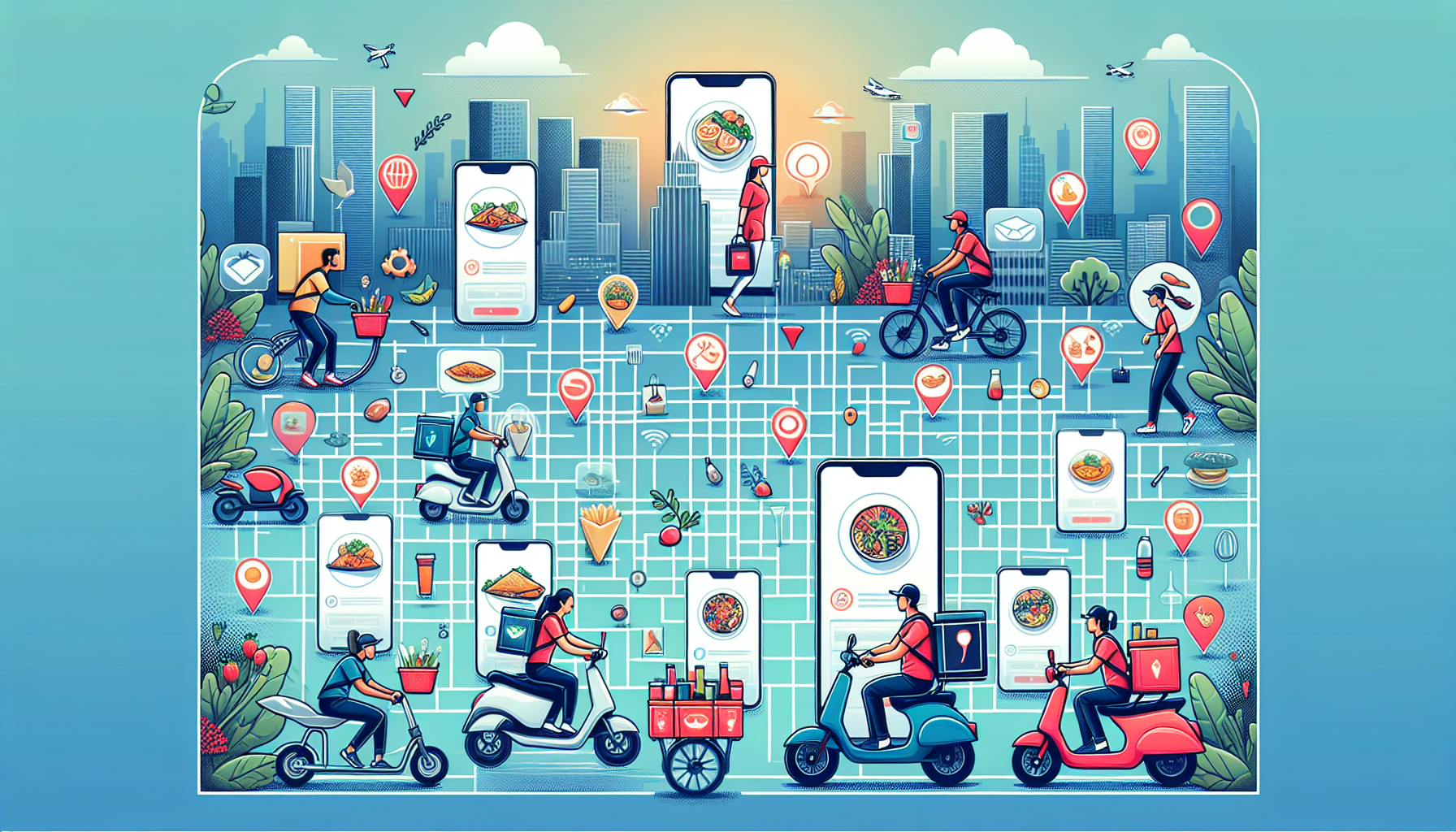
Technological advancements have played a crucial role in the development of food delivery services. GPS tracking, mobile payment systems, and real-time order tracking technology have made the process seamless, augmenting user experience. Chatbots and AI-driven customer service solutions are further enhancing service quality, responding to queries and complaints with speed and efficiency.
advertisement

2.3 The Impact of COVID-19
The COVID-19 pandemic was a significant catalyst for the food delivery industry. Lockdowns and social distancing measures forced many restaurants to pivot to delivery and takeout options to survive. With indoor dining eliminated for a time, consumers turned to food delivery services for their culinary needs, embedding the habit even after restrictions eased.
3. The Landscape of Food Delivery Services
3.1 Major Players
The competitive landscape of food delivery is dominated by several major players, including:
- DoorDash: Known for its wide selection and aggressive marketing strategies.
- Uber Eats: Benefits from Uber’s transportation infrastructure, allowing for quick deliveries.
- Grubhub: One of the pioneers in the industry, known for its user-friendly app and extensive restaurant partnerships.
- Postmates: Offers not just food, but also grocery and alcohol delivery, showcasing versatility.
Each company has carved a niche while competing for market share, leading to a rapidly evolving industry.
3.2 Restaurant Partnerships
Restaurant partnerships have become an essential aspect of food delivery services. Third-party apps provide restaurants with extensive exposure, catering to customers who may not have discovered them otherwise. However, these partnerships can come with challenges, including commission fees and concerns about maintaining food quality during transit.
4. User Experience and Customer Engagement
4.1 Convenient Ordering Process
The key to the success of food delivery services lies in user experience. The ordering process is designed to be as effortless as possible, with features like saved payment information, easy navigation, and personalized recommendations based on previous orders.
4.2 Customer Retention Strategies
Customer retention is increasingly important in a saturated market. Many food delivery services employ strategies such as loyalty programs, discounts, and referral bonuses. Personalized marketing, driven by data analytics, helps engage customers and encourage repeat orders.
4.3 The Role of Reviews and Ratings
In the digital age, customer feedback can make or break a business. Reviews and ratings are integral to the decision-making process when consumers choose what to order. Positive customer feedback enhances a restaurant’s visibility on these platforms, while negative reviews can deter potential customers.
5. Challenges Facing the Industry
5.1 High Competition and Market Saturation
As food delivery services proliferate, they face fierce competition. The market can easily become saturated, making it challenging for newer entrants to gain traction. To stand out, companies must innovate constantly, either through technology or customer service.
5.2 Delivery Costs and Logistics
Managing logistics can be complex and costly, particularly for smaller markets or for those facing severe weather conditions. Companies must navigate challenges related to delivery times, lost orders, and maintaining food quality during delivery, all while keeping costs manageable.
5.3 Regulatory and Legal Hurdles
As delivery services expand, they face increased scrutiny and regulatory challenges. Compliance with local labor laws, health regulations, and the gig economy’s evolving landscape demands careful attention from these businesses.
6. The Future of Food Delivery Services
6.1 Integration of AI and Data Analytics
The incorporation of artificial intelligence and machine learning will likely revolutionize food delivery services. Predictive analytics could optimize delivery routes, reducing wait times and enhancing efficiency. This shift will also allow for more personalized experiences and targeted marketing.
6.2 Sustainability Initiatives
As consumers become more eco-conscious, companies will need to adapt to these changing preferences. Initiatives such as sustainable packaging, carbon-neutral delivery routes, and partnerships with eco-friendly restaurants will be crucial in maintaining a competitive edge.
6.3 Expansion into New Markets
Food delivery services will continue to expand into new markets, both domestically and internationally. As more countries and cities embrace online food ordering, service providers must adjust to different cultural preferences and market needs.
7. Conclusion
The landscape of food delivery services has evolved dramatically in the digital era, driven by technology and shifting consumer preferences. As competition intensifies and new challenges emerge, the industry continues to innovate and adapt, promising exciting developments in the future of food delivery. Through understanding consumer needs, leveraging technology, and embracing sustainability, food delivery services are well-positioned to thrive in this dynamic marketplace.
advertisement