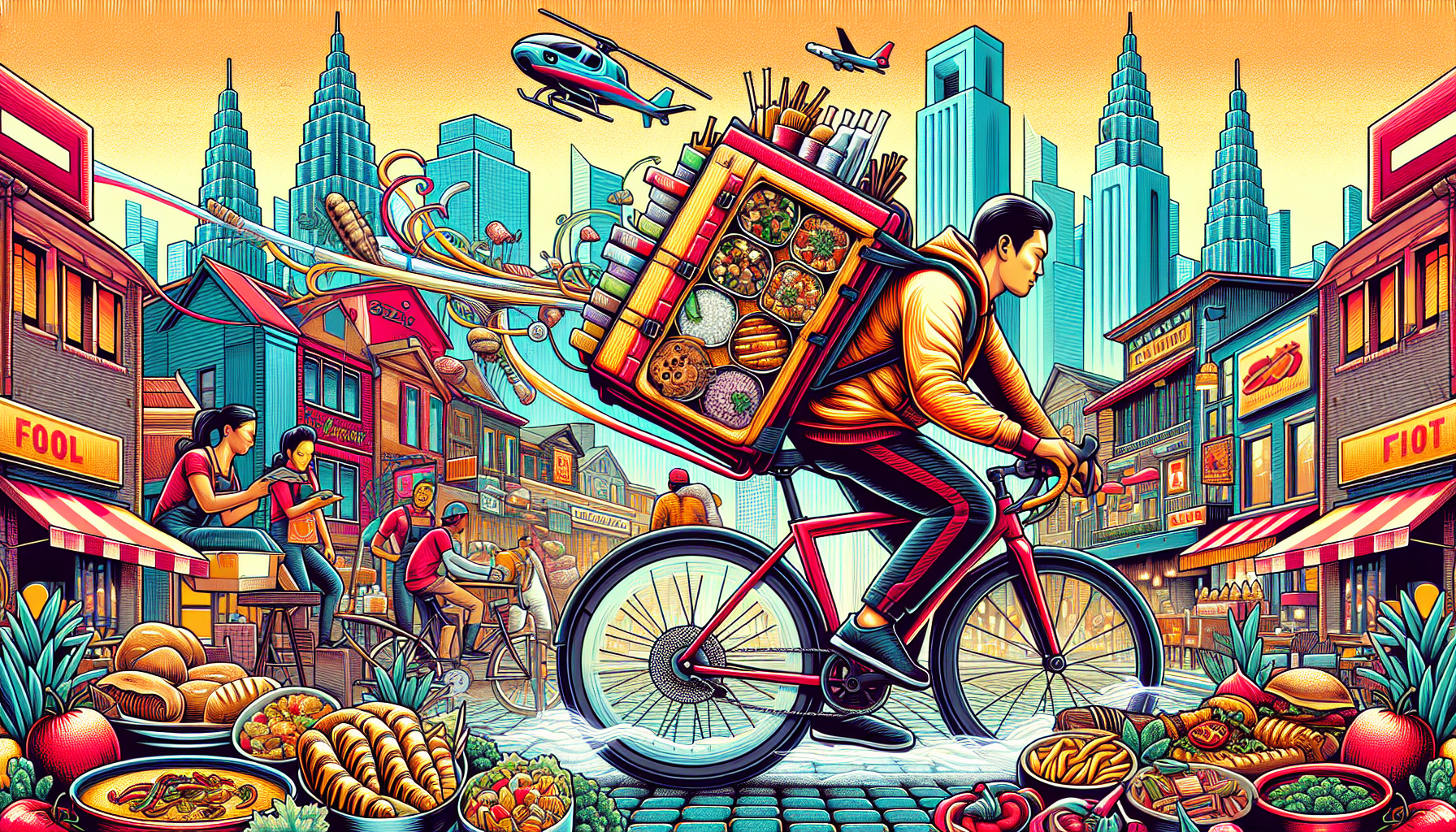
The Emergence of Food Delivery Services
The evolution of food delivery services traces back centuries, but the modern landscape has undergone significant transformation, catalyzed by technology, consumer demand, and sociocultural shifts. Initially, food delivery was limited to local restaurants or grocery services, primarily available in urban settings. However, the last decade has seen the rise of sophisticated, tech-savvy platforms that revolutionize how we access food.
Technological Innovations
Advancements in smartphone technology and GPS tracking have reshaped the food delivery landscape. Mobile applications allow consumers to browse menus, place orders, and track deliveries in real time from the convenience of their smartphones. These innovations enhance user experience with seamless transactions, ensuring that customers can navigate their choices easily.
Moreover, artificial intelligence (AI) and machine learning algorithms play a critical role in personalizing user experiences. AI can analyze customer preferences and order history to suggest dishes, contributing to consumer satisfaction and loyalty. Features like predictive ordering enhance user engagement, encouraging frequent visits to the app.
Changing Consumer Behaviors
The rise of food delivery services reflects shifting consumer behaviors and preferences. Millennials and Gen Z, in particular, seek convenience and instant gratification. Busy lifestyles, driven by work commitments and social engagements, often leave little time for cooking. As a result, food delivery services are seen as an essential solution.
Moreover, the pandemic accelerated this shift, forcing people to rely on delivery services for safety and convenience. Lockdowns and social distancing measures made dining out less accessible, leading to a surge in online food orders. According to reports, the food delivery sector witnessed an increase of over 100% during the peak of the COVID-19 pandemic, highlighting its vital role in modern-day dining.
advertisement

Diverse Offerings and Culinary Variety
Food delivery platforms offer diverse culinary offerings that cater to various tastes and dietary restrictions. From gourmet meals prepared by renowned chefs to affordable fast food options, the variety is unparalleled. Many platforms partner with local eateries, giving consumers access to authentic regional cuisine. This expansion of culinary boundaries welcomes food lovers to explore dishes from across the globe without leaving their homes.
Health-conscious consumers benefit from specialized meal options that cater to various dietary preferences, including vegan, gluten-free, and low-carb meals. Subscription-based meal services also gained popularity, offering users pre-prepared ingredients and recipes, combining convenience with healthy eating.
The Gig Economy and Employment Opportunities
Food delivery services have created a new employment paradigm within the gig economy. Riders or drivers, often classified as independent contractors, have an opportunity to earn flexible income. This model provides essential work for many, especially during economic downturns, making food delivery services a reliable source of employment.
However, the gig economy model presents challenges regarding wages, benefits, and job security. Deliveries often depend on surges or busy periods, leading to inconsistent earnings. As debates continue over workers’ rights, companies may need to adapt their policies to ensure fair compensation and benefits for their delivery personnel.
Environmental Considerations
As the food delivery industry expands, so too does the environmental impact associated with packaging and transportation. Single-use plastics and non-biodegradable materials have drawn public scrutiny, prompting many companies to rethink their packaging strategies.
Several food delivery services are responding by adopting eco-friendly packaging and encouraging restaurants to do the same. This shift not only addresses environmental concerns but also appeals to consumers who prefer sustainable options. Many companies now offer incentives for customers who opt for reusable containers or choose delivery options that minimize environmental impact.
Food Safety and Quality Control
The food safety and quality control aspects of food delivery services are paramount due to increased scrutiny from health officials and consumers. During the pandemic, concerns regarding food handling and thorough hygiene practices heightened awareness about cleanliness in the food industry.
Food delivery services have implemented stringent protocols to ensure food safety, such as contactless delivery options and regular sanitized handling practices. Many platforms are also collaborating with health organizations to establish best practices for food safety, ensuring consumer confidence in the delivery process.
Market Competition and Industry Players
As the food delivery market grows, competition among major players has intensified. Companies like UberEats, DoorDash, and Grubhub have captured substantial market shares, while local businesses also create niche platforms catering to specific communities or cuisines. This competitive environment has resulted in benefits for consumers, such as improved service, lower delivery fees, and promotions.
New startups continue to emerge, introducing innovative concepts such as hyper-local delivery services or exclusive partnerships with high-end restaurants. Collaboration between restaurants and delivery services is evolving, with many establishments modifying their kitchen operations to meet demand without compromising quality.
The Future of Food Delivery
The future of food delivery services looks promising, with trends indicating continued growth and evolution. Advancements in delivery methods, such as drone delivery and autonomous vehicles, are on the horizon. These innovations could streamline logistics, reduce delivery times, and enhance customer experiences.
Furthermore, the integration of blockchain technology for transparency in sourcing and supply chain management might redefine consumer trust in food delivery services. By ensuring traceability of ingredients from farm to table, these platforms can offer more than just convenience, appealing to ethically-minded consumers.
Social Impact and Community Engagement
Food delivery services have the potential for significant social impact, especially in terms of community engagement. Many companies actively employ delivery drivers from diverse backgrounds, fostering inclusivity and providing opportunities to underserved communities.
Additionally, initiatives that support local restaurants—especially during challenging times—demonstrate the industry’s commitment to community welfare. Many food delivery platforms have participated in initiatives to promote local businesses or provide aid to workers impacted by economic disruptions, emphasizing their role in supporting local economies.
Tips for Selecting Food Delivery Services
When choosing a food delivery service, several factors should be considered. Users should examine delivery fees, service areas, and user reviews to gauge reliability. Choosing platforms that support local restaurants enhances community engagement and offers a taste of the unique culinary diversity available.
It is also advisable to assess the service’s approach to food safety and hygiene practices, especially in contexts where health is a priority. Opting for services that prioritize eco-friendly practices can align consumer preferences with sustainability goals, further enhancing the overall dining experience.
Conclusion
The rise of food delivery services represents a culinary revolution characterized by convenience, diversity, and community engagement. As technology continues to evolve, and consumer expectations shift, the food delivery landscape will undoubtedly grow, shaping the future of how we experience food. The fusion of convenience with culinary delight assures that food delivery services will play an integral role in modern dining, catering to the needs and preferences of an increasingly dynamic consumer base.
advertisement