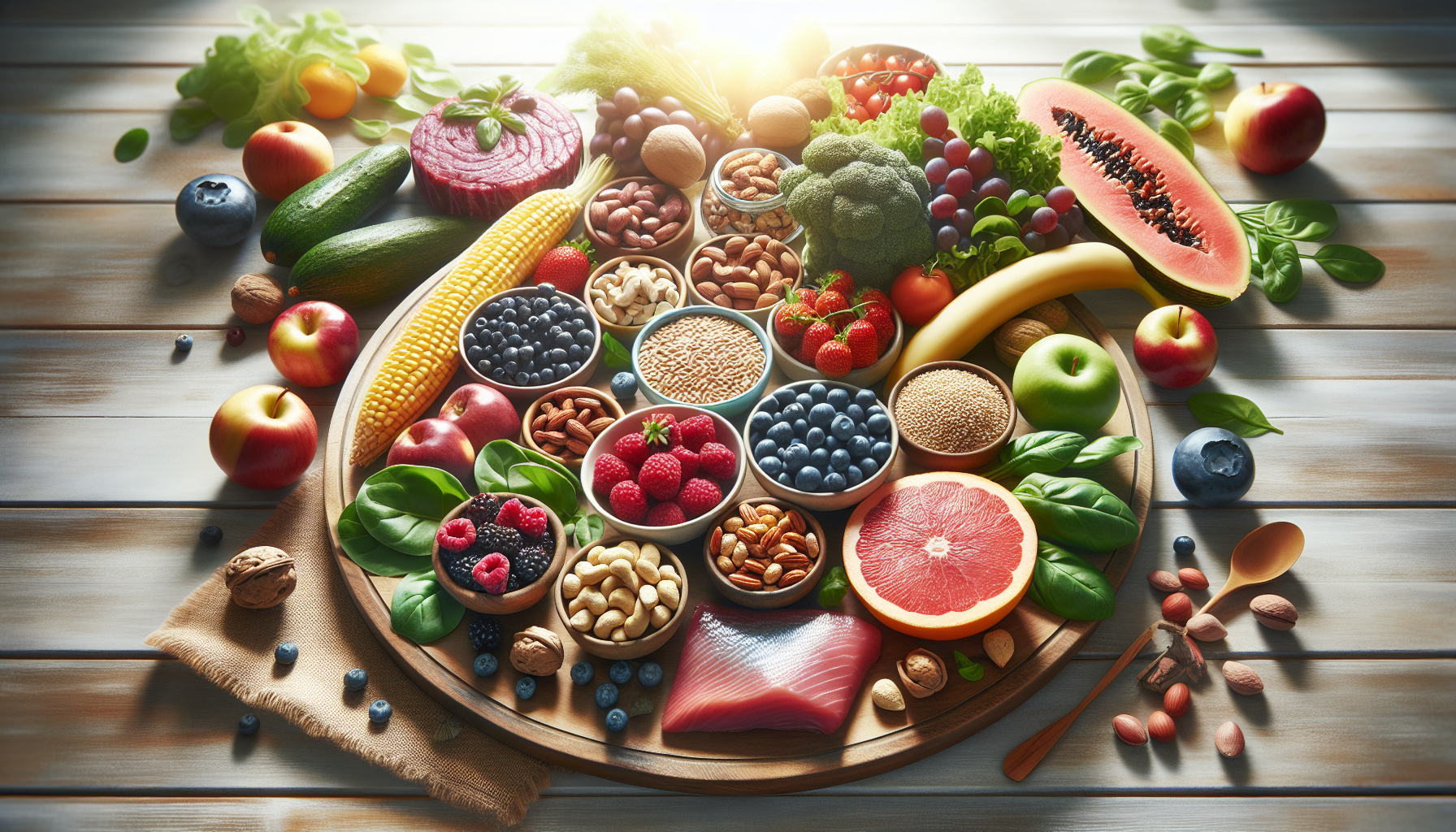
What Are Superfoods?
Superfoods are typically nutrient-rich foods considered to be especially beneficial for health and well-being. They are packed with vitamins, minerals, antioxidants, and other compounds that promote health and prevent chronic diseases. Common examples of superfoods include berries, leafy greens, nuts, seeds, and whole grains, but the list is continually evolving as research uncovers new findings.
Nutrient Density
One of the defining characteristics of superfoods is their nutrient density. Nutrient-dense foods provide more vitamins and minerals per calorie compared to other foods. This makes superfoods an excellent choice for anyone looking to enhance their diet without consuming an excess amount of calories. For example, kale is low in calories but high in vitamins A, C, and K, as well as numerous antioxidants like quercetin and kaempferol, which can reduce inflammation and oxidative stress.
Antioxidants and Their Role
Antioxidants play a central role in the health benefits associated with superfoods. These compounds combat oxidative stress by neutralizing free radicals, unstable molecules that can cause cellular damage and lead to diseases such as cancer, heart disease, and Alzheimer’s. Berries, for instance, are an excellent source of various antioxidants, including anthocyanins, which give them their vibrant color and have been linked to improved heart health and cognitive function.
The Benefits of Specific Superfoods
Berries
Berries such as blueberries, strawberries, and acai berries are rich in antioxidants, particularly anthocyanins. Studies suggest that consuming berries can improve cognitive function, reduce the risk of heart disease, and support healthy aging. They also have a low glycemic index, making them suitable for those managing their blood sugar levels.
Leafy Greens
Leafy greens like spinach, kale, and Swiss chard are among the most well-regarded superfoods. They are incredibly high in vitamins A, C, and K and are a great source of fiber and folate. The chlorophyll in these greens can also support detoxification processes in the body, promoting overall health and vitality.
advertisement

Nuts and Seeds
Nuts and seeds are rich in healthy fats, protein, and fiber. Walnuts, for example, are an outstanding source of omega-3 fatty acids, which play a critical role in brain health and reducing inflammation. Similarly, chia seeds are packed with fiber and protein, helping to keep you full while providing essential nutrients.
Avocado
Avocado is another superfood that has gained a significant following in recent years. This fruit is high in monounsaturated fats, which can help prevent heart disease and lower cholesterol levels. It’s also a great source of potassium, which is essential for maintaining proper muscle function and heart health.
Whole Grains
Whole grains such as quinoa, brown rice, and oats are loaded with fiber, B vitamins, and minerals. They promote gut health and can help regulate blood sugar, providing sustained energy throughout the day. Quinoa, in particular, is a complete protein, making it an excellent choice for vegetarians and vegans.
Incorporating Superfoods into Your Diet
Incorporating superfoods into your daily meals doesn’t have to be complicated or time-consuming. Here are some easy ways to integrate them into your diet:
Smoothies
Smoothies are an effortless way to pack a variety of superfoods into one meal. Blend leafy greens like spinach or kale with fruits like bananas and berries, along with some Greek yogurt or nut butter for added protein.
Salads
Adding a handful of nuts, seeds, or even quinoa to your salads can dramatically increase their nutrient density. Try topping leafy green salads with berries and sliced avocado for a burst of flavor and nutrition.
Snacks
Swap out unhealthy snacks with superfood options like raw nuts, seeds, or energy balls made with oats, nut butter, and dates. These snacks will satisfy your cravings and keep you fueled throughout the day.
Breakfast
Consider adding chia seeds or flaxseeds to your morning oatmeal or yogurt. You can also substitute regular flour with almond or coconut flour when baking for added nutrition without sacrificing flavor.
The Role of Superfoods in Disease Prevention
The medical community increasingly recognizes the role of diet in preventing chronic diseases. Superfoods, with their high antioxidant content and nutrient density, are at the forefront of this effort. Research has shown that diets rich in fruits, vegetables, nuts, and whole grains can lower the risk of diseases such as heart disease, diabetes, and certain cancers.
Heart Disease
Many superfoods, particularly those high in omega-3 fatty acids like fatty fish and walnuts, have been shown to lower blood pressure and reduce triglycerides. Moreover, antioxidants from fruits and vegetables can help prevent the oxidation of LDL cholesterol, a key factor in heart disease.
Diabetes Management
Foods with a low glycemic index, such as berries, whole grains, and legumes, can be particularly beneficial for managing blood sugar levels. Their fiber content slows the absorption of sugars, preventing spikes in blood glucose.
Cancer Prevention
Several studies suggest that diets rich in fruits and vegetables are associated with a reduced risk of certain cancers. Phytochemicals found in superfoods such as cruciferous vegetables (like broccoli and kale) have been shown to possess anticancer properties.
The Science Behind Superfoods
Many of the health claims surrounding superfoods are supported by scientific research, which continues to evolve as new studies emerge. For example, systematic reviews and meta-analyses indicate that regular consumption of fruits and vegetables can significantly reduce the risk of chronic diseases.
Clinical Trials
Numerous clinical trials have explored the health benefits of specific superfoods. For instance, randomized control trials have shown that consuming berries can lead to measurable improvements in cognitive performance among older adults. Similarly, studies focusing on green tea—a potent superfood—have indicated its potential in lowering cholesterol levels and improving metabolic rate.
Environmental Impact and Sustainability
While superfoods offer numerous health benefits, it’s essential to consider their environmental impact. Many superfoods are sourced from regions that may not always promote sustainable agricultural practices. Consumers can support the environment by choosing local or organic options wherever possible, minimizing the carbon footprint associated with food transportation.
Understanding Misconceptions about Superfoods
The term “superfood” is not regulated, leading to misconceptions about which foods truly classify as “super.” Some foods marketed as superfoods may offer minimal health benefits compared to whole, nutrient-dense foods. It’s important to critically evaluate these claims and focus on a varied, balanced diet as opposed to relying solely on a select few superfoods for health.
Conclusion on the Popularity of Superfoods
As the interest in health and wellness grows, so does the popularity of superfoods. They have become part of health-conscious lifestyles, marketed in smoothies, snack bars, and health supplements. While the enthusiasm is well-founded, it is crucial to approach them as a part of a broader, balanced diet rather than a magic solution for health issues.
Final Thoughts
Superfoods epitomize the essence of nutrition, offering dense nutrients that can significantly enhance overall health. By making conscious choices about what you eat and incorporating a variety of these foods into your diet, you’ll not only boost your health but also enjoy the vibrant flavors and richness that nature provides.
advertisement