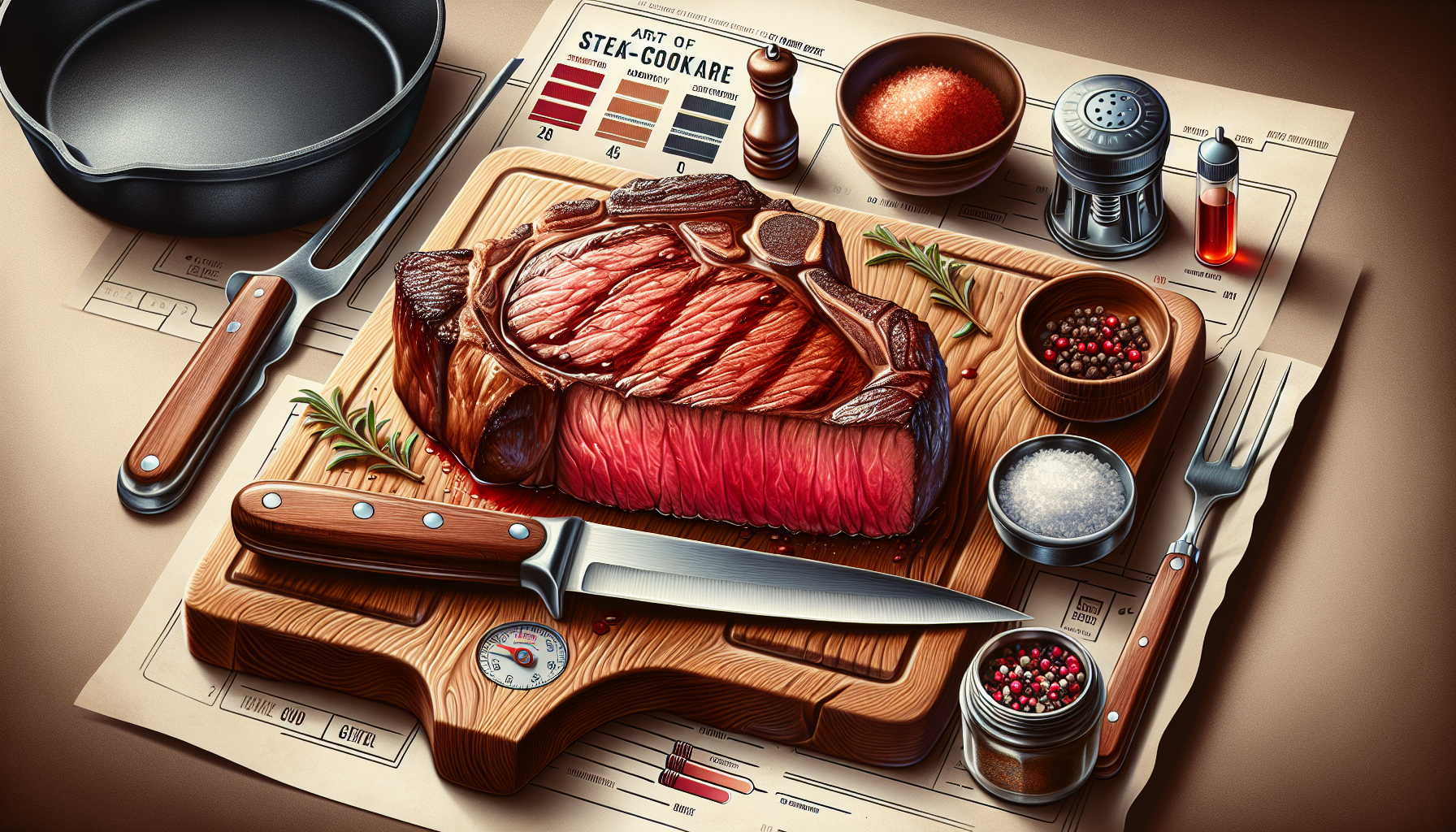
The Perfect Medium Rare: Mastering Your Steak Cooking Skills
Understanding Steak Cuts
To master cooking the perfect medium rare steak, it’s crucial to understand the different cuts of beef. Each cut varies in tenderness, flavor, and ideal cooking methods. Some of the most popular cuts for achieving a perfect medium-rare finish include ribeye, filet mignon, sirloin, and T-bone.
Ribeye
Ribeye is renowned for its rich marbling and intense flavor. It is well-suited for high-heat cooking methods that bring out its buttery texture. When cooked to medium rare, the marbled fat melts, enhancing the meat’s juiciness and flavor.
Filet Mignon
The filet mignon is one of the most tender cuts, making it a favorite among steak lovers. This lean cut requires careful cooking to prevent it from drying out. Achieving a perfect medium rare ensures a juicy, succulent bite.
Sirloin
Sirloin offers a robust flavor at a more affordable price. While it contains less fat than ribeye, sirloin can also be cooked to a perfect medium rare to maintain its tenderness and enhance its robust flavor.
T-Bone
The T-bone steak provides both tenderloin and strip steak, making it a perfect option for steak enthusiasts. Proper cooking to medium rare allows the distinct flavors of both cuts to shine through.
advertisement

Preparing Your Steak
Preparation is key to achieving the perfect medium rare steak. Start with high-quality meat sourced from a reputable butcher. Marbling is essential in achieving flavor and tenderness, so prioritize cuts with good fat distribution.
Seasoning
Simple seasoning with kosher salt and freshly cracked black pepper is often best. Apply the seasoning generously but evenly. Allow the steak to rest at room temperature for about 30 minutes before cooking. This practice ensures even cooking throughout the steak.
Cooking Techniques
Several cooking techniques can create a medium-rare steak, each with its own merits. The three most common methods include grilling, pan-searing, and broiling.
Grilling
Grilling is ideal for infusing a smoky flavor into your steak. Preheat your grill to high heat, aiming for around 450°F to 500°F. Oil the grates lightly to prevent sticking.
- Sear the steak for about 4 to 5 minutes on one side without moving it. This creates a beautiful crust.
- Flip the steak using tongs, and grill for an additional 3 to 4 minutes for a medium rare finish.
- Use a meat thermometer to check the internal temperature, aiming for 130°F to 135°F.
Pan-Searing
Pan-searing is another excellent method, especially suitable for thicker cuts. A heavy skillet, preferably cast iron, works best due to its heat-retention properties.
- Preheat your skillet over medium-high heat for a couple of minutes. Add a tablespoon of vegetable oil.
- Add the steak to the pan, allowing it to sear for approximately 4 to 5 minutes without touching it.
- Flip the steak, and cook for an additional 3 to 4 minutes. To enhance the flavor, consider adding butter, garlic, and herbs like thyme or rosemary during the last few minutes of cooking.
Broiling
Broiling cooks the steak quickly under high direct heat. This method is effective in creating a beautifully browned exterior.
- Preheat your broiler and position the oven rack about 4 to 6 inches from the heat source.
- Place your steak on a broiler pan or wire rack on a sheet pan for proper air circulation.
- Broil for 4 to 5 minutes on each side, monitoring closely to achieve the desired doneness.
Finishing Touches
Once your steak reaches the perfect medium-rare temperature, don’t forget to let it rest. Resting allows the juices to redistribute, ensuring each bite is juicy. A minimum of 5 to 10 minutes of resting time is ideal.
Slicing the Steak
When it’s time to slice your steak, always cut against the grain. Identifying the grain’s direction will improve tenderness, resulting in a more enjoyable eating experience.
Pairing the Perfect Sides
Complementing your perfect medium-rare steak with the right sides can elevate the dining experience.
Classic Sides
- Garlic Mashed Potatoes: Creamy and flavorful, they balance the richness of the steak.
- Grilled Asparagus: Adds a fresh, crunchy texture to your meal.
- Caesar Salad: A crisp salad with a tangy dressing can refresh the palate after each bite.
Wine Pairing
An excellent wine pairing can create a harmonious dining experience. Red wines, particularly Cabernet Sauvignon, Malbec, or Merlot, work beautifully with medium-rare steak, enhancing the flavors on your plate.
Mastering Steak Temperatures
Understanding steak doneness is vital for mastering your cooking skills. Here’s a quick guide to internal temperatures for various doneness levels.
- Rare: 120°F to 125°F
- Medium Rare: 130°F to 135°F
- Medium: 140°F to 145°F
- Medium Well: 150°F to 155°F
- Well Done: 160°F and above
Using a digital meat thermometer is often the most reliable method to gauge the temperature accurately.
Troubleshooting Common Mistakes
Achieving the perfect medium rare steak requires attention to detail. Here are some common mistakes and how to avoid them:
Under or Overcooking
Consistent practice will improve your cooking skills. Rely on a meat thermometer or take the time to learn to judge steak doneness by feel. Each cut may require slightly different cooking times, so adjust accordingly.
Lack of Resting Time
Cutting into a steak too soon can lead to a dry experience. Remember that resting time is essential to juicy steak. Develop a routine, reminding yourself to always allow for resting before serving.
Not Allowing Steak to Come to Room Temperature
Starting with a cold steak can result in uneven cooking. Always bring your steak to room temperature before cooking for even heat distribution.
Enhancing Flavor with Marinades and Rubs
While many steak purists advocate for minimal seasoning, marinades and dry rubs can enhance the flavor profile of specific cuts.
Marinades
A simple marinade of olive oil, balsamic vinegar, garlic, and fresh herbs can impart added flavor. Marinate for at least two hours — ideally overnight.
Dry Rubs
Rub spices like smoked paprika, cumin, or coriander along with salt and pepper for added depth. Allow the rub to sit on the steak for at least 30 minutes before cooking it.
The Role of Resting and Carryover Cooking
Understand how resting time and carryover cooking affect your steak’s final doneness. For instance, even after removing the steak from the heat, it can continue to rise in temperature by about 5°F, so adjust your cooking time accordingly.
Conclusion of Cooking Skills
Developing your skills for perfectly cooking medium rare steak transforms an ordinary dinner into an extraordinary experience. With the right knowledge of cuts, cooking methods, and techniques, anyone can master the art of steak cooking. Through practice, patience, and attention to detail, you can achieve a deliciously tender and juicy steak every time.
advertisement