The Influence of Renaissance Art on Modern European Culture
The Historical Context of the Renaissance
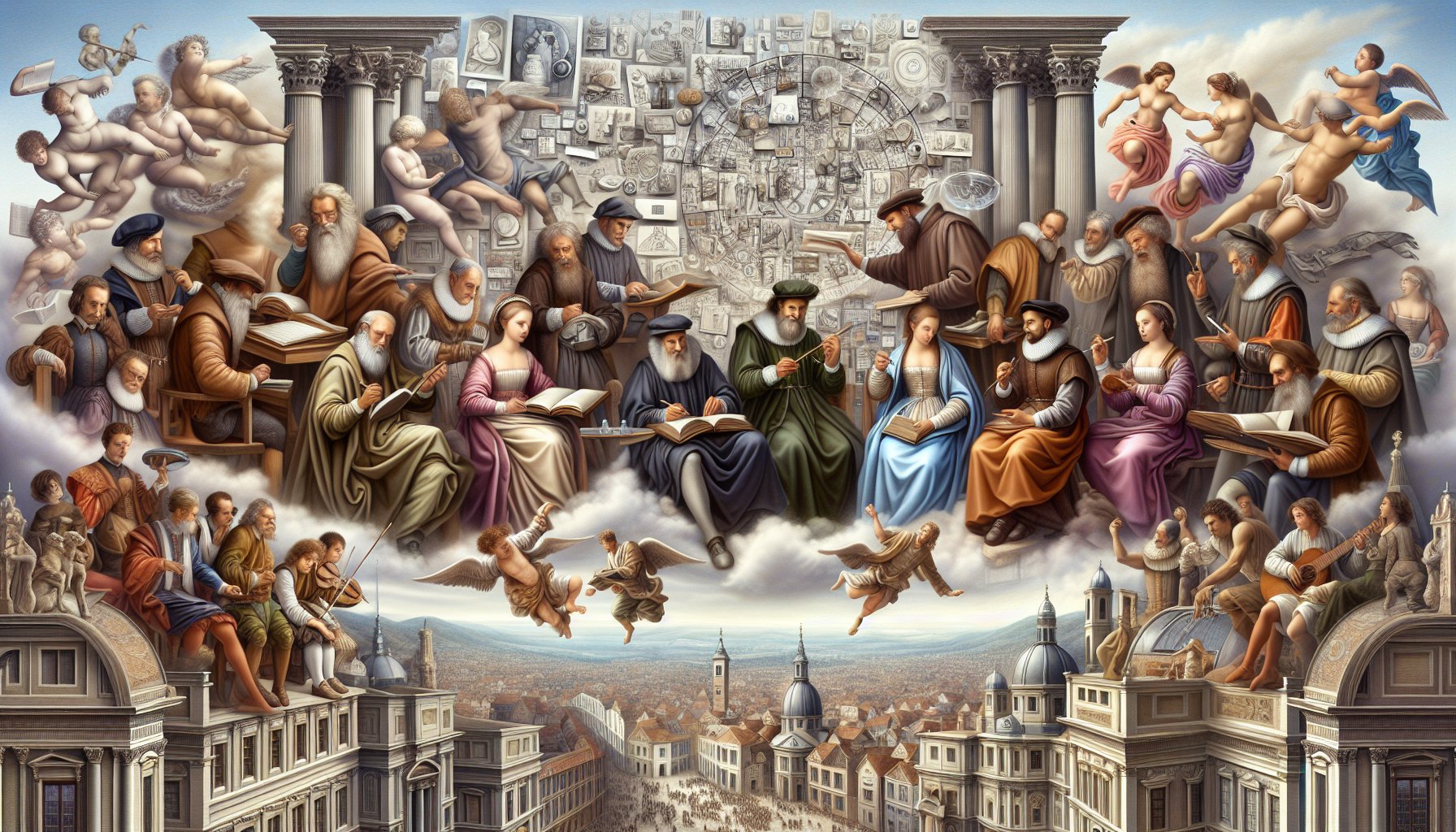
The Renaissance, spanning from the 14th to the 17th century, grew out of the cultural revitalization of Europe following the Middle Ages. This period, primarily centered in Italy, marked a profound shift in artistic expression, mirroring broader philosophical, political, and scientific changes. It was characterized by a renewed interest in the classical texts of Ancient Greece and Rome, leading to the development of humanism, which emphasized the potential and achievements of human beings.
Key Figures and Their Contributions
Several influential artists emerged during this period, shaping not just the art world but also laying the groundwork for modern European culture.
Leonardo da Vinci is perhaps the most iconic figure, renowned for masterpieces like “The Last Supper” and “Mona Lisa.” His investigations into anatomy and perspective transformed artistic representation. Modern art still feels his influence, especially in how artists approach realism.
Michelangelo Buonarroti, another titan of the Renaissance, mastered sculpture, painting, and architecture. His work on the Sistine Chapel ceiling showcased not only technical virtuosity but also the emotional depth of human experience, setting standards for artists today.
Raphael, celebrated for his harmonious compositions and use of color, contributed to the development of portraiture and narrative space within visual works. His approach to storytelling through visual means still resonates in contemporary visual narratives, from cinema to graphic novels.
advertisement

Techniques That Shaped Visual Culture
The Renaissance introduced several artistic techniques that would come to define European art.
Linear perspective revolutionized how space and form were depicted on a flat surface. This technique allowed artists to create a convincing three-dimensional illusion, which is foundational in modern architecture and design.
Chiaroscuro, the contrast of light and dark, added depth and volume to figures. This technique’s application extended beyond painting to photography and cinematography, informing how light interacts with subjects today.
Sfumato, perfected by Leonardo, allowed for softer transitions between colors and tones. This method of blending shadows and lights continues to influence modern digital art and photography, where smooth gradients are essential.
The Role of Patronage
The role of patronage during the Renaissance cannot be overstated. Wealthy families, such as the Medici in Florence, or the Papacy in Rome, funded artists, effectively shaping the cultural landscape. This dynamic is mirrored in the present, where major corporations and affluent individuals sponsor art initiatives, exhibitions, and festivals. Art fairs such as Art Basel or Frieze London continue this legacy, exhibiting contemporary works that owe their existence to the patronage system.
The Impact on Literature and Philosophy
Renaissance art’s influence extends beyond visual arts into literature and philosophy. The themes explored in paintings often found resonance in the literature of the time. Works like Dante’s “Divine Comedy” and Petrarch’s sonnets are infused with a humanistic sensibility that parallels the emotional depth captured in Renaissance art.
Philosophers such as Erasmus and Machiavelli questioned society and government in ways that influenced not only political theory but also narrative forms used by modern writers. The Renaissance’s exploration of the human experience set the stage for existentialism and various modern philosophical discourses.
Architecture: A Lasting Legacy
The Renaissance also left an indelible mark on European architecture. The revival of classical Greco-Roman elements led to structures such as St. Peter’s Basilica in Vatican City and the reinterpretation of civic buildings across Europe.
The symmetry and proportion that characterize Renaissance architecture influenced modern urban planning and architectural styles, from Neoclassicism to contemporary designs that resonate with these historical roots. The necessity for beauty and functionality visible in Renaissance designs can be seen in today’s architectural ethos.
Artistic Movements and Adaptations
The foundations laid during the Renaissance set the groundwork for numerous subsequent art movements. The Baroque period, with its dramatic use of light and vibrant colors, can be seen as a reaction to the balanced harmony characteristic of Renaissance art.
The Romantic movement, emphasizing emotion and individualism, retained elements from Renaissance humanism, focusing passionately on the human experience depicted in art. Into the 20th and 21st centuries, there have been ongoing conversations in modern art about the nature of representation, realism, and emotional authenticity—all of which were significantly developed during the Renaissance.
Visual Media and Pop Culture
In contemporary culture, the influence of Renaissance art is glaringly evident in various forms of media, including film, television, and advertising. Directors like Martin Scorsese and Ridley Scott often incorporate themes from Renaissance art, using visual framing and color palettes reminiscent of works from that era.
For example, films such as “The Talented Mr. Ripley” vibe closely with Renaissance themes of identity, deception, and duality, all captured in striking visual compositions. This interplay continues to captivate audiences and provides a bridge connecting past artistic endeavors with modern storytelling techniques.
Art Education and Museums
Modern European culture promotes understanding and appreciation of Renaissance art through extensive educational programs in universities and art schools. The study of art history typically includes comprehensive explorations of the Renaissance, emphasizing its lasting influences on various artistic forms.
Cultural institutions and museums actively curate Renaissance exhibitions, rolling out educational programs aimed at demystifying the intricacies of Renaissance art. Museums such as the Louvre, Uffizi, and the British Museum ensure that the works of Renaissance masters remain accessible to the broader public, perpetuating their impact.
Technological Innovations and Artistic Expression
The pivotal role of technology in the evolution of art cannot be overlooked. The Renaissance period itself saw the development of oil painting, which allowed for greater detail and vibrant color. Today, digital technology continues this legacy, offering new mediums for artistic expression.
Contemporary artists utilize digital tools to create works that blend traditional techniques with modern technology. Whether through virtual reality environments or digital canvases, artists continue to borrow from Renaissance ideals while innovating in ways previously unimaginable.
The Enduring Nature of Renaissance Themes
At the heart of Renaissance art is a profound exploration of what it means to be human, a theme that is timeless. Modern European culture continues to engage with Renaissance ideals regarding humanity, beauty, and the pursuit of knowledge. From literature to visual media, the quest for understanding the human condition remains central, allowing Renaissance concepts to stay relevant.
Conclusion on the Enduring Influence
Renaissance art provides a foundational bedrock upon which modern European culture is built. The techniques, themes, and philosophies developed during this era continue to inspire contemporary artists, thinkers, and creators across diverse fields. By examining this rich history, we not only gain insight into the past but also better appreciate the cultural landscape shaped by these profound artistic legacies. The Renaissance was not merely an artistic revolution; it was a pivotal moment that redefined human expression in myriad forms that resonate powerfully to this day.
advertisement