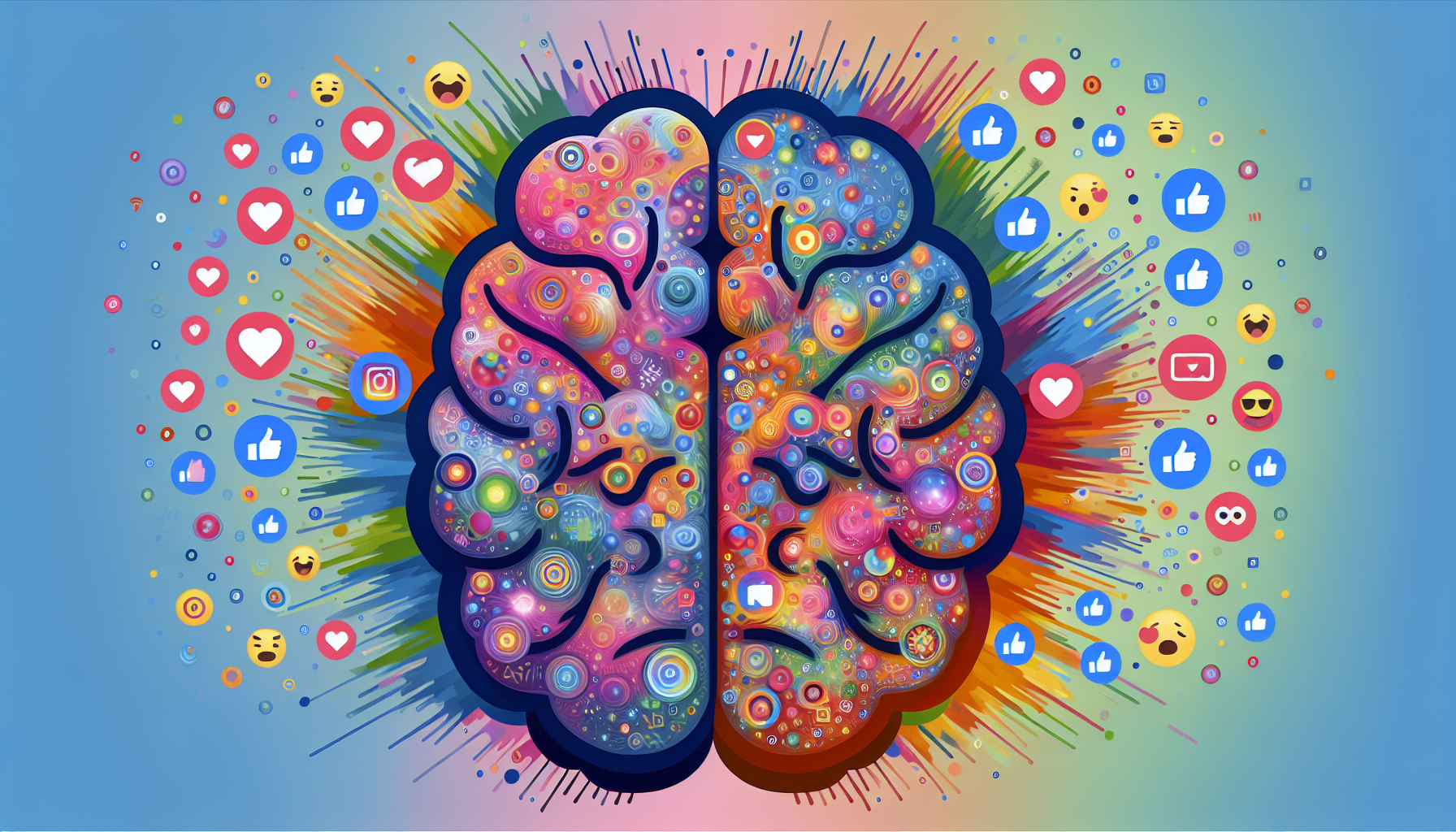
The Impact of Social Media on Mental Health
The Double-Edged Sword of Social Media
In today’s hyper-connected world, social media platforms like Facebook, Instagram, Twitter, and TikTok have woven themselves into the fabric of everyday life. While these platforms offer a plethora of benefits—such as instant communication, connection with like-minded individuals, and access to a vast array of information—they have also been implicated in rising rates of mental health issues among users. The complex relationship between social media and mental health underscores the need for a closer inspection of both the positive and negative ramifications.
The Positive Impacts of Social Media on Mental Health
Fostering Connections
One of the most significant advantages of social media is its ability to connect individuals. For many, especially those who may be socially isolated or living with health challenges, online platforms can provide a sense of community. Social media allows users to engage with others, share experiences, and offer support. This is particularly evident in groups focusing on mental health issues, where individuals can share their stories and coping mechanisms.
Access to Information and Resources
Social media is also a robust platform for disseminating information about mental health. Non-profit organizations, mental health professionals, and advocates leverage social media to raise awareness and provide resources. The availability of educational content on mental health topics—such as anxiety management, depression coping strategies, and mindfulness practices—has the potential to support individuals in seeking help and understanding their challenges better.
Promoting Self-Expression and Creativity
Many users find solace in sharing their thoughts, experiences, and creations through various media formats. Platforms that prioritize creative expression, such as Instagram and TikTok, empower individuals to explore their identity and express themselves freely. This self-expression can serve as a therapeutic outlet, allowing users to process their emotions and experiences creatively.
Peer Support
The rise of digital communities dedicated to mental wellness has fostered access to peer support systems that can be invaluable. For instance, online support groups offer individuals a chance to converse with peers who share their struggles, reducing feelings of isolation. Being part of a community that provides mutual support encourages openness about mental health, facilitating discussions that break down stigma and foster understanding.
advertisement

The Negative Impacts of Social Media on Mental Health
Increased Anxiety and Depression
While social media can offer support, it can also be a breeding ground for anxiety and depression. Constant exposure to carefully curated representations of others’ lives can lead to unhealthy comparisons. Users may feel inadequate, leading to feelings of low self-esteem, anxiety, or depression. Research studies indicate that the more time an individual spends on social media platforms, the more likely they are to report feelings of loneliness and dissatisfaction in their own life.
Cyberbullying and Harassment
Cyberbullying remains a pervasive issue within the realm of social media. With the ability to post anonymously, some users engage in harmful behavior that targets an individual’s mental health, causing distress and trauma. Victims of cyberbullying may bypass traditional support networks, suffering in silence as negative remarks and trolling destroy their self-esteem and exacerbate feelings of isolation and anxiety.
Sleep Disruption
The use of social media often extends late into the night, interfering with essential sleep patterns. The blue light emitted from screens has been linked to sleep disturbances, while engaging content may delay bedtime as individuals scroll through feeds. Insufficient sleep can adversely affect mental health, contributing to heightened stress levels, irritability, and the exacerbation of existing mental health issues.
FOMO and Fear of Missing Out
Social media platforms notoriously give rise to the phenomenon known as “FOMO” or the fear of missing out. This anxiety-inducing sensation stems from seeing friends and acquaintances engage in activities that one is not part of. The emotional fallout from FOMO can lead to feelings of inadequacy, loneliness, and disconnection, which can further spiral into more severe mental health challenges.
The Role of Social Media in Activism and Awareness
Mental Health Advocacy
Social media has become an influential tool for mental health advocacy, enabling movements and awareness campaigns to gain traction. Individuals and organizations can rally support, raise funds, and create educational content about mental health in ways that were once unimaginable. Popular hashtags like #MentalHealthAwareness and #EndTheStigma create avenues for discussions, driving awareness and encouraging others to speak openly about their mental health challenges.
Strategies for Healthy Social Media Use
Setting Boundaries
It’s crucial for users to establish boundaries regarding their social media usage. This might include setting specific times for engaging with these platforms as well as limiting the amount of time spent on them each day. By doing so, individuals can ensure that social media engagement does not intrude on other essential activities, such as face-to-face interactions and physical health, both vital components of overall wellness.
Curating Feeds
Users should curate their social media feeds to prioritize positive content. By following accounts that offer motivational quotes, mental health resources, and uplifting stories, users can create a healthier online environment. This curation process can help mitigate feelings of inadequacy and anxiety while promoting a more supportive digital experience.
Engaging Mindfully
Practicing mindfulness when using social media can help individuals remain grounded. Taking breaks from platforms, reflecting on how specific accounts make one feel, and being aware of emotional responses to content can enhance self-awareness. Engaging mindfully with social media encourages users to consider their motivations, whether it is seeking connection, validation, or entertainment.
The Importance of Digital Literacy
As social media platforms evolve, promoting digital literacy becomes essential. Users must be educated about online etiquette, recognizing the impact of their words and actions on others. Additionally, understanding how algorithms operate and curating one’s own social media experience can empower users to take control of their engagement with these platforms.
Conclusion on Social Media and Mental Health
Social media remains a powerful double-edged sword in the realm of mental health. While it can foster community, self-expression, and resource sharing, it can also contribute to anxiety, depression, and a range of negative mental health outcomes. As society continues to navigate the complexities of digital interaction, prioritizing mental health awareness and promoting healthy social media habits will be vital to ensuring that individuals harness the positive aspects of these platforms while mitigating the risks to mental well-being. Fostering a balanced approach can allow individuals to reap the benefits of social media without succumbing to its detrimental impacts.
advertisement