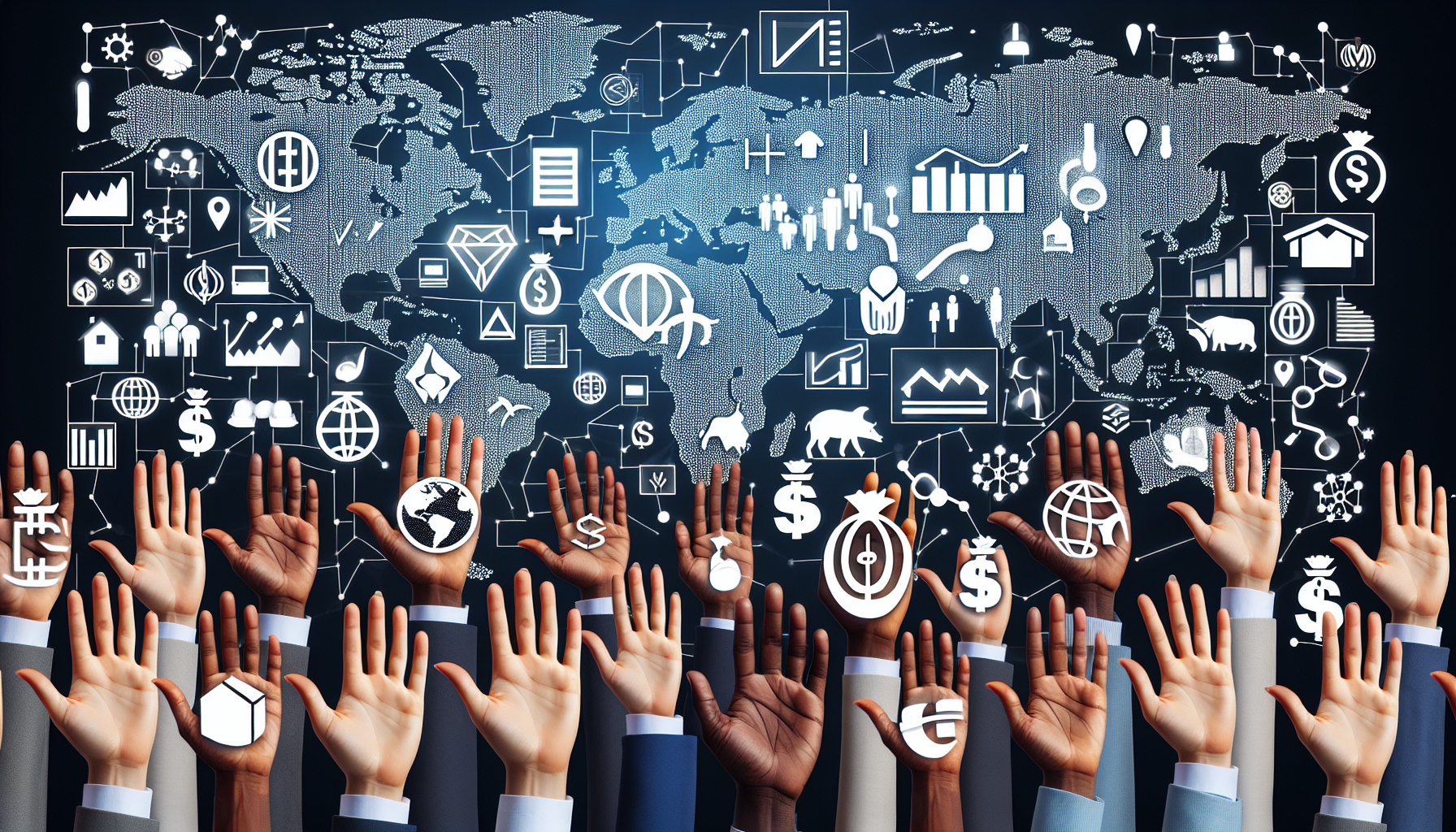
The Impact of Globalization on Local Cultures
Globalization is a multifaceted phenomenon that has significantly influenced various dimensions of human society, notably local cultures. This article delves into the intricate relationship between globalization and local cultures, highlighting both the positive and negative impacts.
Economic Integration and Cultural Exchange
One of the most pronounced effects of globalization is the economic integration it fosters. Countries become interdependent through trade, investment, and labor migration. This interconnectivity leads to cultural exchange and a blending of customs and traditions.
Foreign Investments and Local Businesses
When multinational corporations invest in local economies, they often bring with them not just capital but also cultural practices, business models, and consumer behaviors. For instance, a global fast-food chain might influence local dining customs. While this can lead to job creation and economic growth, it may also overshadow traditional food practices and culinary heritage.
advertisement

Promotion of Global Brands
Global brands, such as Nike or Coca-Cola, create a homogenized culture where local artisans and manufacturers struggle to compete. As these brands permeate local markets, they reshape consumer preferences and drive local markets towards a more standardized set of goods and services. This can lead to a cultural dilution where unique local brands and their associated customs risk fading into obscurity.
Cultural Homogenization vs. Cultural Diversification
The interplay of globalization often leads to two contrasting outcomes: cultural homogenization and cultural diversification.
Cultural Homogenization
Cultural homogenization refers to the loss of cultural diversity, often resulting from the dominance of Western cultural forms. As global media platforms like Netflix, YouTube, and social media networks proliferate, they transmit Western values, lifestyles, and norms. For example, lifestyle trends from Western countries can overshadow local customs, leading to a preference for Western modes of expression in music, fashion, and entertainment.
Cultural Diversification
Conversely, globalization can also stimulate cultural diversification. The interaction among cultures leads to hybridization, creating new cultural forms. For example, the global popularity of K-Pop has introduced Korean music and fashion to a worldwide audience, enhancing the cultural fabric globally and encouraging cross-cultural collaborations. Local artists infuse global styles with indigenous elements, leading to a rich tapestry of new cultural expressions.
Language: A Reflection of Cultural Change
Language serves as a primary vehicle for expressing culture. Globalization impacts languages profoundly, resulting in the spread of dominant languages such as English while threatening the survival of minority languages.
The Global Lingua Franca
English has emerged as the global lingua franca, facilitating international business, diplomacy, and academia. This widespread usage enhances communication and exchange but also contributes to language endangerment. Many indigenous languages face extinction as speakers shift to more dominant languages for socioeconomic advantage, leading to a loss of cultural identity and heritage.
Language as a Cultural Artifact
Local languages often carry unique expressions, idioms, and ways of thinking. As globalization elevates English, local languages risk becoming marginalized, stripping communities of their linguistic heritage and, consequently, their cultural integrity. Language revitalization movements are essential in combating this trend by fostering pride in local dialects.
Technology and Cultural Transmission
Technological advancements drive globalization and influence cultural practices significantly. The rise of the internet and social media platforms has transformed how cultures are shared and experienced.
Digital Platforms and Cultural Dissemination
Social media platforms like Instagram and TikTok have democratized cultural production. Individuals can share their cultural practices, art forms, and traditions with a global audience. This bidirectional flow of cultural exchange allows local customs to gain international recognition. However, it also poses challenges; viral trends can lead to cultural appropriation, where aspects of local cultures are appropriated without understanding or respecting their significance.
Virtual Reality and Cultural Preservation
Technologies such as virtual reality offer innovative avenues for preserving and experiencing local cultures. Virtual tours to historical sites and cultural festivals can help maintain interest in local traditions while making them accessible to a broader audience. This technological integration enables communities to showcase their heritage and educate others about their cultural significance.
The Role of Tourism in Cultural Change
Globalization has significantly boosted the tourism industry, establishing it as a major economic driver in many regions. However, this economic benefit comes with repercussions for local cultures.
Cultural Commodification
Tourism often commodifies local cultures, transforming unique customs and practices into products for consumption. Traditional ceremonies may be altered or staged specifically for tourists, leading to a diluted version of the authentic cultural experience. This commodification can alienate local communities from their own cultural heritage as they strive to meet tourist expectations.
Regenerative Tourism and Cultural Preservation
On a positive note, responsible tourism can promote cultural preservation. Initiatives aimed at cultural tourism encourage travelers to engage meaningfully with local customs, fostering appreciation rather than appropriation. Communities can benefit economically while maintaining their cultural integrity through programs that prioritize authentic experiences and educational interactions.
The Influence of Media and Global Communication
The role of media in globalization cannot be overstated. Global news networks, television shows, and films shape perceptions and narratives about local cultures.
Global Media and Cultural Perceptions
Media representation often influences how people perceive different cultures. Stereotypes can emerge from superficial portrayals, leading to misunderstanding and cultural misappropriation. However, when local filmmakers gain access to global platforms, they can tell authentic stories that present their culture complexly and nuanced.
Citizen Journalism and Local Voices
With the advent of technology, citizen journalism empowers individuals to share their narratives, countering mainstream media representations. This democratization allows local voices to highlight cultural nuances that global narratives often overlook, fostering greater appreciation and understanding globally.
The Education System and Cultural Adaptation
The education system is a crucial arena where the effects of globalization on culture manifest, affecting how cultural knowledge is transmitted.
Global Curriculum vs. Local Knowledge
As educational institutions adopt global curricula, there can be a tendency to overshadow local knowledge systems. This shift raises concerns about cultural imperialism, where Western educational practices dictate what is considered valuable knowledge. Incorporating local histories, languages, and practices is essential for creating a balanced educational framework that respects and preserves local identities.
Cultural Exchange Programs
Participation in cultural exchange programs fosters understanding and respect among different cultures. Students traveling abroad can share their cultural backgrounds while engaging with new customs and practices. These exchanges promote intercultural dialogue and encourage a more inclusive worldview among younger generations.
Challenges and Resilience of Local Cultures
While globalization poses challenges to local cultures, it also catalyzes resilience and adaptability.
Cultural Resilience
Communities often develop strategies to adapt to globalization pressures while maintaining their cultural identity. Grassroots movements advocating for cultural preservation, such as local art initiatives and culinary festivals, showcase the strength of local cultures in the face of a globalized world.
Revival of Traditional Practices
As a response to globalization, there is a resurgence of interest in traditional practices, crafts, and events. Communities are increasingly recognizing the value of their cultural heritage, leading to a revival of customs that were previously to give way to globalization. Local festivals promoting regional art forms and traditions serve as both a celebration of cultural identity and a tourist attraction, empowering communities to reclaim their narratives.
Intercultural Dialogue and Collaboration
Facilitating intercultural dialogue is another vital aspect of globalization’s impact on local cultures. Through collaboration between diverse cultural groups, communities can thrive in an interconnected world.
Collaborative Cultural Initiatives
Cultural partnerships between local artists and global institutions can lead to the development of innovative art projects that reflect a blend of cultural influences. Such initiatives foster solidarity among cultural communities and emphasize the richness that diversity brings to the global stage.
Cultural Diplomacy
Cultural diplomacy initiatives strengthen ties between nations and foster mutual appreciation for diverse cultural heritages. By participating in cultural exchange programs, countries can promote understanding and respect, mitigating the adverse effects of globalization on local cultures.
Urbanization and The Cultural Landscape
Globalization and urbanization are closely intertwined, creating complex cultural dynamics within urban spaces.
Global Cities as Cultural Melting Pots
Global cities like New York, London, and Tokyo serve as melting pots of cultures, where diverse traditions intermingle and evolve. While this fosters a vibrant cultural landscape, it can lead to tensions between the preservation of local culture and the forces of globalization that dictate urban development.
Regeneration of Cultural Spaces
Efforts to regenerate cultural spaces, such as community centers and local markets, can provide platforms for showcasing local talent and preserving traditional practices. Investing in cultural infrastructure supports community engagement and helps maintain cultural vibrancy amid urbanization.
Challenges Ahead: Globalization vs. Local Identity
As globalization continues to shape and redefine local cultures, the struggle to maintain cultural identity becomes increasingly critical. Local communities must navigate the complexities of a globalized world while reaffirming their unique cultural heritage.
Balancing Global Influence with Local Identity
Striking a balance between embracing global influences and preserving local traditions is essential for cultural sustainability. Strategies that encourage cultural expression, education, and advocacy empower communities to celebrate their heritage while engaging with the broader global landscape.
Globalization as an Ongoing Process
Globalization is an ongoing process that brings both opportunities and challenges. As societies evolve, it is crucial to engage in critical conversations around the impacts of globalization on local cultures, ensuring that diverse voices are heard and valued.
Role of Local Governments and Policy Makers
Local governments and policy makers play an instrumental role in navigating the impacts of globalization on local cultures.
Creating Supportive Policies
By establishing policies that foster cultural diversity and preservation, local governments can protect against cultural homogenization. Supporting local artists, promoting cultural events, and prioritizing education that celebrates local traditions are vital steps toward maintaining cultural integrity.
Engaging Communities
Encouraging community engagement in cultural initiatives promotes a participatory approach to culture. Involving local stakeholders in decision-making strengthens cultural policies and fosters a sense of ownership and pride in local heritage.
Fostering Cultural Awareness and Education
Education remains a powerful tool for fostering cultural awareness and respect. By integrating global perspectives into local education systems, future generations can develop a nuanced understanding of cultural dynamics.
Cultural Literacy Programs
Implementing cultural literacy programs in schools can enhance students’ awareness of diverse cultures, promoting empathy and respect. Understanding the interconnectedness of cultures encourages students to appreciate the richness of diversity while critically engaging with global influences.
Community-based Learning Initiatives
Local cultural organizations can facilitate workshops and programs that immerse residents in traditional practices, providing opportunities for learning and participation. Such initiatives nurture cultural appreciation and encourage active involvement in cultural preservation.
Conclusion
The intricate relationship between globalization and local cultures is dynamic and multifaceted. While globalization poses challenges, it simultaneously provides opportunities for cultural exchange, collaboration, and innovation. By actively engaging in cultural preservation, local communities can thrive, ensuring their rich traditions and identities endure in an ever-evolving global landscape.
advertisement