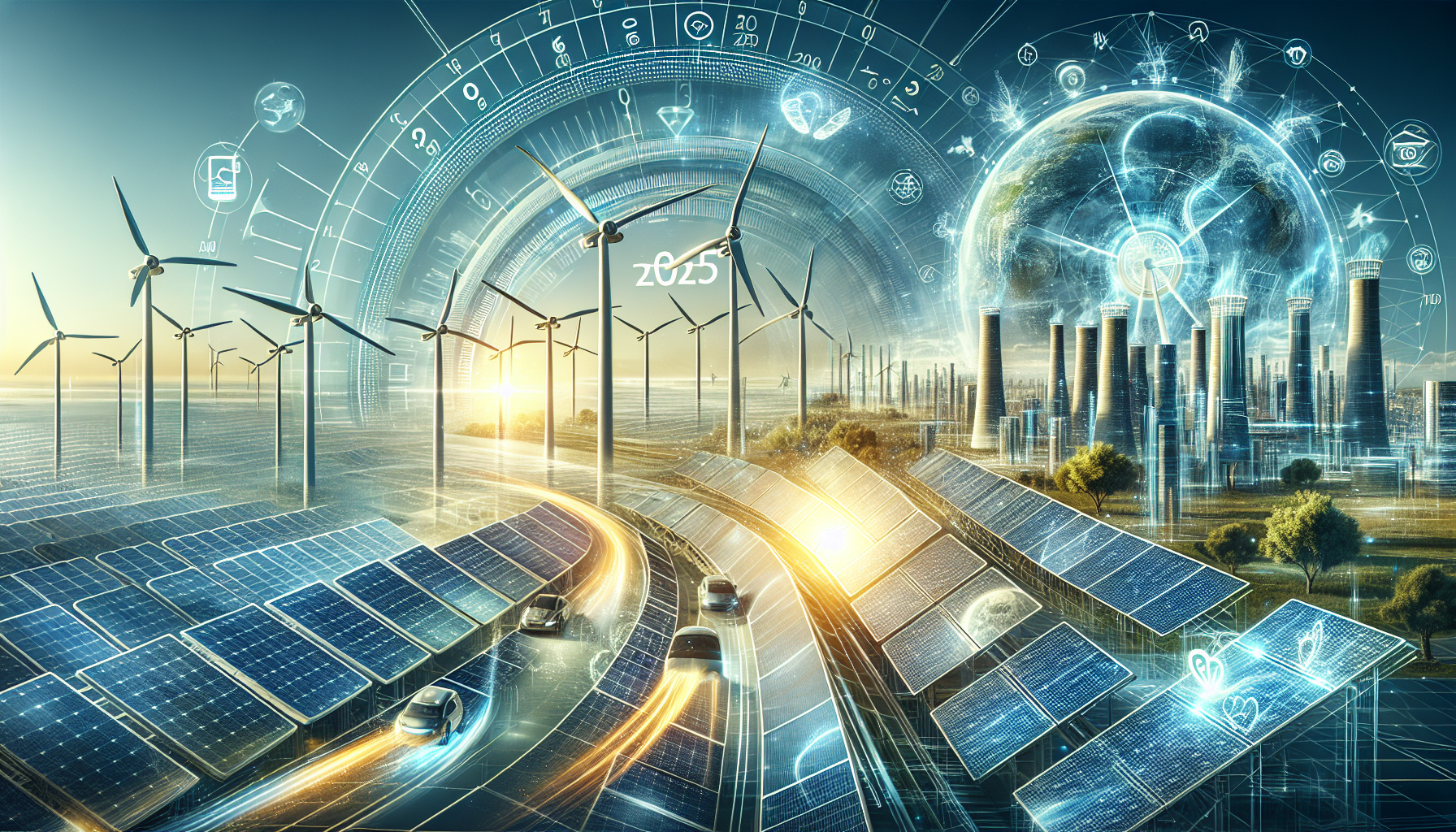
The Future of Renewable Energy: What to Expect in 2025
Technological Advancements in Renewable Energy
Solar Energy Innovations
By 2025, solar energy technology is expected to leap forward with advancements in photovoltaic cells and solar thermal technology. Perovskite solar cells, known for their high efficiency and lower production costs, are anticipated to become more mainstream. Innovations in energy storage, particularly with lithium-sulfur and solid-state batteries, will also allow for better energy retention and usage, addressing one of the primary limitations of solar energy: intermittent availability.
Wind Energy Developments
Vertical-axis wind turbines (VAWTs) are likely to gain popularity, particularly in urban environments where space is limited. Offshore wind farms are projected to expand significantly, primarily due to enhancements in turbine design and engineering. Turbines are expected to grow larger and more efficient, capable of capturing wind energy at greater heights where winds are stronger and more consistent.
Hydropower Evolution
Hydropower technology will evolve to include smaller-scale systems, known as micro-hydropower systems, which are less intrusive to the environment and can be utilized in remote areas. Advances in turbine technology that maximize efficiency and minimize ecological impact are expected to be rolled out. Moreover, floating hydropower, which utilizes water bodies that were previously unexploitable, is anticipated to become a bigger part of the hydropower landscape.
Geothermal Energy Enhancements
Geothermal energy’s potential is set to be unlocked further by 2025 with enhanced geothermal systems (EGS) technology, which allows for energy extraction in areas not traditionally associated with geothermal activity. Increased drilling efficiency and more sophisticated thermal energy conversion methods will make geothermal a more accessible solution for various regions around the globe, particularly in regions with high geothermal potential but low accessibility.
Policy Changes and Regulations
Global Climate Agreements
The landscape of renewable energy is intricately linked to international agreements aimed at combating climate change. By 2025, we can expect more nations to commit to net-zero emissions goals, applying stricter regulations on fossil fuel emissions. Countries will likely implement incentives for adopting renewable energy solutions, driving investment in green technology.
advertisement

Government Initiatives
Expect governments worldwide to rollout more comprehensive renewable energy policies, including tax incentives for companies investing in renewable resources, grants for research and development, and subsidies for consumers purchasing renewable energy systems. Enhanced grid regulations to accommodate decentralized energy production will also be prevalent.
Carbon Pricing
As part of a larger goal to internalize the environmental costs associated with fossil fuel consumption, carbon pricing mechanisms are likely to proliferate. These measures will create a more level playing field for renewable energy technologies as they encourage businesses to consider sustainability as part of their operational costs.
Economic Trends Influencing Renewable Energy
Investment Surge
Investment in renewable energy technologies is expected to soar. By 2025, analysts predict that the global renewable energy market will exceed a valuation of $2 trillion. Venture capitalists, along with government and institutional investors, are expected to devote substantial resources to startups focused on clean energy innovations.
Job Creation
The renewable energy sector will be a significant job creator, with opportunities arising in manufacturing, installation, maintenance, and research and development. By 2025, millions of jobs are likely to be created globally as countries transition away from fossil fuels to green energy solutions.
Consumer Adoption and Behavioral Changes
Increased Awareness of Sustainability
The shift towards renewable energy is not just a top-down approach; consumer behavior will heavily influence the transition. By 2025, public awareness of climate change and sustainability issues is expected to manifest into a stronger demand for green energy solutions. Homeowners are likely to install solar panels, energy-efficient appliances, and smart home technologies to reduce their carbon footprint.
Decentralization of Energy Production
The rise of decentralized energy production, or microgrids, will empower consumers to generate their own energy. By 2025, we expect to see a growing number of homeowners and communities utilizing solar panels and battery storage systems, contributing to a personalized and localized energy grid. This trend will increase energy resilience and promote self-sufficiency.
Integration and Smart Grid Technologies
Adoption of Smart Grids
Smart grid technology is poised for rapid advancement by 2025, enabling a more efficient distribution and management of renewable energy resources. Integration with the Internet of Things (IoT) will allow for real-time monitoring and optimization of energy usage, leading to decreased waste and better alignment of energy supply with demand.
Energy Storage Solutions
The progress in energy storage solutions will lead to better integration of intermittent renewable energy sources like solar and wind into the energy grid. Expect elevated developments in large-scale battery systems capable of storing power generated during peak production times for use during high-demand periods, enhancing grid stability.
Blockchain Technology
Blockchain is likely to play a pivotal role in energy distribution by 2025. This technology offers secure and transparent transactions of energy trading between producers and consumers, making decentralized energy models more feasible. Peer-to-peer energy trading platforms can allow homeowners with solar panels to sell excess energy back to the grid or directly to their neighbors.
Global Perspectives in Renewable Energy
Emerging Markets
Renewable energy investment in emerging markets will experience rapid growth by 2025. Countries in Africa and Southeast Asia, rich in renewable resources but lacking extensive infrastructure, will capitalize on advances in technology and decreased costs. Solar microgrids and off-grid solutions will offer access to electricity in areas previously underserved.
Resilience Against Climate Events
As extreme weather events related to climate change increase in frequency, the resilience of renewable energy systems will be paramount. Techniques such as climate-resilient infrastructure and adaptive technologies will be engineered to ensure that renewable energy sources remain operational and reliable despite adverse conditions.
Collaboration Across Borders
International collaborations will be vital in addressing global energy challenges. By 2025, expect to see cooperative projects among nations, especially in shared renewable resources like wind corridors and hydroelectric schemes, as well as cross-border electricity trade agreements to balance supply and demand effectively.
Challenges and Solutions in the Transition
Infrastructure Upgrades
Alongside advancements, a major challenge will be the need for upgrading existing energy infrastructure to accommodate the increased flow of renewable energy. Investments will be essential in modernizing transmission lines and grid systems to handle the unique operational characteristics of renewable resources.
Supply Chain Management
The inevitable growth in renewable energy technologies will strain existing supply chains, particularly for critical materials like lithium, cobalt, and rare earth elements. By 2025, the industry will likely invest in developing sustainable supply chains through recycling programs and diversifying sources.
Public Resistance
Resistance to new renewable energy projects may arise due to NIMBYism (Not In My Backyard). Effective communication, community-engagement strategies, and showcasing the benefits of local renewable projects will be crucial in mitigating opposition and fostering public support.
The renewable energy sector will undergo substantial transformation by 2025, driven by technological advancements, regulatory policies, and changing consumer attitudes. This comprehensive evolution offers a glimpse into a more sustainable, resilient, and decentralized energy landscape poised to address both environmental challenges and global energy demands.
advertisement