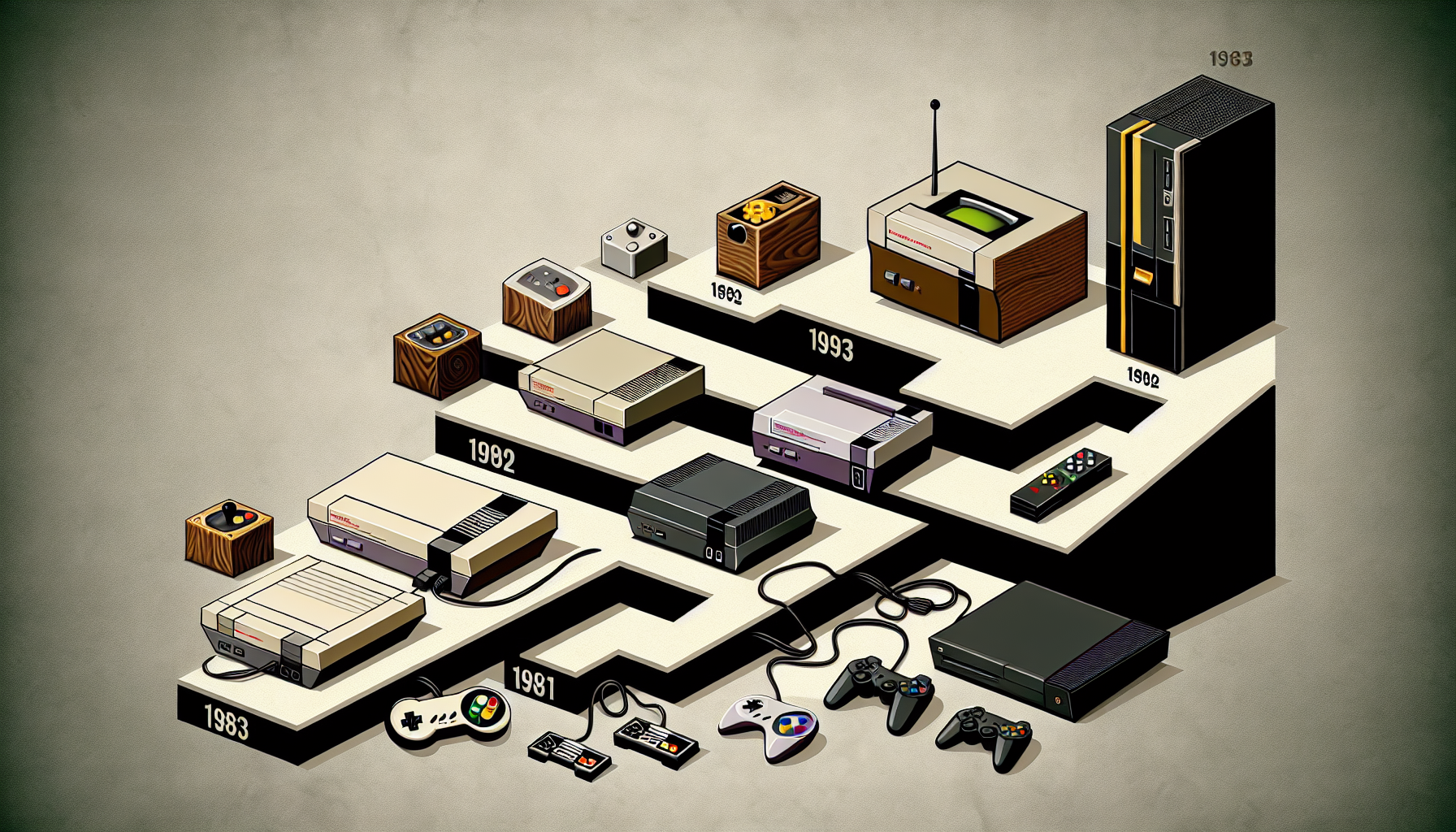
The Evolution of Xbox: From Xbox to Series X
The Birth of Xbox (2001)
The gaming landscape was forever changed in 2001 with the launch of the original Xbox. Developed by Microsoft, the console appeared as the tech giant’s foray into an industry dominated by older players like Sony and Nintendo. The narrative for Xbox began as a response to the growing popularity of consoles and online gaming, especially highlighted by the success of Sony’s PlayStation 2.
Microsoft sought to create a robust gaming experience, integrating advanced technology for the time, including a powerful Intel processor and a hard drive— a first for consoles. This allowed for faster load times, storage of game saves, and even the ability to store custom music tracks. The Xbox launched with titles such as Halo: Combat Evolved, which quickly became a flagship title, redefining first-person shooters on consoles and spurring the creation of a sprawling franchise.
Xbox Live and Online Gaming (2002)
In November 2002, Microsoft launched Xbox Live, taking the gaming experience to a new level by introducing online multiplayer support. This service allowed gamers to compete against each other from the comfort of their homes, which was a groundbreaking feature at the time. Whereas competitors were still relying on local multiplayer options, Xbox Live enabled players to engage in a broader gaming community, support for voice chat through headsets, and downloadable content (DLC).
This innovation helped solidify the Xbox brand as a leader in online gaming, influencing how games were developed and marketed. The launch of Halo 2 in 2004 showcased the full potential of Xbox Live with its online multiplayer feature, leading to millions of active users jumping into battles together, advancing the franchise further into global fandom.
Xbox 360: Redefining Console Gaming (2005)
The release of the Xbox 360 in 2005 marked a major turning point, combining casual gaming with hardcore experiences. With a sleeker design and enhanced graphics, the Xbox 360 catered to a broader audience. The console came packed with a robust library, including titles like Gears of War and Forza Motorsport.
advertisement

The improved Xbox Live service was critical to the Xbox 360’s success. The introduction of the Xbox Marketplace allowed users to download games, demos, and add-ons. Xbox Live Arcade created an environment for indie developers, resulting in a plethora of creative games that challenged convention. Notable titles included Braid and Castle Crashers, sparking the indie game revolution.
However, the Xbox 360 was not without its challenges. The infamous “Red Ring of Death” plagued early models, leading to warranty extensions and recalls. Despite this setback, Microsoft’s commitment to continuous updates and improvements solidified the 360’s popularity.
Kinect: Revolutionizing Gaming Interaction (2010)
In November 2010, the Kinect was introduced as a motion-sensing input device for the Xbox 360. Utilizing advanced depth sensor technology and voice recognition, the Kinect allowed players to control games using their bodies, marking a significant shift to non-traditional game mechanics. Titles like Kinect Adventures! highlighted its capabilities, appealing to casual gamers and families.
Kinect’s success led to Microsoft’s partnership with various fitness and casual game developers. It served as a gateway to attracting a demographic that typically didn’t partake in traditional gaming. However, while the initial excitement led to impressive sales, the novelty wore off, and developers faced challenges in creating engaging Kinect-exclusive titles.
Xbox One: Competing on All Fronts (2013)
The launch of the Xbox One in November 2013 significantly shaped the console gaming landscape, introducing features that blurred the lines between gaming and multimedia. The Xbox One emphasized an integrated experience, allowing users to switch seamlessly between games, television, music, and social applications. This was a pivot towards serving as a digital hub within the living room.
However, the launch was marred by controversies. The initially proposed policies concerning online connectivity and the sharing of games received backlash from fans, leading Microsoft to reverse many of these decisions before the console’s release. Despite the rocky start, the Xbox One found success through continual improvements in system software, better game titles, and backward compatibility features.
Xbox Game Pass: A New Era in Gaming (2017)
Launched in 2017, Xbox Game Pass revolutionized how gamers access titles. This subscription service allowed players to explore a vast library for a monthly fee, including new Microsoft Studios titles on their release day. This approach not only encouraged player engagement but also faltered traditional retail sale models.
Game Pass attracted players to explore smaller and indie games they might not otherwise have purchased. The service’s undeniable success led to significant industry recognition, resulting in other platforms launching similar subscription models. With titles like Halo: The Master Chief Collection, Forza Horizon 4, and Gears 5, Game Pass ensured that Xbox’s library was not only vast but also constantly evolving.
Xbox Series X: The Next Generation (2020)
With the unveiling of the Xbox Series X in 2020, Microsoft set a new standard for console performance. The Series X boasted an impressive use of custom hardware, including an 8-core AMD Zen 2 CPU and RDNA 2 GPU architecture, allowing for 4K gaming at 60 frames per second and even reaching up to 120 frames.
Smart Delivery technology ensured that players would always receive the best version of a game, whether they were playing on an Xbox One or the Series X. The introduction of features like Quick Resume allowed players to switch between multiple games in an instant, a significant improvement in user experience.
The Series X also pushed the boundaries of cloud gaming through Xbox Cloud Gaming (formerly Project xCloud). This feature allowed gamers to stream titles from the Game Pass library on multiple devices, dissolving hardware barriers and extending gaming accessibility beyond traditional consoles.
The Xbox Community: Fostering Engagement
Over these years, the Xbox community has played a pivotal role in shaping the console’s evolution. Through a mix of activities like events, tournaments, and the rise of streaming platforms, gamers have engaged with their favorite franchises and each other. The integration of social features makes it easier than ever to connect with friends or fellow gamers worldwide.
Xbox Live’s robust social system, including clubs and looking for groups functionalities, facilitates meaningful engagement amongst players. The community’s role has also pushed developers to listen more closely to user feedback, resulting in games and services that better align with player expectations.
The Future of Xbox
As Microsoft continues to invest heavily in cloud gaming and Game Pass, the future of Xbox looks promising. The constant addition of studios through acquisitions, like ZeniMax Media, enriches the library of titles available to subscribers and strengthens the Xbox brand. With every evolution, Xbox has adapted to the changing landscape, embodying innovation while ensuring a robust gaming ecosystem for its users.
The commitment to player satisfaction, offset by an ever-expanding community, is integral to the Xbox narrative. As the gaming industry progresses, it does so with Xbox at the forefront, evolving alongside player needs and technological advancements.
Through these transformations, Microsoft has not only carved out a significant niche for itself within the industry but has also laid the groundwork for what console gaming can evolve into in the future. With the evolution from the original Xbox to the Series X, Microsoft has demonstrated an unwavering dedication to innovation, connectivity, and community within the gaming sphere.
advertisement