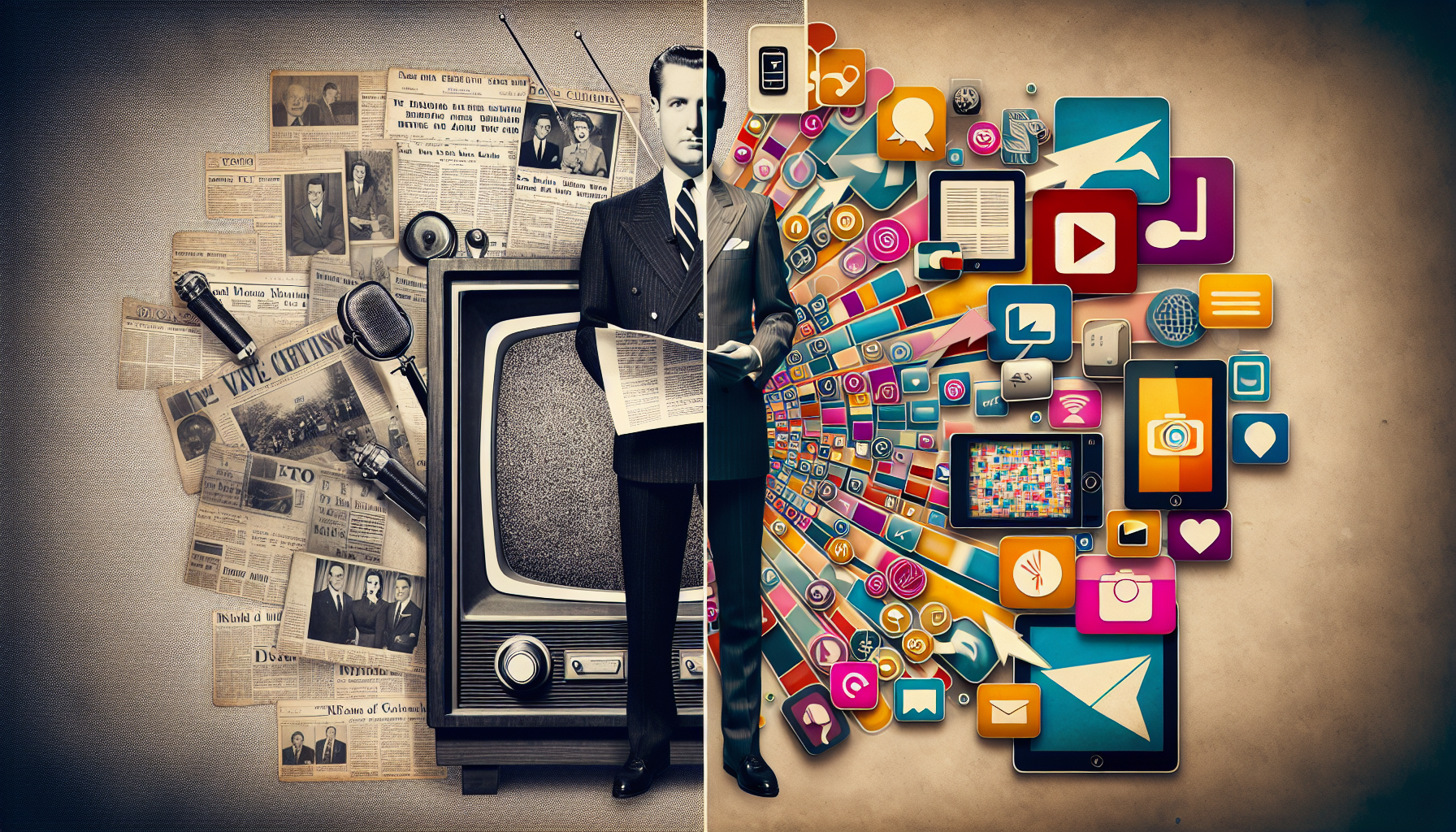
The Evolution of TV News: From Broadcast to Digital
The Birth of Television News
The origins of television news can be traced back to the late 1920s when television technology began to develop. The first experimental broadcasts offered mere glimpses into the capabilities of this new medium. In 1936, the BBC launched its regular television service, followed shortly by commercial broadcasts in the United States. This marked the dawn of television as a cornerstone for information dissemination, providing an auditory and visual experience that newspapers could not match.
The Golden Age of Television News
The 1950s and 1960s are often referred to as the “Golden Age” of television news. This period featured iconic broadcasts like Edward R. Murrow’s “See It Now” and CBS’s “Face the Nation,” which set a high standard for journalism’s role on television. Anchors such as Walter Cronkite became trusted household names, delivering news with gravitas and integrity. The Vietnam War and other significant events catalyzed the integration of on-site reporting, helping to forge a more personal connection between viewers and the news.
The Influence of Cable News
The advent of cable television in the 1980s revolutionized news broadcasting. CNN, launched in 1980, pioneered 24-hour news coverage and introduced an insatiable demand for breaking news. This shift moved the industry from scheduled broadcasts to the constant availability of news updates. Networks like MSNBC and Fox News followed suit, catering to various demographics and ideologies. These channels not only expanded the sources from which people received news but also changed the narrative structure; sensationalized stories and punditry gained ground, outperforming traditional journalistic integrity in viewer ratings.
Technological Advancements in Reporting
As technology evolved, so too did the methods of reporting. The introduction of portable video cameras and satellite technology allowed journalists to transmit live footage from virtually any location. With accessibility to remote regions and instantaneous transmission capabilities, events could be covered in real-time, altering viewers’ expectations for immediacy. Meanwhile, advancements in graphics and video editing brought sophistication to broadcasts, enhancing visual storytelling and viewer engagement.
The Rise of the Internet
The late 1990s marked the beginning of the Internet era, profoundly changing the landscape of news consumption. Print newspapers began losing readers to online platforms, as websites like CNN.com and BBC.co.uk emerged. These platforms offered not only articles but also streaming video, making news more accessible. Websites could offer a faster and more direct means of disseminating information while allowing users to select the stories they wanted to engage with, thereby altering the narrative of public consumption.
advertisement

Social Media’s Impact
With the rise of social media, particularly in the 2000s, the dynamics of news reporting and consumption morphed dramatically. Platforms like Facebook, Twitter, and Instagram provided an informal space for breaking news, rapidly spreading information around the globe. News sources began using social media to reach audiences directly and in real-time, bridging the gap between traditional reporting and audience engagement. Citizen journalism emerged as individuals began using smartphones to capture and share events, challenging the traditional gatekeeping role of news organizations.
The Shift Toward Multimedia Content
As audience preferences shifted, news organizations adapted to maintain relevance. Video content, infographics, podcasts, and interactive articles became crucial components of news delivery. Viewers began demanding more engaging formats, leading to a proliferation of multimedia storytelling in news reporting. From live-streamed interviews to TikTok explainers, these adaptations allowed news outlets to engage younger audiences who had grown accustomed to dynamic content shaped by social media trends.
Podcasting and the Democratization of News
Podcasting emerged as an essential medium for news consumption in the late 2010s. With its growing popularity, it offered in-depth analysis and conversations that traditional broadcasts could not provide. Outlets like NPR and The New York Times launched successful podcast series that attracted millions of listeners, appealing to audiences wanting comprehensive stories over brief headlines. This democratization of news allowed experts and journalists to share insights, fostering deeper connections and discussions around current events.
Ethical Challenges in the Digital Era
The transition from broadcast to digital has not come without significant ethical challenges. The easy dissemination of information online has made it difficult to distinguish credible journalism from misinformation and sensationalist media. The phenomenon of “fake news” has proliferated, complicating public trust in the media. Thus, traditional news organizations have had to work harder than ever to establish credibility, often investing in fact-checking initiatives to combat false narratives and retain audience trust.
The Future of TV News
Looking ahead, the landscape of TV news continues to evolve. The integration of artificial intelligence and data analytics into newsroom operations is poised to transform how news is gathered, reported, and consumed. AI can help analyze vast amounts of data quickly to identify trends and inform stories, while machine learning algorithms can customize content to individual user preferences. Virtual and augmented reality technologies are also on the rise, hinting at a future where news could be delivered through immersive experiences.
Additionally, streaming services like Netflix and Hulu are beginning to encroach on the territory traditionally reserved for news programs. Their investment in original documentary content and news-related programming reflects a shift in how audiences consume information. Recognizing this, established news companies are increasingly considering alternative platforms to reach younger viewers and diversify engagement strategies.
The Role of Audience Engagement
As companies explore new formats and technologies, audience engagement remains paramount. Interactive content that encourages viewers to participate in dialogues around news topics has emerged. Polls, comment sections, and social media interactions enable news organizations to gather feedback and adapt content strategies. Additionally, audience-centric storytelling prioritizes diverse perspectives, ensuring that news is not solely a one-directional transmission of information but a conversation that involves the public.
Conclusion
The evolution of TV news from its broadcast beginnings to the multifaceted digital landscape we see today reveals a remarkable journey filled with innovation and challenges. As audiences continue to demand more personalized and engaging content, news organizations will need to adapt and evolve. By embracing new technologies while upholding journalistic standards, they can navigate the changing media landscape and serve public interest effectively over the coming years.
advertisement