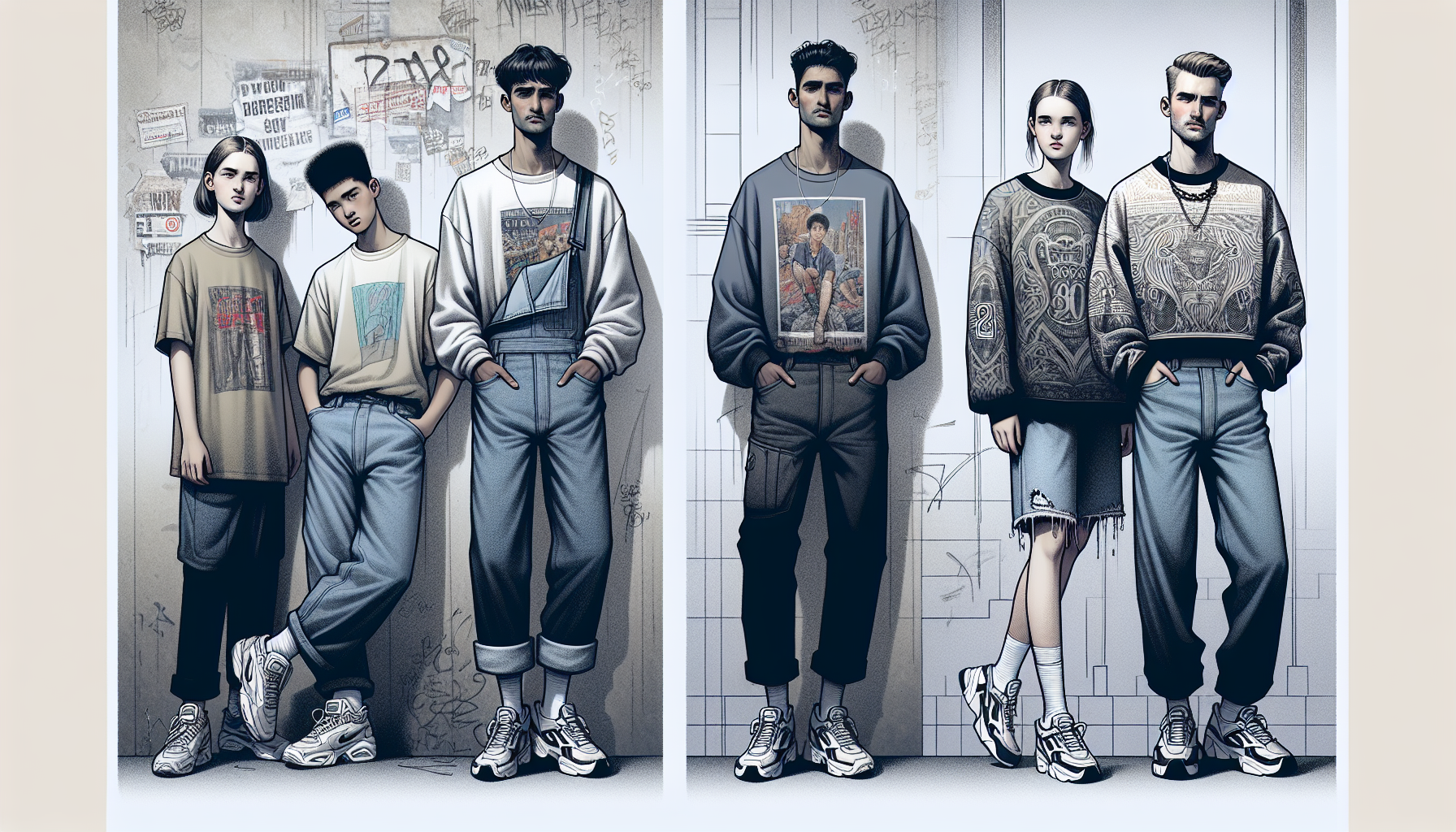
The Evolution of Streetwear: From Subculture to Mainstream
The Origins of Streetwear
Streetwear emerged in the late 1970s and early 1980s, primarily in urban settings like California and New York City. It stemmed from various influences, including skate culture, hip-hop, and punk rock. At its inception, streetwear was more than just clothing; it served as a canvas for self-expression and a way to convey rebellion against societal norms.
Skaters in California began to adopt comfortable apparel that allowed for mobility. Brands like Vans and Stüssy began to gain traction, marking the transition from traditional sporting goods to niche streetwear culture. Stüssy, founded by Shawn Stussy in 1980, was one of the first brands to popularize graphic tees adorned with logos and unique designs, catering to the skateboarding community.
In New York, the hip-hop scene burgeoned alongside the development of streetwear. Artists like Run-D.M.C. and LL Cool J began to wear oversized clothing, sneakers, and accessories that reflected their lifestyle and music culture. Designers like Dapper Dan, who customized high-end designer goods for a black audience, pushed the boundaries of fashion, mixing luxury with urban sensibilities. This early crossover of music and fashion laid the groundwork for what streetwear would become.
The 1990s – The Rise of Hip-Hop and Street Culture
The 1990s saw the explosive growth of streetwear, largely propelled by the rise of hip-hop culture. Key influences included the emergence of artists like Tupac, Notorious B.I.G., and A Tribe Called Quest, who not only dominated the music scene but also shaped fashion trends. Streetwear brands like FUBU, Wu-Wear, and Ecko Unltd. emerged, aimed at harnessing the hip-hop aesthetic while catering specifically to urban youth.
advertisement

The collaboration of streetwear and luxury began with brands like A Bathing Ape (BAPE), founded by Nigo in 1993 in Tokyo. BAPE popularized the concept of limited releases, creating an aura of exclusivity that would become a hallmark of streetwear. The brand’s iconic camouflage patterns and ape logo transformed it into a status symbol among collectors.
Meanwhile, American designers like Karl Kani and Tommy Hilfiger began to take note of the growing trend. They introduced lines that catered specifically to urban tastes, bridging the gap between high fashion and street sensibilities.
The 2000s – The Explosion of Hype Culture
As the new millennium approached, streetwear began to infiltrate mainstream consciousness. The 2000s were characterized by the growing phenomenon known as “hype culture,” which combined scarcity, demand, and street cred. The sneaker culture, in particular, exploded, with brands like Nike and Adidas releasing limited-edition sneakers that became highly coveted.
Supreme, founded by James Jebbia in 1994, became emblematic of this hype-driven market. Supreme’s collaborations with established brands like Nike, as well as its in-house drops, created significant anticipation and demand. The iconic box logo hoodie became a wardrobe staple, representing street credibility and a connection to the brand’s skate culture roots. Supreme’s strategic retail locations, primarily in major cities, heightened its allure and made it a cultural touchstone in streetwear.
Additionally, personalities like Kanye West and Pharrell Williams leveraged their influence in the music industry to crossover into fashion. Kanye’s Yeezy brand with Adidas changed the sneaker landscape, showcasing how celebrity collaborations can drive consumer interest and sales. The launch of Yeezy Boosts redefined sneaker releases, creating a new era of massive online drops and resale markets.
The 2010s – The Merging of High Fashion and Streetwear
The 2010s marked a watershed moment as streetwear transitioned further into high fashion territory. Renowned designers began integrating streetwear elements into their collections. Brands like Off-White, founded by Virgil Abloh in 2012, blended deconstructivist aesthetics with streetwear influences that appealed to a luxury consumer base.
Fashion weeks around the world witnessed streetwear brands showcasing their collections alongside traditional high fashion houses. The rise of sneaker culture saw collaborations between high-end brands, such as Balenciaga’s Triple S sneakers and Gucci’s Ace sneakers, demonstrating that streetwear was no longer confined to urban locales but had become a major player in the global fashion industry.
The concept of ‘drop culture’ intensified, with major brands adopting the model of releasing limited-edition collections to build hype. This added urgency and excitement, creating a sense of community among fans who camped out for hours to secure items.
Social media played a crucial role during this period, allowing brands to engage directly with their audience. Platforms like Instagram and TikTok enabled streetwear influencers and communities to share and promote styles without the filter of traditional advertising. This shift democratized fashion trends, leading to the rise of micro-influencers and grassroots movements that further promoted streetwear aesthetics.
Technological Influence and the Digital Age
As society moved deeper into the digital age, the intersection of technology and streetwear became increasingly apparent. E-commerce platforms revolutionized how streetwear brands connected with consumers. The rise of online marketplaces like Grailed and StockX facilitated a booming resale market, allowing the trading of coveted pieces—often marking significant increases in prices for limited-edition items.
Moreover, the advent of social media platforms like Instagram allowed brands to cultivate followings without traditional marketing strategies. Brands that embraced inclusivity and diversity resonated successfully with younger audiences. Brands like Fear of God, founded by Jerry Lorenzo, spotlighted street luxury and increased awareness of designer streetwear among mainstream audiences.
Streetwear also began to encompass broader cultural conversations, including topics of social justice, representation, and ethics in fashion. Brands such as Telfar gained popularity for their commitment to accessible luxury, creating bags that were both stylish and affordable, while simultaneously addressing issues of representation and inclusivity.
The surge of eco-consciousness also influenced the market, with brands like Re/Done revitalizing vintage wear, and promoting sustainability while maintaining aesthetics appealing to the streetwear community. This merging of values and aesthetics marked a notable evolution within the streetwear space.
Collaboration Culture: The Heart of Modern Streetwear
Collaboration has emerged as a defining characteristic of contemporary streetwear. High-profile partnerships between streetwear brands and luxury houses or cultural icons have generated immense buzz and desirability. The collaboration between Travis Scott and Nike exemplifies how music culture continues to influence fashion, as his limited-edition Jordan releases became a monumental success.
Moreover, collaborations between streetwear and non-fashion brands offer fresh perspectives and attract diverse audiences. From streetwear-influenced furniture lines to tech brands creating exclusive merchandise, the fashion environment continuously evolves, blurring the lines between categories and genres.
The Impact of Diversity and Inclusivity
The evolution of streetwear has paved the way for discussions on diversity and representation in fashion. The industry now faces a growing demand for inclusivity across gender, race, size, and culture. Emerging streetwear designers are harnessing their unique cultural perspectives to craft narratives that celebrate diversity and challenge traditional beauty ideals.
Streetwear brands are increasingly designing for broader audiences, recognizing that the original ethos of streetwear was rooted in individual expression and inclusivity. Initiatives promoting collaborations with underrepresented designers and communities are gaining traction, signaling a shift in prioritizing equitable representation.
Looking Ahead: The Future of Streetwear
As streetwear continues to evolve, it faces the dual challenge of retaining its authenticity while appealing to an ever-expanding global audience. The genre has grown profoundly since its early days as a subculture, and its presence is firmly established within the fashion realm.
Brands must remain authentic to their roots, leverage technology to advance sustainability, and respond to consumer demand for inclusivity. New generation designers will play a pivotal role in redefining the ethos and aesthetics of streetwear, ensuring that it remains flexible and reflective of contemporary society.
With cultural exchange now instantaneous and accessible, the future of streetwear promises to innovate even further. As designers, artists, and consumers continue to collaborate across social platforms, the streetwear narrative is likely to shift, embracing new influences while remaining firmly grounded in its rich history of self-expression and community connection.
Key Takeaways
The evolution of streetwear showcases a journey from a niche subculture into a mainstream fashion force, seamlessly intertwined with music, technology, and cultural commentary. As it progresses into new territories, streetwear keeps engaging with its roots while innovating for the future. The journey continues for streetwear, shaped by collaborations, consumer demands, and a commitment to diversity, showcasing that the heart of culture is often found in the streets.
advertisement