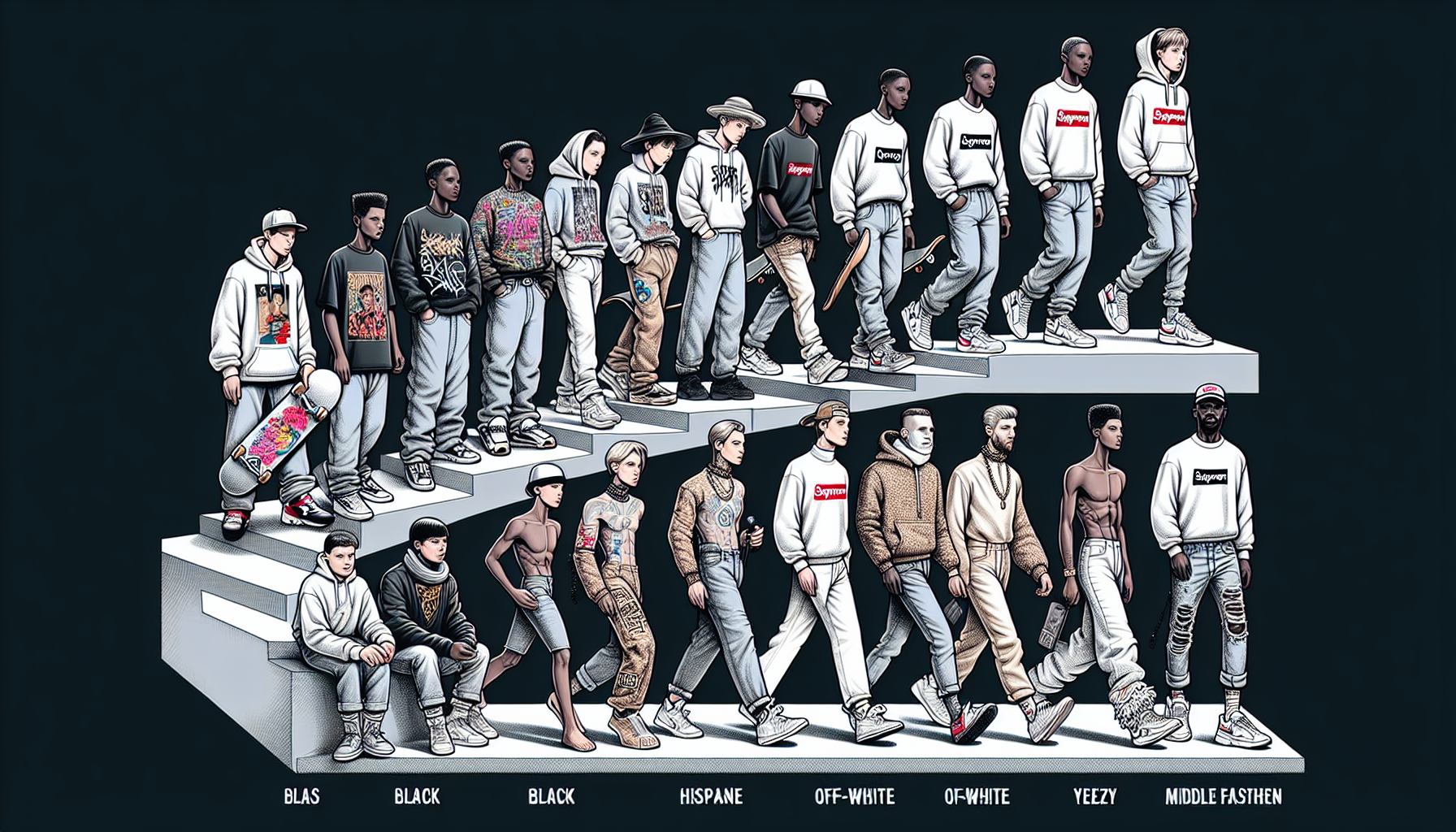
Origins of Streetwear: The Skate Culture Era
Streetwear has its roots deeply embedded in the skate culture of the 1980s and early 1990s. Originating in California, this subculture emerged from the skateboarding community, where casual clothing was essential for practice and lifestyle. Brands like Dogtown and Z-Boys began to influence the look, integrating laid-back aesthetics. Graphic tees, baggy pants, and skate shoes formed the backbone of the streetwear wardrobe.
Skateboarding was not just a sport; it was a lifestyle, and those who participated embraced a unique way of expressing themselves through fashion. DIY culture played a significant role as skaters often customized their apparel, creating a distinctive style that highlighted individuality. This authenticity resonated with youth culture, leading to the birth of an entire fashion genre.
The Influence of Hip-Hop
As the 1980s progressed, hip-hop began to infiltrate the streetwear scene. Artists like Run-DMC and the Beastie Boys showcased a style that combined urban aesthetics with music culture. Baggy jeans, oversized tees, and sneakers became emblematic of this new wave. Fashion brands such as FUBU (For Us, By Us) emerged, emphasizing the importance of identity and cultural pride within urban communities.
The fusion of skate and hip-hop contributed to a more inclusive streetwear culture. Graphic tees featuring bold designs and logos became staples, and the use of accessories like snapback hats and gold chains became fashionable. This synergy set the stage for streetwear’s growth beyond niche communities, attracting a broader audience.
The Rise of Dedicated Streetwear Brands
Towards the late 1990s and early 2000s, the transition from skate culture to streetwear diversified significantly. Brands like Stussy, Supreme, and A Bathing Ape (BAPE) took the spotlight, emphasizing limited editions and exclusivity. This new business model turned streetwear into a collector’s item, appealing to consumers’ desires for unique pieces.
advertisement

Stussy, founded by Shawn Stussy, was one of the first brands to cement the connection between skaters and surfers, promoting a lifestyle that was carefree yet fashion-forward. Supreme, established in New York City in 1994, pioneered the concept of “drops,” releasing limited quantities of clothing in a way that created hype and urgency. This approach not only boosted desirability but also transformed the way individuals view consumerism in fashion.
Collaborations and Cross-Pollination
The early 2000s witnessed a wave of collaborations that further blurred the lines between streetwear and high fashion. Supreme’s partnership with prominent brands like Nike and Louis Vuitton highlighted the growing acceptance of streetwear in upscale markets. Collaborations brought streetwear into luxury spaces, making bold statements about identity and culture.
High-profile artists and designers began to take notice, fostering a newfound respect for streetwear. Designers like Virgil Abloh of Off-White and Kim Jones of Dior started their careers within streetwear, showcasing the genre’s substantial artistic merit. Their entry into the fashion landscape demonstrated that streetwear was not merely a trend but a formidable force in style.
Globalization and International Influences
As streetwear evolved, it soon transcended geographical boundaries and cultural contexts. Globally, cities like Tokyo, London, and Paris cultivated their unique interpretations of streetwear. Japanese streetwear, for instance, embraced avant-garde aesthetics, pushing the boundaries of traditional designs. Brands like Undercover and Neighborhood combined high-quality craftsmanship with rebellious philosophies.
Simultaneously, Europe offered a distinctive twist on the streetwear vibe, integrating more tailored silhouettes while maintaining a casual edge. Influence from football culture added a sporty luxe feel, while brands like Off-White and Balenciaga stirred the pot by marrying high fashion with street sensibilities.
Technology and the Digital Revolution
The advent of social media reshaped the way streetwear is marketed and consumed. Platforms like Instagram, Twitter, and TikTok allowed brands to engage directly with their audience, fostering communities centered around shared aesthetics and values. Influencers became crucial in spreading streetwear culture, developing a new form of marketing that bypassed traditional pathways.
This accessibility led to the rise of “resale culture,” where consumers began to buy and sell limited-edition pieces at astronomical prices. Websites and apps like StockX and Grailed emerged, facilitating a lucrative secondary market that changed streetwear economics irrevocably. Such platforms proved that a piece of clothing could transcend its original value, driven by rarity and demand.
Streetwear’s Impact on High Fashion
The transition from streetwear to high fashion is one of the most significant phenomena of the 21st century. Luxury brands increasingly adopted streetwear’s casual aesthetic, with collections often blending street and couture styles. Fashion shows began to reflect urban culture, showcasing oversized silhouettes and street-inspired accessories, encapsulating the diversity of fashion expression.
While traditional fashion emphasized exclusivity and formality, streetwear redefined what luxury meant. Brands began to celebrate youth culture, crafting narratives around authenticity and urban identity. The line between street and luxury fashion blurred, culminating in a landscape where both realms could thrive independently or collaboratively.
The Sustainability Movement
With streetwear’s ongoing evolution, a growing approach towards sustainability has also become essential. Brands like Patagonia and Allbirds have emerged as leaders in eco-conscious practices. The shift toward sustainable materials and transparent sourcing is partly due to the current generation’s values, who increasingly prioritize ethical production alongside style.
Streetwear brands, particularly those focused on street culture, have started to integrate these principles into their ethos. Initiatives for repairing clothing, upcycling materials, and emphasizing slow fashion have garnered attention and respect, responding to consumer demand for conscientious practices.
The Future of Streetwear
The trajectory of streetwear continues to be defined by change. As fashion evolves, trends come and go, but streetwear remains a fundamentally adaptable entity. It retains its core appeal of authenticity and individual expression. The rise of new technologies, such as virtual reality and changing media, may open up new avenues for designers to innovate further.
Furthermore, the unique expression of locality and personal identity will keep streetwear relevant as it resonates culturally across different demographics. Whether it is through collaborations between streetwear brands and high fashion houses or the push toward sustainability, the future promises to be as dynamic and diverse as the communities from which this genre stems.
Conclusion
Streetwear’s evolution from a niche skate culture to a global fashion phenomenon underscores its transformative power. It embodies a reflection of contemporary youth culture and social dynamics, making it a critical aspect of the fashion industry today. As the lines between casual and high fashion continue to blur, streetwear stands tall, creating a tapestry of identity, innovation, and culture that drives the future of style.
advertisement