The Origin of Streetwear
Streetwear emerged in the late 1970s and early 1980s, primarily within the skate and surf culture of California. As a response to mainstream fashion, it blended utilitarian clothing with urban aesthetics. Pioneering brands such as Stüssy laid the foundation for what would become a global phenomenon. The streetwear movement drew inspiration from various sources, including punk rock, hip-hop, and graffiti art, creating a distinct cultural identity that resonated with youth and marginalized communities.
The Role of Skate Culture
Skateboarding was a vital influence on the formation of streetwear. As skaters sought functional yet stylish clothing, brands began catering to their needs. Skate crews like the Z-Boys in California showcased a lifestyle that was both rebellious and creative. This underground ethos expanded into mainstream consciousness through documentaries and films that celebrated the grit and culture of skating. Brands like Vans and Thrasher magazine became synonymous with this lifestyle, shaping the perception of streetwear.
The Hip-Hop Influence
Simultaneously, the hip-hop scene of the 1980s played a prominent role in shaping streetwear. Artists like Run-D.M.C. and LL Cool J popularized oversized jerseys, baggy pants, and influential sneaker designs. This fusion of music and fashion allowed streetwear to transcend subcultural boundaries, appealing to a broader audience. Hip-hop icons leveraged fashion to express their individuality, cementing the idea that clothing could serve as a canvas for personal stories and societal commentaries.
The 1990s: The Birth of Iconic Brands
The 1990s saw the emergence of iconic streetwear brands such as Supreme, A Bathing Ape (BAPE), and Neighborhood. Supreme, founded in 1994 in New York City, was known for its unique approach to drops, often creating hype through limited releases of highly sought-after products. BAPE, founded in Japan, became prominent for its bold designs and distinctive camo patterns, creating a cult-like following.
These brands capitalized on the burgeoning internet culture, using social media and forums to cultivate their communities. The concept of “hype” began to take shape, with streetwear enthusiasts queuing for hours to acquire the latest drops. Limited edition releases created a sense of exclusivity, elevating streetwear from mere clothing to status symbols.
advertisement

The Intersection with High Fashion
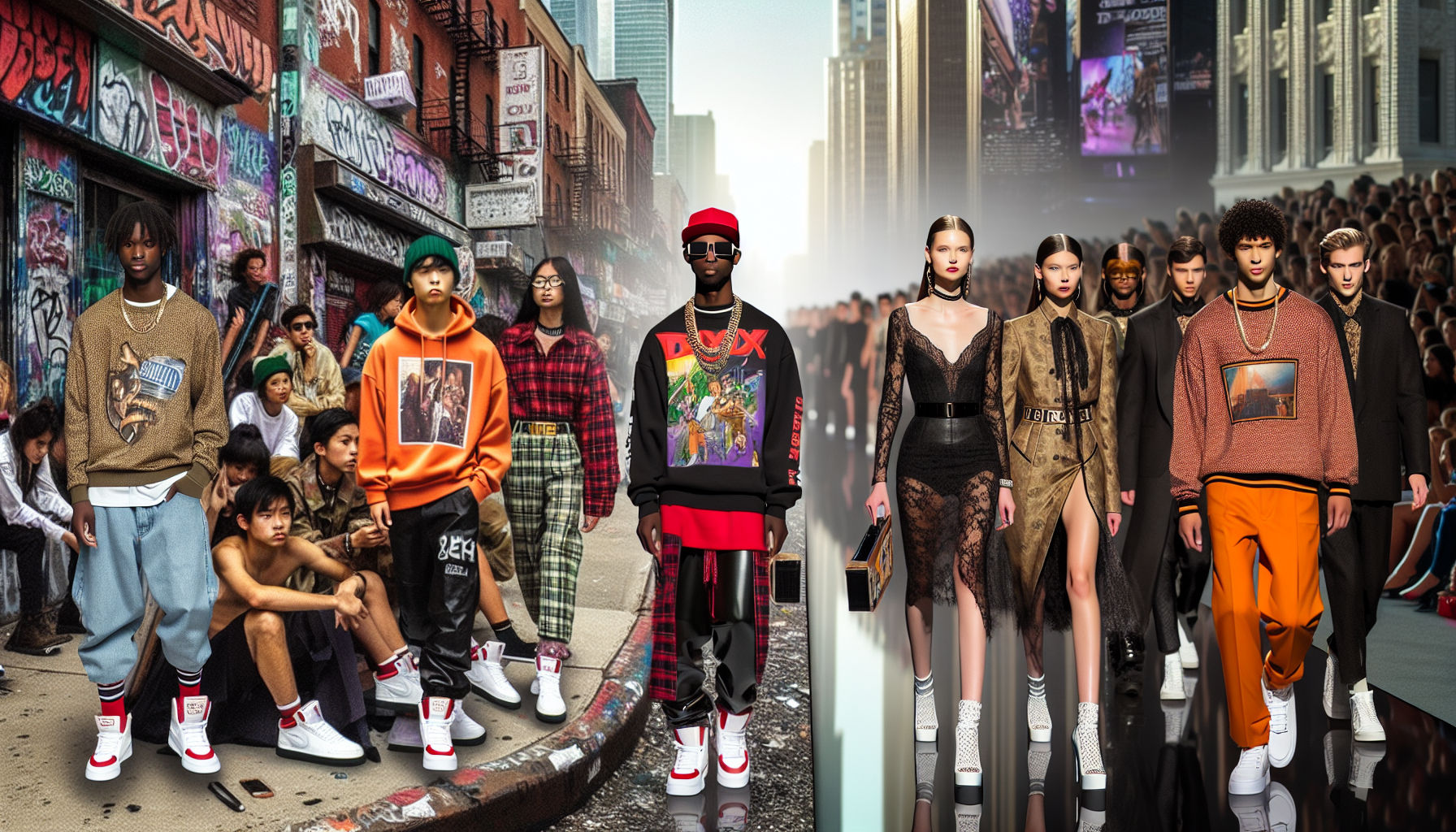
As the 2000s progressed, streetwear began to attract the attention of high fashion. Designers such as Marc Jacobs and Francesco Russo recognized the growing influence of streetwear and began collaborating with street brands. These partnerships allowed for the cross-pollination of ideas, aesthetics, and culture, challenging the traditional boundaries of luxury fashion.
In 2013, the collaboration between Kanye West and A.P.C. introduced the world to luxury streetwear, creating a significant impact on how streetwear was perceived in fashion circles. The Yeezy brand subsequently revolutionized sneaker culture, blending high fashion with street aesthetics. The demand for exclusive pieces, often characterized by minimalism and muted colors, captivated consumers and established Yeezy as a leader in the industry.
The Role of Celebrities and Influencers
The rise of social media in the 2010s changed the landscape of streetwear, allowing influencers and celebrities to dictate trends and style. Figures like Virgil Abloh, who led Off-White, blurred the lines between streetwear and luxury, bringing avant-garde ideas into mainstream fashion. Celebrities such as Rihanna, Travis Scott, and A$AP Rocky embraced streetwear, showcasing it on global platforms, further driving its popularity.
Platforms like Instagram and TikTok fueled trends almost instantaneously, allowing users to share their styles and fashion inspiration. The rise of “Instagram boutiques” enabled small brands to find their niche, often carving out a space in the hyper-competitive streetwear market. Social media not only democratized fashion but also created a feedback loop, where trends could emerge and fade more quickly than ever.
The Importance of Collaboration
Collaboration continues to be a driving force within the streetwear sector. Partnerships between streetwear brands and luxury fashion houses or even sportswear brands have resulted in uniquely sought-after items. Notable collaborations include Nike’s collaboration with Off-White and the iconic Air Jordan sneakers, which have redefined sneaker culture as an artistic expression.
Moreover, the participation of high-profile designers in streetwear collections, exemplified by the likes of Pharrell Williams and his collaboration with Adidas, showcases the versatility and resilience of streetwear. These collaborations allow both parties to leverage their audiences, creating buzz and expand their market reach.
The Globalization of Streetwear
As streetwear gained traction globally, cultural influences began to merge. Japanese streetwear brands became prominent players in the international scene, introducing unique interpretations of street style. The rise of K-Pop culture also influenced the global acceptance of streetwear, as idols adopt various streetwear brands, blending luxury with casual aesthetics.
Furthermore, cities like Paris, London, and Seoul have established themselves as centers of street fashion, giving rise to new brands that reflect their unique cultural identities. Each city adds its local flavor, enhancing the global streetwear narrative, making it an exciting tapestry of cultural influences.
The Current State of Streetwear
Today, streetwear is perceived both as a widespread lifestyle choice and an established industry. Major fashion weeks now feature streetwear brands alongside traditional luxury houses, indicating its entrenched position in modern fashion. Celebrities continue to collaborate, and consumers remain eager to connect their identities with the brands they support.
Despite its commercialization, streetwear maintains its roots in community and culture. Emerging designers often prioritize sustainability and ethical manufacturing, aligning with a conscious consumer base that demands transparency. The concept of “brand loyalty” is now being redefined as consumers seek to support brands that resonate with their values.
The Future of Streetwear
As streetwear continues to evolve, it faces new challenges and opportunities. The balance between maintaining authentic roots while achieving commercial success will remain a critical conversation within the industry. The rise of digital fashion, including virtual clothing for avatars in gaming and the metaverse, presents new avenues for brands to explore.
Moreover, the ongoing dialogue surrounding issues of cultural appropriation and representation will influence how brands position themselves within the market. Forging connections with community origins and promoting inclusivity will be essential in ensuring the authenticity of streetwear as it grows.
Key Takeaways
The evolution of streetwear from a countercultural movement to a multimillion-dollar industry showcases its ability to adapt and resonate with diverse audiences. Drawing connections from skate culture and hip-hop to luxury fashion and celebrity influence, streetwear embodies the spirit of innovation, creativity, and rebellion. Its journey is a testament to the cultural significance of clothing as a form of self-expression, navigating through different eras and societal changes.
advertisement