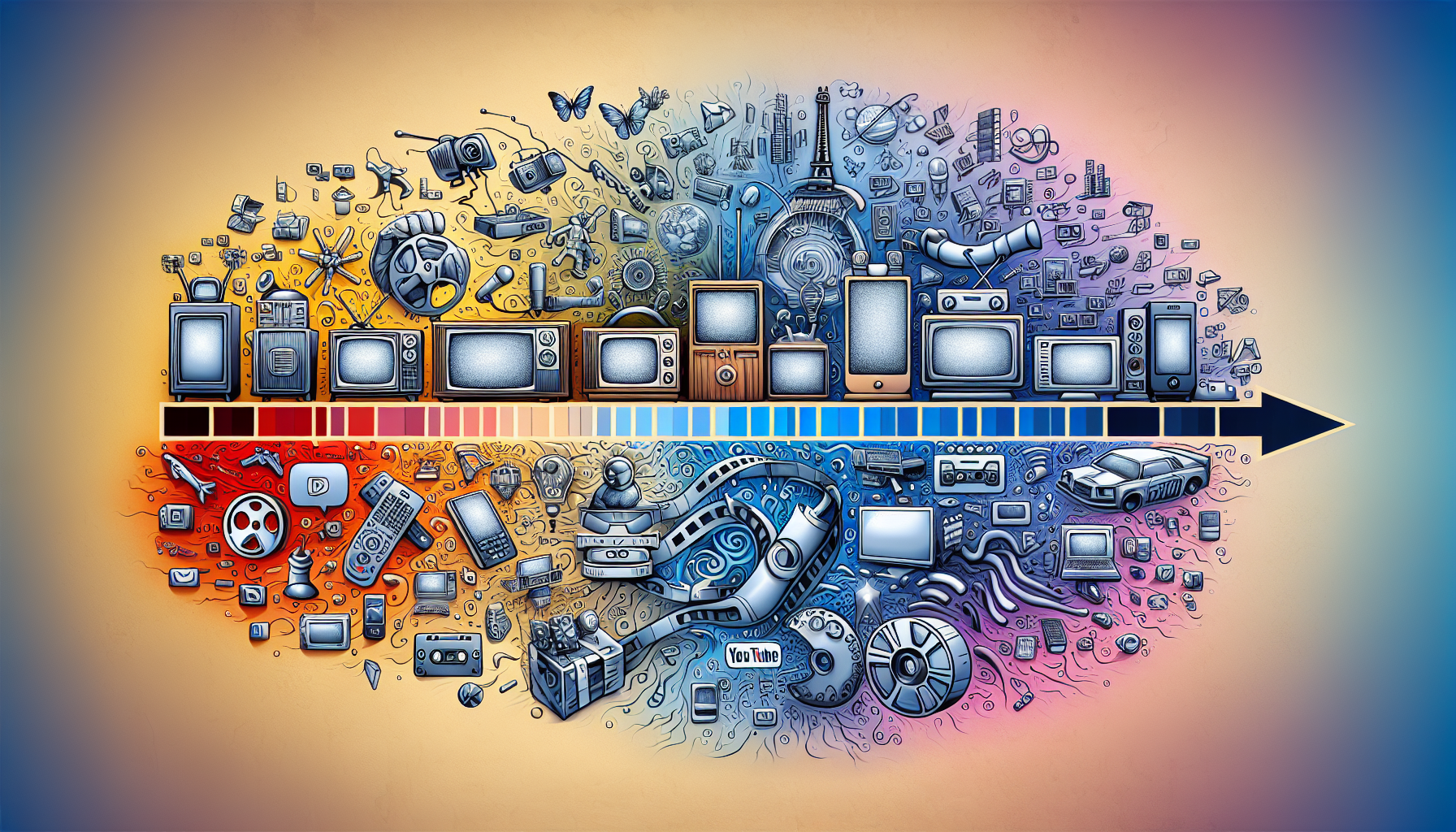
The Evolution of Streaming Services: What’s Next for Entertainment
The Early Days of Streaming
Streaming began to reshape the entertainment landscape in the late 1990s and early 2000s. Companies like RealNetworks and Microsoft introduced streaming technologies that allowed users to access audio and video content over the internet without having to download entire files. Early streaming services focused mainly on music. MP3.com launched in 1999 as one of the first platforms allowing users to upload and listen to their favorite tracks without downloads.
In 2005, YouTube emerged as a revolutionizing platform for video content, democratizing the distribution of videos. This change was pivotal: now anyone could produce and share videos with a global audience. As internet speeds increased and broadband became more common, viewers began favoring streaming over traditional media consumption.
Rise of On-Demand Platforms
The mid-2000s saw the rise of on-demand platforms. Netflix, originally a DVD rental service launched in 1998, pivoted to an online streaming model in 2007, allowing users to watch movies and shows without waiting for physical media. The success of Netflix set off a chain reaction, leading to the emergence of multiple streaming services like Hulu (launched in 2007) and Amazon Prime Video.
Hulu gained traction by offering a hybrid model of ad-supported and subscription content, allowing consumers the flexibility to choose. This model became a blueprint for future services. The rapid expansion of mobile technology and Wi-Fi accessibility made streaming more convenient and preferred by the consumer.
Original Content and Competitive Landscape
The 2010s marked the emergence of original content as a significant draw for streaming platforms. Netflix broke new ground with the release of “House of Cards” in 2013, signaling a shift in how content was not only distributed but also created. The success of original programming gained attention — it wasn’t just about binge-watching; platforms began to pour resources into developing exclusive titles to attract subscribers.
advertisement

Other platforms followed suit. Amazon Prime Video introduced original shows like “Transparent” and “The Marvelous Mrs. Maisel,” while Hulu created hits like “The Handmaid’s Tale.” This original content strategy emphasized quality storytelling and overcame the initial public skepticism that streaming services might solely rely on reruns or low-budget productions.
The Subscription Model and User Experience
The subscription-based model became increasingly popular around this time. With a nominal monthly fee, consumers gained access to vast libraries of films, series, documentaries, and more. The model proved lucrative. By 2019, Netflix had over 150 million subscribers globally, demonstrating the appeal of ad-free content.
Simultaneously, user experience became a core area of focus. Algorithms started to influence the way content was presented to users, allowing for a personalized experience that catered to individual preferences. This was not just about presenting titles; it was about suggesting personalized recommendations based on user behavior. Autoplay features, binge-watch capabilities, and curated lists became industry standards.
International Expansion and Varied Content
The global expansion of streaming services has also transformed the nature of content available. By entering international markets, platforms began to cater to diverse cultural backgrounds and preferences. Netflix, for instance, invested heavily in local production in countries such as India, South Korea, and Brazil, creating regional hits like “Money Heist” and “Sacred Games.”
Other services followed suit. Disney+ launched with a focus on family content and nostalgia, leveraging Disney’s extensive library. HBO Max emphasized premium content with a robust library of blockbuster films and award-winning series. This diversification underscored an important trend: streaming platforms were not merely competing for viewership; they were battling for cultural relevance in a global marketplace.
The Shift Towards Live Streaming
As platforms garnered larger audiences, a noticeable shift toward live streaming occurred. Services like Twitch, which initially focused on video game streaming, saw explosive growth, paving the way for entertainment beyond traditional formats. Twitch enabled content creators to engage directly with their audiences in real time.
Additionally, traditional sports leagues began exploring streaming. ESPN+ entered the fray, providing access to live sports that previously required cable subscriptions. As audiences gravitated towards real-time engagement, the need to adapt was clear. Therefore, many platforms began integrating live events as part of their offerings, enhancing their portfolios to include both on-demand and live content.
The Future of Streaming: Emerging Trends and Technologies
Integration of Interactive Content
The next wave of streaming is expected to incorporate more interactive content. Building on the success of interactive shows like “Black Mirror: Bandersnatch,” streaming services are poised to create more immersive experiences. This could lead to a blend of gaming and traditional viewing, allowing users to make choices that impact storylines.
Enhanced Personalization with AI
Personalization will reach new heights with advancements in artificial intelligence (AI). The algorithms that shape recommendations will grow increasingly sophisticated, analyzing user behavior and preferences in real time. This will mean not just better suggestions but also tailored advertising and promotional strategies for specific user segments.
Virtual and Augmented Reality
As virtual reality (VR) and augmented reality (AR) technologies develop, streaming services may begin incorporating these elements into their offerings. Imagine a movie viewed in VR, where the viewer is “inside” the film, or AR features enhancing live sports with real-time statistics. These technologies could redefine viewer engagement and broaden the concept of “watching” content entirely.
New Revenue Streams: Ad-Supported Models
Despite the general trend towards subscription models, many platforms are exploring ad-supported options. Hulu’s hybrid model paved the way, demonstrating that free or lower-cost access to content could generate revenue through advertising. More platforms are introducing ad-supported tiers to accommodate more viewers while also diversifying revenue streams. With targeted advertising strategies on the rise, consumers may see an increase in relevant ads without compromising their viewing experience.
Content Ownership and Licensing Dynamics
As original content creation flourishes, the dynamics around content ownership and licensing will evolve. Platforms increasingly invest in their own intellectual property, creating franchises that can span multiple media types, including merchandise, games, and live experiences. This trend towards ownership could reshape how content is monetized and distributed across different channels.
The Regulatory Landscape
As streaming services grow, regulatory scrutiny around privacy issues, intellectual property rights, and anti-trust laws is expected to heighten. Governments worldwide are beginning to monitor the concentration of content ownership and its implications for fair competition. Transparency in how data is used for personalization and advertising is essential as well, particularly in an era where data protection has become a critical concern for consumers.
Conclusion
The evolution of streaming services has fundamentally transformed the entertainment industry, shaping how content is created, distributed, and consumed. The advancements in technology and varied content offerings have created an increasingly competitive landscape.
With interactive experiences, advanced personalization, and a shift towards immersive content expected to define the future, streaming services are at an inflection point. The ongoing challenge will be balancing creativity with regulatory and technological changes while continuing to meet the demands of an ever-evolving audience. As we look ahead, the question becomes not just about who will dominate the streaming space, but how this evolution will reshape the very nature of entertainment in the coming years.
advertisement