The Evolution of Pop Music in the Digital Age
The Rise of Digital Technologies
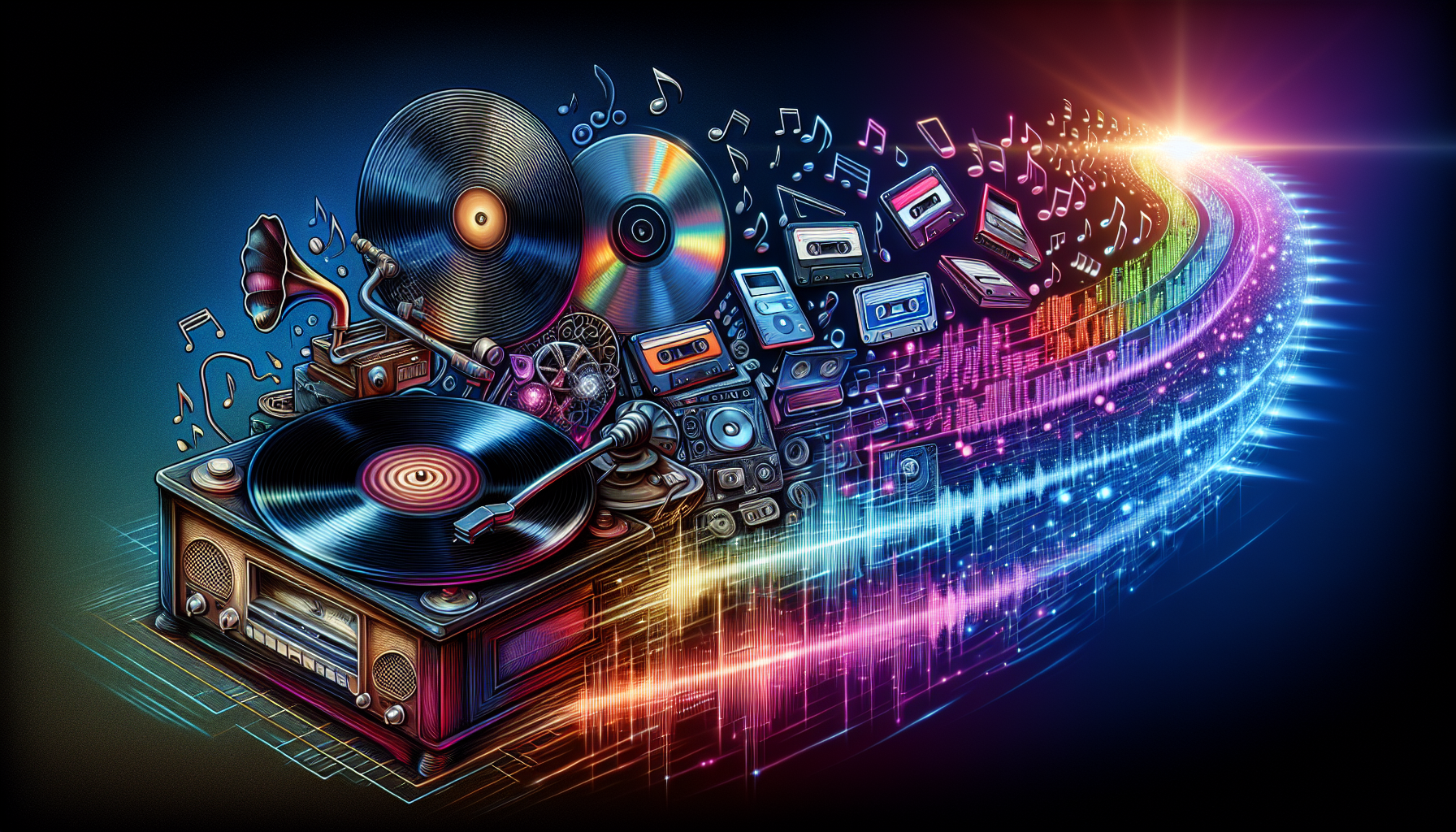
The evolution of pop music in the digital age has been nothing short of revolutionary. The widespread integration of the internet and digital technology has transformed how music is produced, distributed, and consumed, influencing the very fabric of pop culture. In the late 1990s, MP3 technology and the advent of peer-to-peer file sharing changed the music landscape forever. Illegal downloads proliferated, leading record labels to re-evaluate traditional sale models. By the early 2000s, platforms such as Napster and LimeWire facilitated a new wave of accessibility, creating a seismic shift in the industry.
Streaming Platforms Reshaping Music Consumption
With the fall of physical sales, streaming platforms emerged as the primary way listeners consumed music. Services like Spotify, Apple Music, and YouTube revamped how audiences interacted with their favorite artists. By offering vast libraries of songs at users’ fingertips, these platforms introduced significant changes to how popularity is defined. The concept of album sales became less relevant, supplanted by single-track consumption where hits could dominate charts without a cohesive album.
According to industry statistics, Spotify recorded over 345 million users, with 155 million of them paying for a subscription by mid-2021. This rise in streaming has changed the marketing dynamics of pop music, with “playlisting” becoming essential for artists. Curated playlists like “Today’s Top Hits” can launch a song into the spotlight, courtesy of algorithms that promote interface engagement over traditional album-based consumption.
advertisement

Social Media and Viral Trends
Social media platforms like TikTok, Instagram, and Twitter have also played a crucial role in the pop music landscape. TikTok, for instance, has emerged as a breeding ground for viral music trends. Songs become popular not necessarily for their radio play but through dance challenges, memes, and clips shared across the platform. Hits like “Old Town Road” by Lil Nas X gained traction on TikTok, showcasing the platform’s influence on chart performance. Viral challenges prompt user-generated content, turning everyday users into promoters and reshaping traditional marketing strategies.
Artists harness social media to build their brands, engage with fans directly, and promote innovative content. Behind-the-scenes footage, candid moments, and live Q&As have created a deeper, more intimate connection between artists and fans. Established figures like Taylor Swift and Ariana Grande actively utilize these platforms to control their narratives and respond to public events in real-time.
Impact of Music Production Technologies
Advancements in music production technology have democratized the creation of pop music. High-quality recording tools and digital audio workstations (DAWs) like Ableton Live and FL Studio enable aspiring musicians to produce professional-quality tracks from their bedrooms. Access to affordable production tools means that a wider array of voices can enter the pop music sphere, resulting in a diversification of sounds and genres.
Moreover, technology allows for greater experimentation. The genre-blending characteristic of modern pop music owes itself to producers and artists who are no longer confined to traditional boundaries. Genres like trap, R&B, and even indie elements have found their way into mainstream pop, leading to the emergence of hybrid styles. Artists such as Billie Eilish embody this evolution, combining elements of pop with electronic and acoustic soundscapes, thereby reshaping listener expectations.
The Globalization of Pop Music
The digital age has also ushered in a new era of globalization in pop music. Artists from non-Western countries have gained international prominence, breaking down previous localization barriers. K-pop, for instance, has exploded into the global mainstream, with groups like BTS and BLACKPINK topping international charts. The internet has allowed these artists to transcend geographical boundaries, establishing massive fanbases outside their home countries.
Moreover, pop music has increasingly incorporated diverse cultural influences. The cross-pollination of styles—such as reggaeton, afrobeats, and Latin pop—has led to a rich tapestry of sounds that resonate across global audiences. The success of Despacito, featuring Luis Fonsi and Daddy Yankee, exemplifies this trend, showcasing how cultural crossover can lead to monumental chart success.
The Role of Data and Analytics in Music Trends
Data analytics has become paramount in shaping the direction of pop music. Artists and labels employ sophisticated algorithms to gauge listener preferences and predict trends. Streaming platforms provide access to real-time analytics, allowing musicians to tailor their marketing strategies based on audience engagement. This data-driven approach is changing how music is made and marketed, focusing on what resonates with listeners.
Moreover, fan interactions, listening habits, and feedback impact creative decisions, often reshaping the artist’s vision based on popularity metrics. This symbiotic relationship empowers fans, who play an active role in an artist’s success, essentially granting them a ‘vote’ on what should be produced next.
Challenges Facing Artists Today
Despite the myriad opportunities presented by the digital age, pop musicians face significant challenges. Revenue generation structures have shifted dramatically, with streaming services often paying artists a fraction of a cent per stream. This has led to a stern conversation about fair compensation in the music industry. Artists may now need millions of streams to earn a sustainable income, forcing many to rely on live performances and merchandise for earnings.
Additionally, the overwhelming volume of content available today creates a crowded marketplace, making visibility a perennial challenge. With tons of songs released daily, maintaining relevance requires constant engagement and innovative marketing tactics. Artists are often compelled to produce content consistently, risking burnout while striving to maintain audience interest.
The Future of Pop Music in the Digital Landscape
As technology advances, the pop music landscape will likely experience further innovations. The integration of artificial intelligence in music production, for instance, poses intriguing possibilities for personalized music experiences. Applications that curate music based solely on individual tastes could redefine how pop hits are created and enjoyed.
Virtual reality and augmented reality might one day enhance live music experiences, allowing fans to experience concerts in immersive environments from the comfort of their homes. The concept of the metaverse is already drawing attention, with artists beginning to craft experiences that blend virtual and physical worlds, revolutionizing how fans engage with their favorite acts.
In addition to technological advances, the continued blending of genres and styles will further diversify the pop arsenal. Artists will likely continue to draw inspiration from global influences, making pop music a rich and eclectic fusion of sounds that reflect a dynamically interconnected world.
Final Thoughts on Digital Age Pop Music Trends
The evolution of pop music in the digital age illustrates a thrilling multifaceted landscape marked by relentless change. From production techniques and distribution methods to consumer engagement and genre innovation, the digital age has incentivized experimentation and democratization in music like never before.
As we move forward, one cannot overlook the ongoing adaptation required from artists, producers, and industry leaders alike. The digital landscape is fluid, necessitating agility and resilience in the face of ever-evolving trends. Engaging storytelling, cross-cultural collaborations, and innovative consumption experiences are just a few key elements likely to shape the next chapter in pop music’s saga.
The digital age has undeniably redefined pop music, creating an exciting, albeit challenging, environment ripe with possibilities for both established and emerging artists.
advertisement