The Evolution of PlayStation: A Journey Through Gaming History
1. The Birth of PlayStation: A Revolutionary Concept
In the early 1990s, gaming was in a transitional phase. The dominance of 16-bit consoles like the Super Nintendo and Sega Genesis marked an era of platform-based competition. Amidst this landscape, Sony’s foray into gaming began with a failed collaboration with Nintendo to create a CD-ROM add-on for the Super Nintendo. When this project dissolved, Sony recognized the opportunity to develop its own console. This resulted in the birth of the PlayStation, launched in December 1994 in Japan and September 1995 in North America.
The original PlayStation (PS1) was groundbreaking, introducing CD-ROM technology which allowed for larger game data storage compared to cartridges. This shift not only played a vital role in the quality and storytelling of games but also democratized game development, allowing smaller studios access to affordable production methods. With titles like “Final Fantasy VII” and “Metal Gear Solid,” the PS1 quickly amassed a library that would define a generation.
2. Dominance of the PlayStation 2: Expanding Horizons
Following the success of the original, the PlayStation 2 (PS2) was released in March 2000, boasting backward compatibility with PS1 games, DVD playback, and impressive hardware specifications – a powerful Emotion Engine. With its innovative design and capabilities, the PS2 not only solidified Sony as a gaming powerhouse but also transformed gaming into a mainstream form of entertainment.
Exclusive titles like “Grand Theft Auto: San Andreas” and “God of War” became cultural phenomena, and extensive multiplayer options broadened the gaming experience. The PS2 went on to sell over 155 million units worldwide, firmly establishing its place as the best-selling home console in history. Alongside its commercial success, the PS2 was instrumental in expanding genres, most notably in role-playing and action-adventure games.
3. Entering a New Era: The PlayStation 3 and Online Connectivity
In November 2006, Sony launched the PlayStation 3 (PS3) amidst fierce competition from Microsoft’s Xbox 360 and Nintendo’s Wii. Initially marred by supply shortages and a high price point, the PS3 introduced revolutionary features like Blu-ray technology, free online gaming through the PlayStation Network (PSN), and a revamped controller design with motion-sensing capabilities.
advertisement

While early adoption was slow, the PS3 eventually gained traction through iconic titles like “The Last of Us” and “Uncharted 2: Among Thieves.” Additionally, its powerful hardware opened up opportunities for more complex and visually stunning games, signifying a turning point in game graphics and interactivity.
The introduction of PSN marked a significant shift toward online gaming, enabling downloadable content and fostering a gamer community. The PS3 era laid the groundwork for the digital gaming landscape we recognize today.
4. The PlayStation 4: Next-Gen Gaming Without Compromise
Launched in November 2013, the PlayStation 4 (PS4) addressed many criticisms of its predecessor, focusing on developer-friendly architecture and an emphasis on social gaming. The PS4’s sleek design and powerful GPU provided a platform for immersive experiences, appealing to both casual and hardcore gamers.
Strong titles such as “Bloodborne,” “Persona 5,” and “Horizon Zero Dawn” underscored the PS4’s diverse library. The graphical fidelity and gameplay experiences offered a captivating cinematic quality that further blurred the lines between gaming and film. The introduction of the PS4 Pro in 2016 enabled enhanced 4K gaming, catering to a growing audience seeking cutting-edge technology.
Moreover, the PS4 fostered social integration with its Share Play option, enabling players to share gameplay experiences and even allow friends to join games. This resulted in a significant increase in community engagement.
5. The Evolution of VR with PlayStation VR
The journey towards virtual reality began to materialize with the introduction of the PlayStation VR in October 2016. Combining technological innovation with accessibility, PlayStation VR embraced a niche market, bringing immersive gaming experiences into homes without high-end PC hardware requirements.
Titles like “Beat Saber” and “Astro Bot Rescue Mission” showcased the potential of VR for interactivity and exploration. While not the first to venture into VR gaming, Sony’s commitment to creating an affordable and engaging experience allowed more gamers to experience the technology.
6. The PlayStation 5: The Future of Gaming Today
Released in November 2020, the PlayStation 5 (PS5) represented a quantum leap in gaming technology. With a custom SSD facilitating high-speed data transfers, players experienced significant reductions in load times, streamlining gameplay and enhancing overall immersion. Advanced ray tracing capabilities brought lifelike graphics to life, making titles like “Demon’s Souls” and “Spider-Man: Miles Morales” standout examples of next-gen gaming.
The DualSense controller introduced haptic feedback and adaptive triggers, creating tactile nuances that heighten player interaction. This focus on sensory experiences marks a significant evolution in how players interact with gaming environments.
Additionally, the PS5 offers a robust lineup of exclusive titles and a commitment to supporting backward compatibility with a vast library of PS4 games. The PlayStation Network continues to evolve, enhancing digital purchases and cloud gaming capabilities through PlayStation Plus offerings.
7. PlayStation’s Cultural Impact: Beyond Gaming
Throughout its evolution, PlayStation has transcended mere gaming, becoming intertwined with popular culture. Iconic characters like Kratos from “God of War” and Nathan Drake from “Uncharted” have become ingrained in gaming lore. With the advent of multimedia adaptations, PlayStation franchises have expanded into movies and television, showcasing a commitment to storytelling beyond the console.
Moreover, PlayStation’s marketing strategies, including memorable commercials and partnerships with major events like “PlayStation Experience,” reflect its influence across various entertainment industries. The brand has fostered a community of dedicated fans, resulting in a culture that celebrates creativity and innovation.
8. Looking Towards the Future: PlayStation in a Changing Landscape
As the gaming industry continues to evolve with emerging technologies like cloud gaming, on-demand streaming services, and augmented reality, PlayStation remains poised to adapt. The competition with platforms like Xbox Game Pass and the growing importance of cross-platform compatibility both present challenges and opportunities.
Sony’s investment in its PlayStation Studios, alongside acquisitions of developers and partnerships with indie studios, showcases a commitment to diversifying its portfolio. The brand is at a crucial juncture where the convergence of gaming, loyalty, and technology will shape the future of the PlayStation ecosystem.
9. PlayStation: A Legacy of Innovation and Community
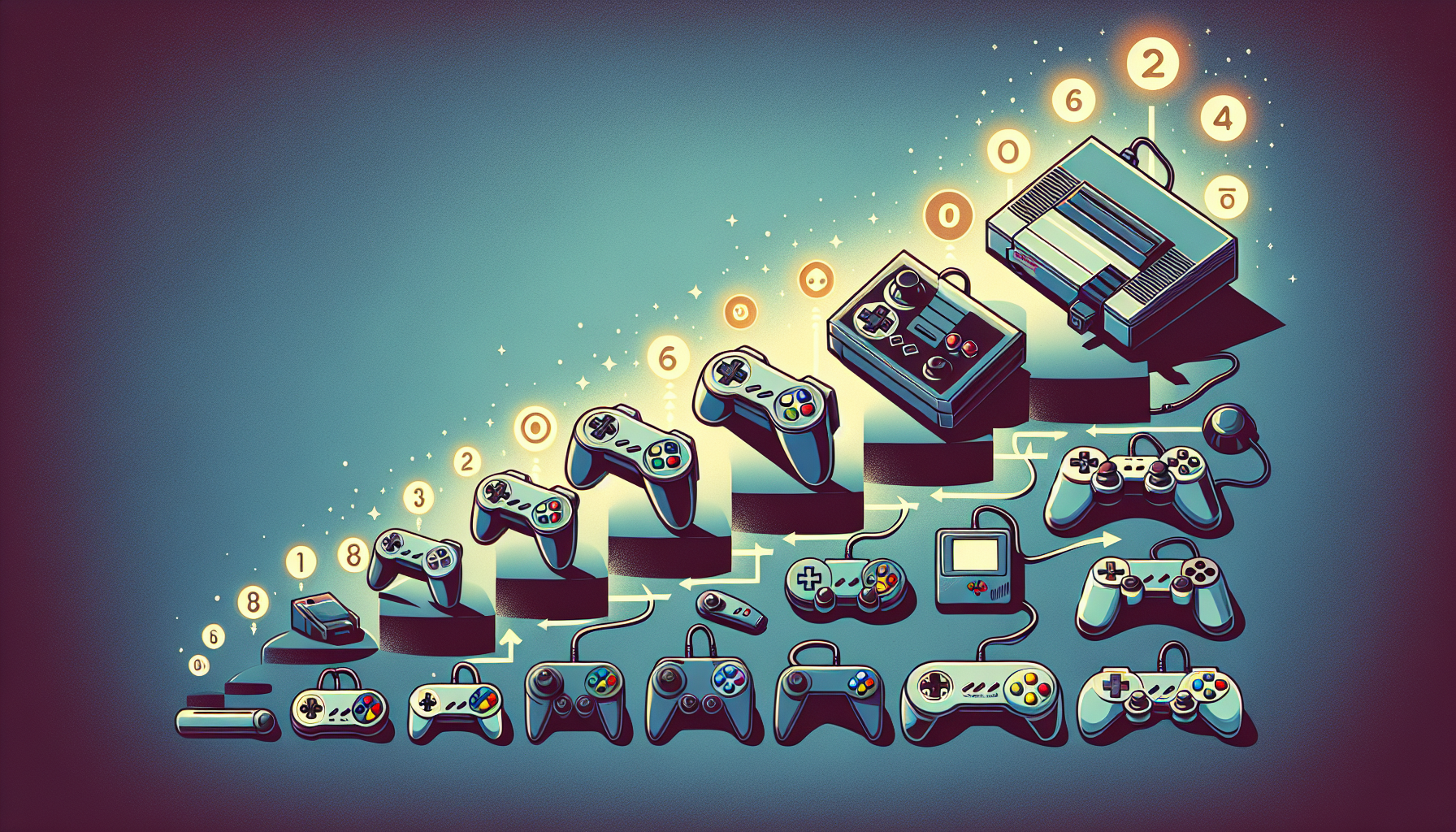
From a humble beginning as a CD-ROM experiment to a global icon, PlayStation’s evolution embodies the spirit of innovation that defines the gaming industry. Each console iteration has introduced pioneering features that transcend gaming, reshaping how players connect, compete, and collaborate.
Through its rich library of games, cutting-edge technology, and strong sense of community, PlayStation has left an indelible mark on gaming history. As the landscape of interactive entertainment continues to evolve, the future of PlayStation stands on the precipice of new frontiers, ready to engage generations of gamers to come.
10. Final Reflections on PlayStation’s Legacy
The journey of PlayStation has been one of continuous growth and adaptation. As new challenges arise in the rapidly-changing gaming environment, its history serves as a testament to the brand’s resilience and innovative spirit. With a strong commitment to its community and advocacy for quality in all aspects of gaming, the PlayStation legacy is set to inspire future developments in gaming, entertainment, and beyond.
The transformation from the original PlayStation to the current PlayStation 5 not only marks milestones in technology but also reflects shifts in how games are experienced and enjoyed. As gamers look ahead to future possibilities, the PlayStation remains a vibrant part of the gaming narrative, continually evolving, expanding, and redefining what it means to play.
advertisement