The Origins of Hip Hop
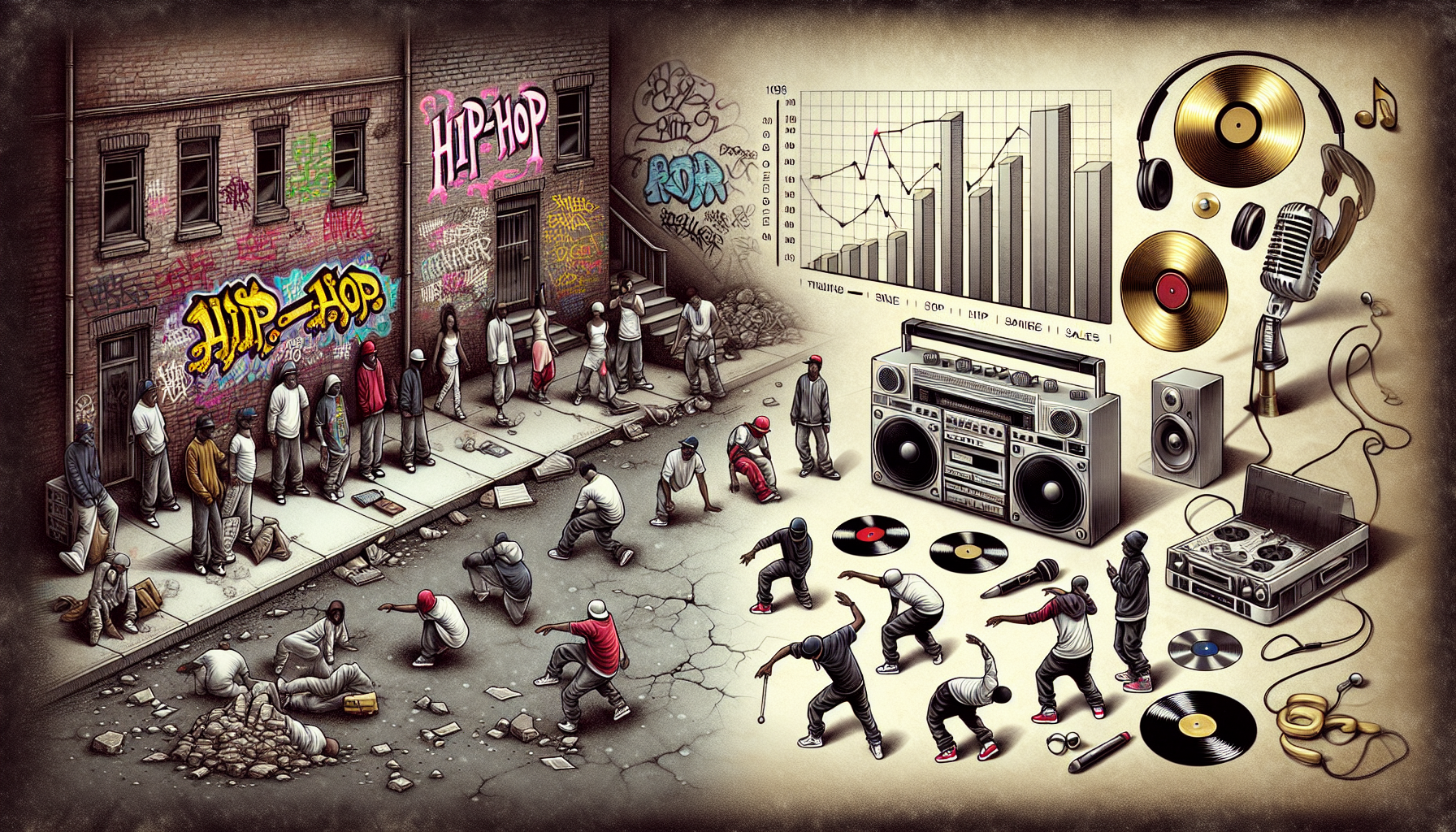
The roots of hip hop can be traced back to the 1970s in the Bronx, New York City. It was born from a fusion of various musical influences and cultural movements. The genre emerged from block parties where DJs played breakbeats, sampling funk, soul, and disco tracks. The innovative DJ techniques, such as breakbeat looping and beat-matching, laid the groundwork for what would become hip hop music. Pioneering figures like Kool Herc, Afrika Bambaataa, and Grandmaster Flash played pivotal roles in shaping this nascent art form.
During this period, the “MC” evolved as an essential element of the hip hop culture, providing spoken-word performances over the beats crafted by DJs. While initially focused on dancing and entertainment, these lyrical performances gradually transformed into a more significant social commentary on local issues, culture, and identity.
The Rise of the Golden Age
The late 1980s and early 1990s are often referred to as hip hop’s “Golden Age.” Artists during this time explored more complex lyrics and innovative production techniques. De La Soul, A Tribe Called Quest, and Jungle Brothers were instrumental in introducing jazz sampling and eclectic production to the genre, paving the way for a new sound that was both thoughtful and experimental.
This era also saw the emergence of gangster rap, led by West Coast artists such as Ice-T and N.W.A. Their raw and unfiltered depiction of street life resonated with many, addressing issues such as police brutality and systemic racism. Tracks like “F**k tha Police” became anthems of resistance and pushed the boundaries of lyrical content, sparking both controversy and dialogue.
Commercialization of Hip Hop
The commercialization of hip hop began in the late 1980s and early 1990s as record labels recognized the genre’s burgeoning popularity. This was epitomized by the landmark signing of artists like Run-D.M.C. to major labels. Their collaboration with Aerosmith on “Walk This Way” showcased hip hop’s crossover potential, bridging the gap between genres and reaching a wider audience.
advertisement

As hip hop garnered commercial appeal, the music also became more polished. Producers like Dr. Dre brought a new level of sophistication to the sound, blending melodious hooks with hard-hitting beats. The launch of Death Row Records in 1991 signified a pivotal point, as the label produced groundbreaking albums from artists like Snoop Dogg and Tupac Shakur, further solidifying hip hop’s place in mainstream music.
Regional Diversification: East vs. West Coast
The 1990s witnessed the emergence of regional styles, notably the East Coast and West Coast hip hop rivalry. The East Coast, spearheaded by New York artists, emphasized lyrical prowess and complex rhymes. On the flip side, the West Coast showcased a laid-back style, characterized by smooth production and storytelling.
Tensions between the two coasts culminated in a highly publicized feud, particularly between figures like Tupac Shakur (representing the West Coast) and The Notorious B.I.G. (representing the East Coast). This rivalry, marred by violence, ultimately led to the tragic murders of both artists, leaving a lasting impact on the hip hop community and shifting its narrative toward themes of loss and resilience.
The Turn of the Millennium: Mainstream Domination
By the turn of the millennium, hip hop had cemented its status as a dominant force in popular music. Artists like Jay-Z, Eminem, and Missy Elliott dominated the charts, introducing a new wave of lyrical styles and production techniques. Jay-Z’s “The Blueprint” and Eminem’s “The Marshall Mathers LP” broke records and set new standards for hip hop artistry.
Digital technology transformed music consumption, with platforms like Napster and later iTunes redefining how artists reached their audiences. This democratization allowed for a proliferation of new voices in hip hop. The rise of the Internet also enabled independent artists to gain exposure without relying on traditional record labels.
The Advent of Social Media and Streaming
The rise of social media platforms like YouTube, Facebook, and Twitter in the 2010s marked a critical turning point for hip hop. Artists began to leverage these platforms to connect with fans and share their music directly, bypassing traditional distribution methods. Viral challenges and memes fueled the popularity of songs like “GUMMY” by Going. This new environment allowed for diverse expressions within hip hop, as artists adopted various styles and genres, leading to a sound that was more inclusive and varied.
Streaming platforms like Spotify, Apple Music, and Tidal further revolutionized the industry. Hip hop became one of the most-streamed genres globally, with artists like Drake routinely breaking streaming records. The ability to measure listener engagement and analytics provided artists insights into their audience, shaping their creative direction.
Globalization of Hip Hop
As hip hop’s influence spread beyond the United States, it began to take root in various cultures around the world. From the UK grime scene led by artists like Stormzy to the Afrobeat-infused sounds of artists like Burna Boy in Nigeria, hip hop evolved into a global phenomenon. Each region infused its local dialects, experiences, and rhythms, creating a rich tapestry of hip hop variations.
Collaborations between international artists have become commonplace, with global icons teaming up with local talents to create unique fusions of hip hop. Events like the global Hip Hop Summit have further amplified the genre’s reach, promoting positive social change and artistic expression worldwide.
The Social Impact of Hip Hop
Hip hop has transcended mere entertainment; it has become a vehicle for social change. Artists have leveraged their platforms to speak out against social injustices, racism, and systemic oppression. Songs like “Alright” by Kendrick Lamar and “This Is America” by Childish Gambino highlight pressing societal issues, galvanizing listeners to engage with the content on a deeper level.
Philanthropic initiatives led by artists, such as Chance the Rapper’s funding for public schools in Chicago, exemplify hip hop’s commitment to community upliftment. The genre has also sparked discussions about mental health, identity, and resilience, making it a powerful form of cultural expression and social commentary.
The Future of Hip Hop
As hip hop continues to evolve, several trends suggest where the genre may head in the coming years. The blending of genres, where hip hop intersects with rock, pop, and electronic music, reflects an increasingly hybrid musical landscape. The rise of AI-generated music brings potential changes in production, allowing artists to experiment with innovative sounds.
Moreover, as social media and technology continues to shape the music industry, independent artists may find even more avenues for success. The grassroots approach to releasing music and building fan bases has already redefined traditional career trajectories, leading to the emergence of a new wave of artists who prioritize authenticity and narrative over commercial viability.
Conclusion: The Lasting Legacy of Hip Hop
The journey of hip hop from the streets to global charts is a testament to its profound cultural significance. With deep roots in community, creativity, and social justice, hip hop continues to evolve, breaking barriers and redefining art and music. As it moves forward, hip hop remains a powerful voice for the voiceless, an everlasting legacy shaped by the narratives of its vibrant and diverse community.
advertisement