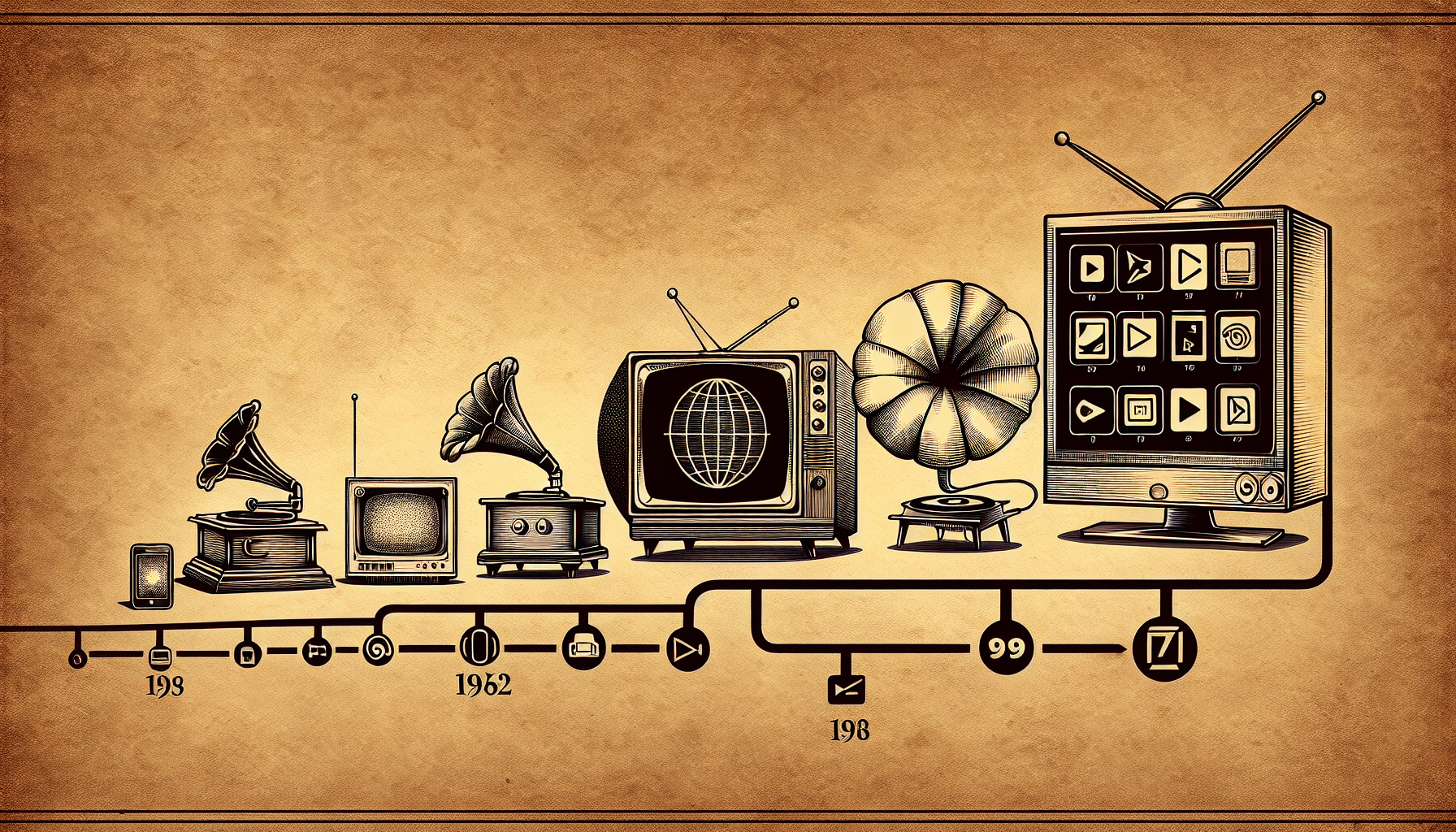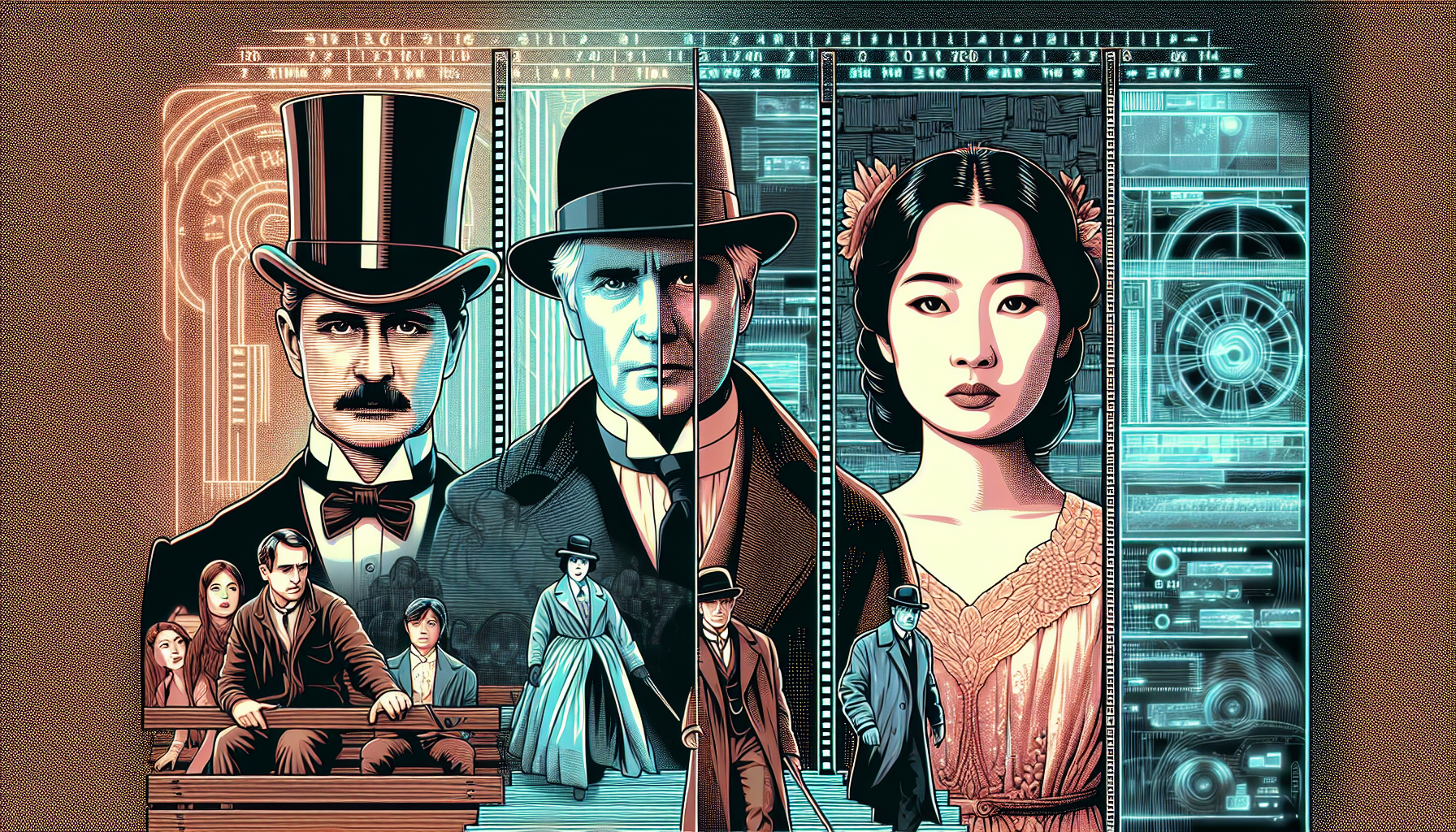
The Evolution of Cinematic Storytelling
Silent Films: The Origins of Visual Narratives
Cinematic storytelling began in the late 19th century with silent films. The Lumière brothers and Georges Méliès pioneered this art form, using innovative techniques to convey stories without sound. Early narratives were simple, often depicting everyday life or fantastical elements, such as Méliès’ “A Trip to the Moon” (1902). Filmmakers relied heavily on visual metaphors, gestures, and title cards to communicate plot and emotions. The absence of dialogue necessitated powerful visual storytelling, as directors crafted compelling imagery to engage audiences.
The Advent of Sound: Dialogue Changes Dynamics
The introduction of synchronized sound in the late 1920s marked a significant shift in cinematic storytelling. With the release of “The Jazz Singer” (1927), movies began to incorporate dialogue, allowing for more complex narratives and character development. This transition from silent to sound films changed how stories were told. Characters could express their thoughts and emotions verbally, leading to more nuanced performances.
Sound also enhanced storytelling through the use of music and sound effects that helped convey mood and tension. As filmmakers experimented with these new tools, the audience’s experience became more immersive, enriching the narrative layer in filmmaking.
The Golden Age of Hollywood: Structure and Genres
The 1930s to the 1950s, often referred to as the Golden Age of Hollywood, brought structured storytelling and the rise of specific genres. This era solidified the three-act structure, featuring a clear beginning, middle, and end, which became a standard in screenplay writing. Major studios invested heavily in storytelling techniques, developing genres like film noir, musicals, and westerns.
Filmmakers such as Alfred Hitchcock revolutionized suspense and psychological thrillers, focusing on building tension through plot devices. Movies like “Psycho” (1960) showcased innovative narrative twists, altering audience perceptions and expectations. The traditional narrative form began to expand, allowing for experimental approaches while remaining accessible to mainstream audiences.
advertisement

The Rise of Independent Cinema: Alternative Narratives
The 1960s and 1970s saw a surge in independent cinema, ushering in a new wave of storytelling that defied Hollywood norms. Filmmakers like Martin Scorsese and Francis Ford Coppola explored complex characters and moral ambiguity. Independent films often highlighted social issues, giving voice to underserved communities and alternative perspectives.
This era birthed groundbreaking works such as “Easy Rider” (1969), which broke traditional narrative forms by focusing on the journey rather than a definitive plot. These films embraced non-linear storytelling techniques, emphasizing character development and real-life experiences, which in turn fostered a deeper connection with audiences.
Postmodernism: Blurring Genres and Narrative Structures
The late 20th century introduced postmodernism to cinematic storytelling, characterized by self-referential and fractured narratives. Filmmakers like Quentin Tarantino revolutionized how stories were told by blending genres and playing with narrative chronology. Films like “Pulp Fiction” (1994) used non-linear storytelling to combine multiple narratives, creating an intricate web that challenged traditional viewing methods.
Postmodern storytelling also embraced intertextuality, where films referenced other media or cinematic works, encouraging audiences to engage more deeply with the text. This breaking down of conventional storytelling barriers highlighted the interplay between cinema and broader cultural narratives, reflecting the complexity of contemporary society.
Digital Revolution: New Tools for Storytellers
The advent of digital technology in the 21st century transformed cinematic storytelling significantly. Digital cameras allowed for greater flexibility in shooting, while editing software made post-production more accessible. This democratization of filmmaking tools enabled a new generation of storytellers to emerge, often resulting in authentic and diverse narratives that reflect varied experiences.
Digital platforms like Netflix and Amazon Prime have disrupted traditional distribution models, allowing filmmakers to reach broader audiences and experiment with unconventional formats. Series such as “Stranger Things” and “The Crown” demonstrate how long-form storytelling can explore complex narratives over multiple episodes, allowing for deep character development and intricate plots.
Virtual Reality and Interactive Storytelling
As technology continues to evolve, the rise of virtual reality (VR) and augmented reality (AR) is pushing the boundaries of cinematic storytelling. These immersive mediums offer audiences a chance to engage with narratives in ways previously thought impossible. Projects like “The Invisible Hours” and “Notes on Blindness” are examples of how VR can create an emotional connection, placing viewers within the narrative.
Interactive storytelling allows audiences to shape their experiences, creating a sense of agency not typically found in traditional films. This evolution represents a paradigm shift in how stories can be told and experienced, opening new avenues for creativity and engagement.
Global Perspectives: Diversity in Storytelling
Globalization has diversified cinematic storytelling, introducing audiences to narratives from different cultures and perspectives. Films like “Parasite” (2019) showcase unique social commentaries, gaining international acclaim and recognition. Non-Western filmmakers now have platforms to tell their stories, highlighting the rich tapestry of global culture.
The representation of varied cultural narratives has prompted a reexamination of traditional storytelling conventions, challenging audiences to broaden their understanding of narrative structures. The storytelling approach in Asian cinema, African narrative techniques, and Latin American magical realism all contribute to a composite understanding of cinema as a global language.
The Future of Cinematic Storytelling
As cinematic storytelling continues to evolve, it remains crucial to embrace new technologies and narrative approaches. The integration of artificial intelligence in scriptwriting and content creation is already causing ripples in the industry. AI tools can analyze trends, predict audience preferences, and assist writers in developing compelling narratives.
Moreover, the ongoing exploration of socio-political themes in filmmaking presents opportunities for storytellers to reflect on pressing global issues, making cinema a powerful platform for discourse. The rise of social media has also influenced the way stories are shared, potentially shaping narrative forms that resonate with today’s digital-savvy audiences.
Conclusion
Cinematic storytelling has undergone significant transformations since the silent film era. Through the evolution of sound, the rise of independent cinema, postmodern techniques, and digital advancements, filmmakers have continually adapted their narratives to reflect cultural shifts and technological innovations. As we look to the future, the potential of cinematic storytelling remains boundless—inviting constant exploration and ingenuity that promises to captivate audiences for generations to come.
advertisement