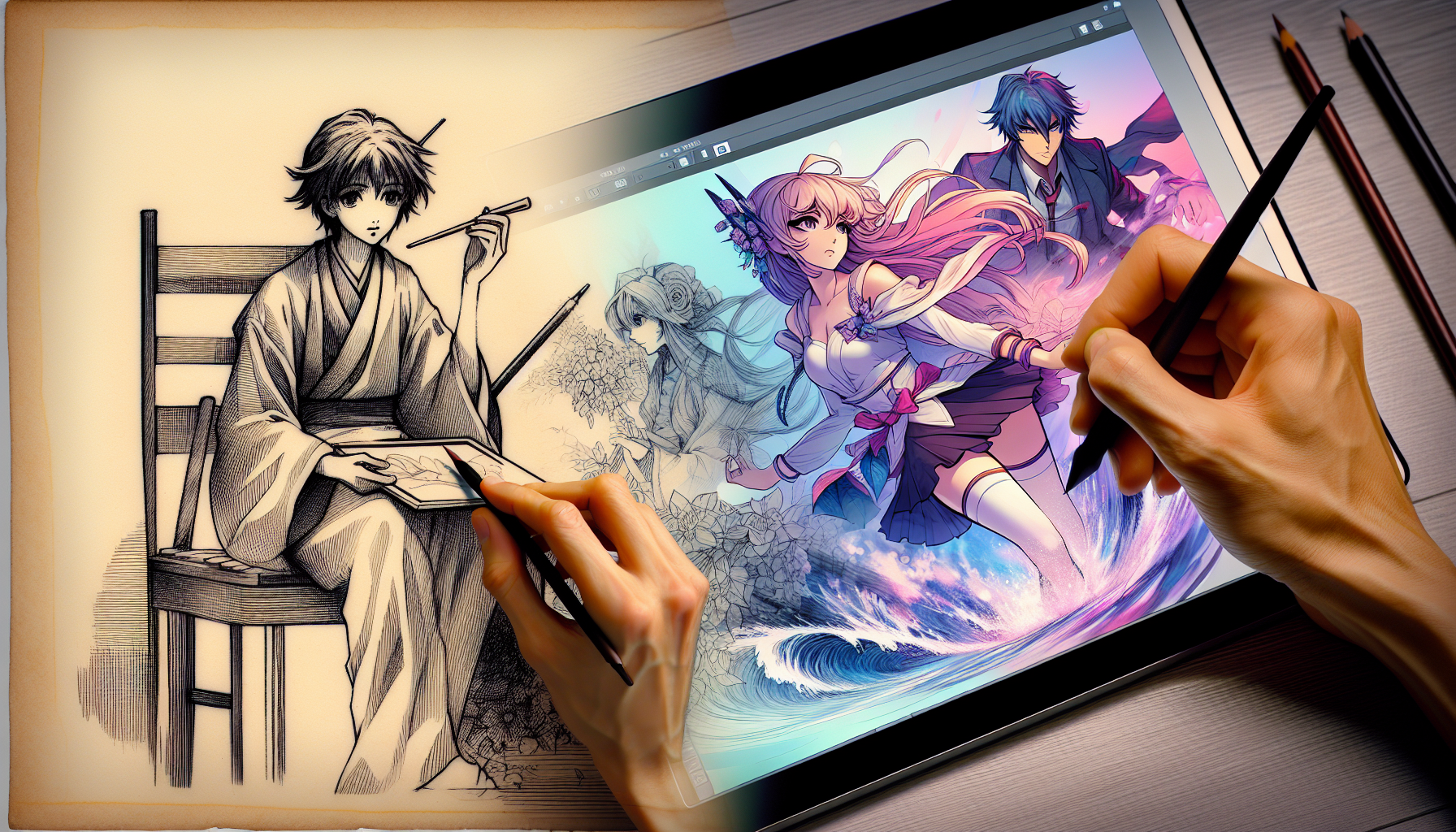
The Evolution of Anime: From Hand-Drawn Art to Digital Masterpieces
The Origins of Anime
Anime, as a distinct form of entertainment, traces its roots back to the early 20th century in Japan. The first recorded anime dates to 1917, with short films like “Namakura Gatana” and “Katsudō Shashin.” These early works were characterized by simple plots and rudimentary animations, relying heavily on the available techniques of the time. The techniques were heavily inspired by Western animation, particularly the work of figures like Walt Disney.
The 1940s to 1960s: The Birth of Modern Anime
The 1940s marked a turning point in the anime landscape as World War II affected culture, including animation. The 1950s witnessed the emergence of influential figures such as Osamu Tezuka, often referred to as the “God of Manga.” Tezuka revolutionized the industry through his unique storytelling and character designs, leading to the creation of iconic works like “Astro Boy” in 1963. His innovations introduced the concept of large, expressive eyes, significantly influencing character designs in anime.
By the late 1960s, anime began to take on more diverse genres and explore themes that resonated with a broader audience. Series like “Speed Racer” and “Gigantor” gained popularity, showcasing both technological advancements in animation techniques and compelling narratives. This marked the start of anime as a significant cultural phenomenon in Japan, leading to the creation of dedicated studios.
The 1970s: The Rise of the Genre
During the 1970s, the anime industry underwent a transformation with the introduction of various genres, including mecha, magical girl, and shōnen. “Mobile Suit Gundam,” launched in 1979, was pioneering in the mecha genre, helping shape a subculture around model-building and merchandising. The success of such shows encouraged studios to explore new concepts and themes, expanding the audience for anime significantly.
The 1980s: The Golden Age of Anime
The 1980s are often referred to as the Golden Age of anime, showcasing a significant increase in productions and a rise in storytelling complexity. This decade produced classic films such as Hayao Miyazaki’s “Nausicaä of the Valley of the Wind” and Katsuhiro Otomo’s “Akira,” both of which pushed the boundaries of art and storytelling in animation. The use of vibrant colors, intricate backgrounds, and more sophisticated animation techniques set these works apart from earlier films.
advertisement

The 1980s also saw a move toward consumer-oriented products, with merchandise becoming an essential revenue stream for studios. Anime began to be recognized not just as entertainment but as an influential art form. Collaborations between manga and anime creators created synergies that enriched both industries, leading to successful adaptations and the proliferation of unique art styles.
The 1990s: Global Expansion
The 1990s marked a watershed moment for anime as it began to gain international popularity. Shows like “Dragon Ball Z,” “Sailor Moon,” and “Pokémon” made their way into the global market through television and merchandise. This influx helped establish anime tastes in the West, resulting in increased viewer numbers and a solid fanbase worldwide.
This period also saw notable advancements in technology, transitioning from cel animation to digital techniques. Although traditional hand-drawn animations remained, studios like Gainax and Studio Ghibli began exploring computer-assisted animations, a shift that would prove significant in the following decades.
The 2000s: Embracing Digital Techniques
The new millennium introduced previously unimaginable advancements in animation software. Studios began melding traditional hand-drawn techniques with digital tools. The creation of “Final Fantasy: The Spirits Within” in 2001 marked an early attempt to utilize CGI extensively in anime. This period saw a monumental shift in the aesthetic appeals of anime, paving the way for stunning visuals that could enhance storytelling.
In parallel, the rise of streaming platforms like Crunchyroll and Funimation revolutionized how anime reached audiences. Fans could access an extensive library of both classic and new series at their fingertips. This democratization of distribution altered anime’s development landscape, prompting studios to cater to global audiences with diverse styles and narratives.
The 2010s: High-Quality Productions
The 2010s ushered in an era defined by high-budget productions, with “Attack on Titan,” “Your Name,” and “Demon Slayer” showcasing the power of advanced animation techniques. High frame rates and detailed character designs became synonymous with top-tier anime. Studios embraced the limitless potential of computer-generated imagery (CGI) to create breathtaking environments and fluid animations that previously could only be imagined.
Moreover, anime took a more significant cultural stand, addressing social issues through thoughtful narratives. Titles like “A Silent Voice” and “March Comes in Like a Lion” dissected deeply personal and societal issues, garnering both critical acclaim and viewer appreciation. The genre began attracting a broader demographic, diversifying the fanbase and leading to discussions about mental health, societal pressures, and more.
The 2020s and Beyond: The Future of Anime
As we move into the 2020s, anime continues to evolve at a rapid pace. The combination of AI and machine learning is beginning to impact production cycles, with studios experimenting with tools that enhance the animation process. Programs designed to streamline character animation and reduce man-hours are on the rise, allowing creators to focus on storytelling and artistry.
Additionally, international collaborations are becoming more common. Projects like “The Witcher: Nightmare of the Wolf” showcase the blending of Western storytelling with Japanese animation styles. This crossover not only introduces anime to new audiences but also encourages an exchange of artistic methods that enrich the genre.
The Role of Streaming Services in the Evolution of Anime
The explosion of streaming services has significantly influenced how anime is produced, distributed, and consumed. Platforms like Netflix and Amazon Prime have started investing in original anime content, resulting in an increased global interest. Anime series adapted to these platforms often feature high production values and storytelling that meets audiences’ demands worldwide.
Furthermore, these platforms have cultivated a culture of binge-watching, leading to unique narrative structures in anime. Many contemporary series adopt shorter seasons with mini-arcs designed to capture audience attention in quick bursts, reflecting shifting consumption habits.
Conclusion: The Timeless Essence of Anime
The journey of anime from its humble beginnings to its current stature as a multi-billion-dollar industry underscores its enduring appeal. As technological advancements continue to redefine animation’s boundaries, anime holds the potential for continual reinvention and evolution. The foundation laid by pioneers like Osamu Tezuka, combined with innovative creators of today, promises a future rich in creativity and cultural significance.
Anime not only reflects social currents but also shapes them, providing a unique lens through which audiences can explore complex themes and narratives. As it continues to evolve, anime remains a vibrant testament to artistic expression and creativity on the global stage. The interplay between traditional craftsmanship and cutting-edge technology positions this beloved genre for even greater accomplishments in the years to come.
advertisement