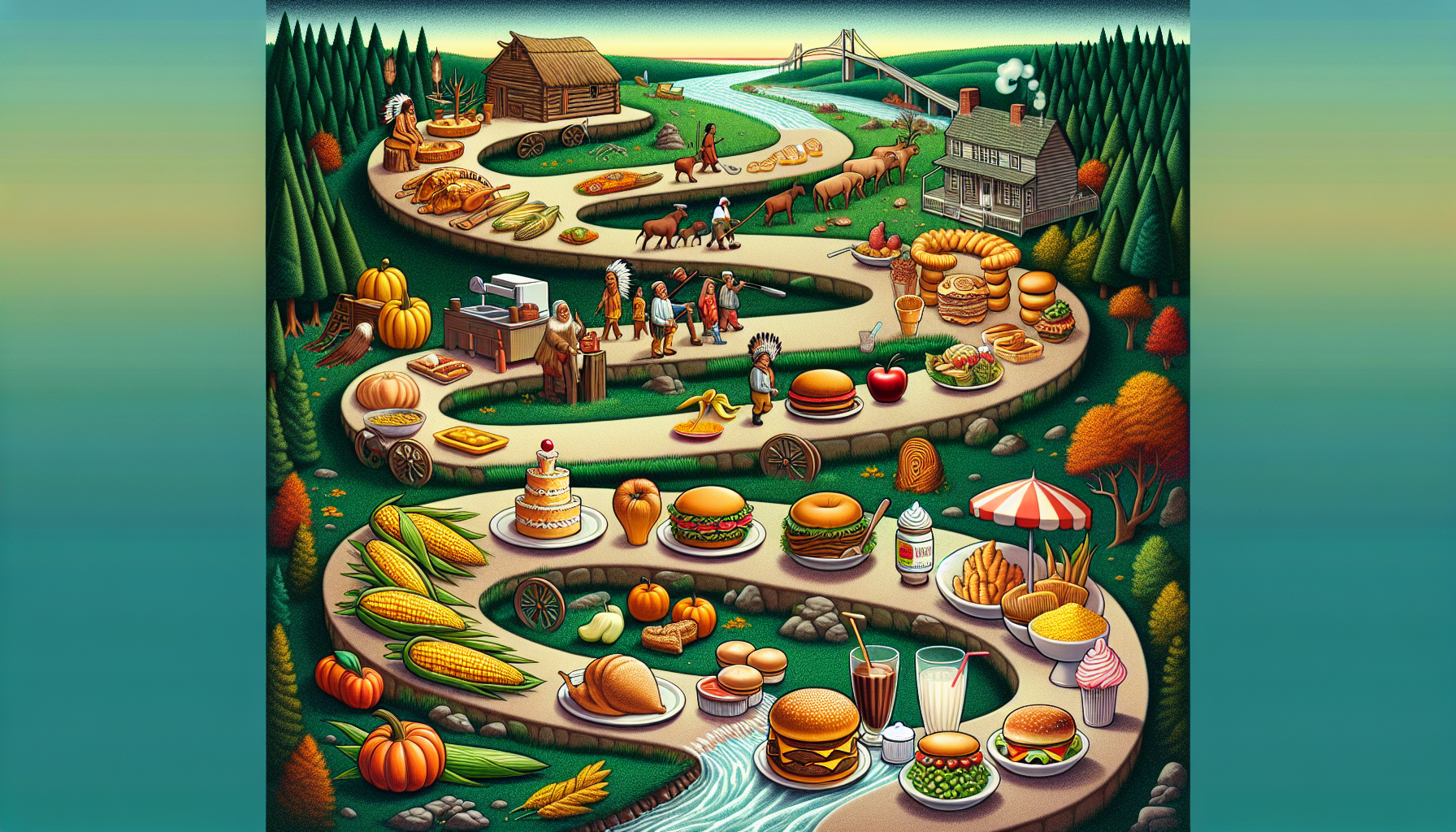
The Influences of Indigenous Ingredients
American cuisine’s identity began forming long before European settlers arrived; it roots itself deeply in the rich soil of Indigenous American culture. Native American tribes across the continent cultivated unique ingredients that would become foundational to American cooking. Varieties of maize, beans, and squash—dubbed the “Three Sisters”—were central to the diet of many Indigenous peoples. These crops were not just staples; they represented a sustainable agricultural system that utilized companion planting principles.
Moreover, Indigenous groups also utilized a vast array of wild resources. Blueberries, cranberries, and various nuts contributed to a diverse food supply. Game such as deer and bison formed the backbone of protein sources. Cooking techniques, like smoking and drying meats, were established as preservation methods that underscore the ingenuity of Indigenous culinary traditions.
European Colonization and Its Culinary Impact
The arrival of European colonizers in the 15th and 16th centuries marked a significant turning point in the evolution of American cuisine. The Spanish, French, Dutch, and English brought various culinary traditions that integrated with existing Indigenous practices.
Early settlers, primarily from England, adapted their traditional recipes to what was locally available. Bread, porridge, and pies became staples, but these adapted recipes often featured cornmeal, wild game, and native vegetables. The introduction of European livestock, dairy products, and favorable European grains transformed agricultural practices, leading to new food production systems in the colonies.
The Great Migration of the 19th century introduced an even wider array of ingredients and cooking methods. Foods like potatoes from Ireland, tomatoes from Italy, and spices from the Caribbean brought diversity. Each group infused their unique culinary practices—leading to the rise of dishes like gumbo, which highlights the integration of African, French, and Spanish influences.
advertisement

Regional Cuisines: The Birth of American Food Diversity
As the United States expanded westward, various regions began to develop distinctive culinary identities shaped by geography, climate, and cultural diversity.
New England
In New England, the harsh winters made preservation techniques essential. Salted meats, pickled vegetables, and dried fruits became staples. Chowders, focussing on the abundant seafood of the Atlantic, emerged, with clam chowder being a quintessential example. Native American influences persisted, especially in the use of corn and squash.
The South
In the Southern states, the culinary landscape was heavily impacted by African traditions, with the use of rice, yams, and okra becoming prominent. The arrival of enslaved Africans significantly enriched Southern cooking, introducing techniques such as frying and ingredients including collard greens and black-eyed peas, leading to dishes like gumbo and jambalaya that celebrate this blend of cultures. Barbecue, a cooking method rooted in Indigenous practices and refined by African-American cooks, became a hallmark of Southern cuisine.
The Midwest
The Midwest, often deemed “America’s Breadbasket,” centered around agricultural bounty. The abundance of grains led to the popularity of bread and pastries, while hearty stews became commonplace. Midwestern cuisine is often characterized by comfort food—dishes like macaroni and cheese and pot roast are loved far and wide.
The West Coast
The West Coast’s culinary evolution heavily reflected immigration patterns, particularly from Asia and Latin America. The arrival of the Chinese community in the 19th century introduced dishes like chow mein and egg rolls, which morphed into American Chinese cuisine. Similarly, Mexican gastronomy found a foothold, with burritos and tacos becoming staples in American food culture.
The Industrial Revolution and the Rise of Fast Food
With the Industrial Revolution came mass production, which would profoundly affect American eating habits. Convenience became synonymous with modern living, leading to the birth of processed foods. The advent of refrigeration revolutionized food storage, allowing for the mass distribution of perishable goods.
Fast food emerged in the early to mid-20th century, catering to the burgeoning American consumer culture. Pioneers like McDonald’s introduced a systematized dining experience that promised speed and efficiency. The iconic hamburger became emblematic of American culture, representing not just a meal but a lifestyle. This era was marked not only by the rise of fast food chains but also by a growing interest in dining out, changing family dynamics and social interactions surrounding meals.
Post-World War II Innovations
Following World War II, American cuisine experienced a renaissance of sorts, marked by the availability of new ingredients and experimental cooking styles. Soldiers returning from the war brought back culinary influences from around the globe, and the exposure to international cuisine increased as travel became more accessible.
The 1950s and 60s saw the emergence of nouvelle cuisine, marked by lighter dishes and an emphasis on presentation. Julia Child’s television programs catalyzed interest in gourmet cooking at home, leading to a culinary awakening among Americans eager to explore sophisticated techniques and flavors, making French culinary practices readily accessible.
Fusion Cuisine and Global Influences
Transitioning into the late 20th century, the explosion of fusion cuisine reflected a society open to experimentation and innovation. Chefs began combining traditional American elements with culinary techniques from Asia, Latin America, and Africa. Dishes like California rolls, which combine sushi with avocado, exemplified this melding of cultures.
Food trucks and international markets proliferated, serving as hotbeds for diverse food offerings. The late 1990s and early 2000s saw the rise of farm-to-table movements, where chefs focused on sourcing local ingredients. This shift not only celebrated regional agriculture but also sought sustainable practices to ensure fresh, flavorful meals.
Modern Culinary Trends: Health Consciousness and Sustainability
In the 21st century, American cuisine is experiencing various trends that revolve around health, sustainability, and ethical consumption. As awareness about health and nutrition rose, Americans began to gravitate toward organic, non-GMO, and plant-based options. Veganism and vegetarianism gained more traction, and restaurants adapted menus to respond to these changing consumer preferences.
Culinary culture now emphasizes sustainability, with many chefs prioritizing local and seasonal ingredients. The “slow food” movement advocates for traditional cooking methods and local resources, countering the speed and convenience established by fast food.
Aspects like food waste management and regenerative agriculture are becoming integral parts of discussions in culinary circles. Restaurants that prioritize these values not only shape public perception of food but also work towards creating a more sustainable food ecosystem.
American Cuisine in a Global Context
American cuisine’s evolution shows how food can act as a reflection of broader cultural shifts. The United States remains a melting pot, with immigrants continually influencing local cuisines. Today, food events celebrating international cultures are commonplace, and fusion restaurants continue to innovate.
Culinary institutions and educational programs focus on the principles of American cuisine while grounding their teachings in the historical context that shapes it. Chefs are not only preserving traditional practices but are also reinterpreting them for contemporary palates.
As the future unfolds, American cuisine will continue to evolve. The intersections between culture, geography, and global trends will keep the journey enriched and diversely flavorful. The evolution of American cuisine offers a rich narrative of resilience, adaptation, and innovation, weaving the story of a nation through its food.
advertisement