The Benefits of Superfoods for Your Health
Understanding Superfoods
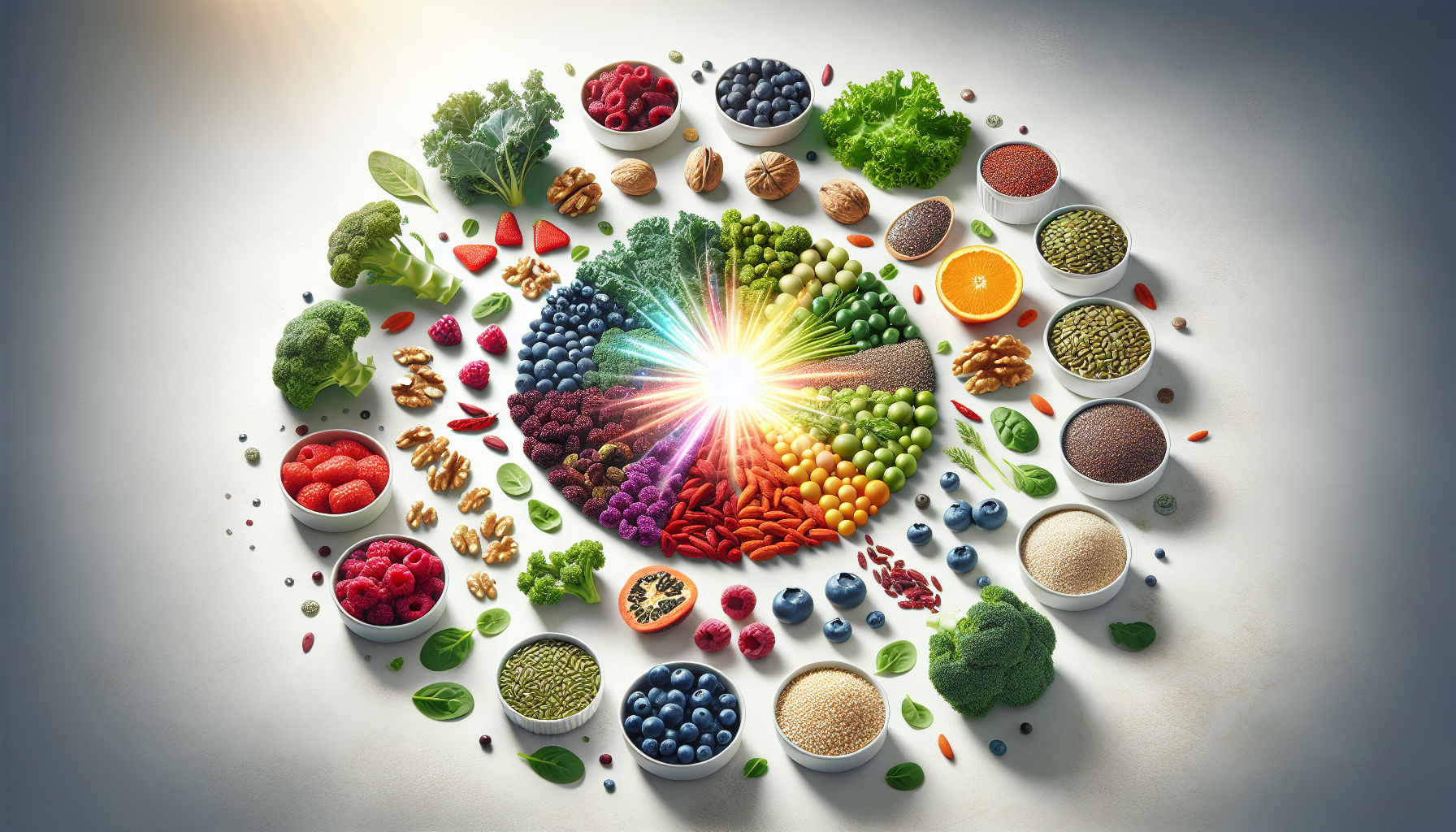
Superfoods are nutrient-rich foods that are considered exceptionally beneficial for health and well-being. Typically, they are packed with vitamins, minerals, and antioxidants, which can play an essential role in disease prevention and health promotion. Some commonly recognized superfoods include blueberries, kale, quinoa, and salmon, among many others. These foods provide a plethora of health benefits that can substantially improve overall health.
Rich in Antioxidants
One of the foremost benefits of superfoods is their high antioxidant content. Antioxidants are compounds that help neutralize free radicals in the body, which are unstable molecules that can cause oxidative stress. Oxidative stress has been linked to various chronic diseases, including heart disease, diabetes, and cancer. Foods like berries and dark chocolate are particularly rich in antioxidants, providing your body with tools to combat the harmful effects of free radicals.
Enhanced Heart Health
Superfoods such as salmon, avocados, nuts, and seeds are heart-healthy options. They are often rich in omega-3 fatty acids, which are known to lower triglycerides, reduce blood pressure, and decrease the risk of arrhythmias. For instance, fatty fish like salmon not only provide omega-3s but are also rich in high-quality protein and essential nutrients like vitamin D, all contributing to cardiovascular health. Additionally, foods like oats are high in soluble fiber, which can help lower LDL cholesterol levels.
Weight Management and Satiety
Incorporating superfoods into your diet can support weight management efforts. Many superfoods, such as chia seeds, quinoa, and legumes, are high in fiber and protein, which can help increase feelings of fullness and reduce overall calorie intake. Fiber slows down digestion, leading to prolonged satiety, while protein is necessary for muscle maintenance and growth, which can boost metabolism. Eating a diet rich in these nutrient-dense foods can contribute to long-term weight management success.
Improved Digestive Health
Superfoods often contain a wealth of dietary fiber, which is crucial for maintaining a healthy digestive system. Foods like lentils, apples, and whole grains promote healthy bowel movements and prevent constipation. Additionally, a diet rich in fiber can support beneficial gut bacteria, which is vital for overall health. Probiotic-rich foods like yogurt and fermented items such as kimchi and sauerkraut also fall into the superfood category, offering gut-health benefits that can enhance digestion and boost immunity.
advertisement

Blood Sugar Regulation
Certain superfoods can play a pivotal role in regulating blood sugar levels, making them an excellent choice for individuals with insulin resistance or diabetes. Foods such as cinnamon, sweet potatoes, and legumes have a low glycemic index and help stabilize blood sugar levels. The fiber content in these foods aids in slowing glucose absorption, preventing spikes in blood sugar that can lead to energy crashes and cravings.
Anti-Inflammatory Properties
Chronic inflammation is a risk factor for various diseases, including arthritis, heart disease, and cancer. Many superfoods possess anti-inflammatory properties that can help combat this inflammation. Turmeric, for example, contains curcumin, a compound with potent anti-inflammatory effects. Similarly, foods rich in omega-3 fatty acids, such as flaxseeds and walnuts, can also reduce inflammation, thus protecting your body from chronic diseases.
Enhanced Brain Health
Certain superfoods have been linked to improved cognitive function and may protect against age-related cognitive decline. Berries, particularly blueberries, have been shown to enhance memory and may reduce the risk of Alzheimer’s disease. Additionally, fatty fish rich in omega-3 fatty acids have been associated with a lower risk of dementia and improved mood regulation. Leafy greens such as kale and spinach are also beneficial for brain health, thanks to their high concentrations of vitamins K, E, and folate.
Strengthened Immune System
A robust immune system is essential for overall health, and incorporating superfoods into your diet can bolster your immunity. Foods rich in vitamins C and E, zinc, and other antioxidants are crucial for immune function. Citrus fruits, bell peppers, nuts, and seeds all contribute to a healthier immune response. Additionally, fermented foods like yogurt and kefir can promote gut health, which is intricately tied to immune function.
Cardiovascular Benefits
Superfoods not only enhance overall health but also provide specific cardiovascular benefits. Consuming foods high in soluble fiber, such as oats and fruits, can lower bad cholesterol levels. Dark chocolate, rich in flavonoids, has been shown to improve blood flow and lower blood pressure. Furthermore, foods loaded with potassium, like bananas and sweet potatoes, help counteract the negative effects of sodium, contributing to better heart health.
Sustainable Energy Levels
Superfoods can contribute to sustained energy levels throughout the day, helping prevent the common afternoon slump that many individuals experience. Foods rich in complex carbohydrates, such as quinoa, brown rice, and sweet potatoes, provide a stable source of energy. Similarly, nuts and seeds supply healthy fats and protein, fueling the body without causing a crash. In contrast to refined sugars, which can cause quick spikes and subsequent drops in energy, superfoods can promote steady endurance and vitality.
Cooking with Superfoods
Incorporating superfoods into your daily meals can be both easy and enjoyable. Use leafy greens in salads or smoothies, sprinkle seeds over yogurt or oatmeal, or cook with whole grains instead of refined ones. Additionally, experimenting with herbs and spices like turmeric or ginger can easily enhance the nutritional content and flavor of your dishes. Not only do these foods benefit your health, but they can also elevate your culinary experiences.
Accessibility and Variety
The beauty of superfoods lies in their diversity and accessibility. While some may think of superfoods as exotic or expensive, many nutrient-dense options are readily available in local markets. Fruits, vegetables, legumes, nuts, and whole grains are often inexpensive and versatile. Incorporating a variety of superfoods into your diet can keep meals exciting and provide a broad spectrum of nutrients necessary for optimal health.
Cautions and Considerations
While incorporating superfoods into your diet can be beneficial, it’s important to maintain a balanced and varied diet overall. Over-reliance on specific superfoods at the expense of other healthy foods can lead to nutrient imbalances. Furthermore, some superfoods may not be suitable for everyone; for instance, those with allergies or specific medical conditions should exercise caution and consult with a healthcare practitioner before making significant dietary changes.
Nutrient Density Over Hype
When discussing superfoods, it is crucial to focus on nutrient density rather than marketing hype. Many foods labeled as superfoods may not be inherently superior to other whole, unprocessed foods. The key to a healthy diet is consuming a wide range of nutrient-dense foods that provide essential vitamins and minerals. Thus, while superfoods can play a role in promoting health, they should complement a balanced diet rather than replace it.
Mindful Eating Practices
Lastly, the benefits of superfoods can be further amplified through mindful eating practices. Paying attention to portions and understanding the nutritional value of foods can enhance the health benefits of superfoods. Mindful eating encourages a greater appreciation for food and fosters healthier eating habits, allowing individuals to listen to their bodies and make informed dietary choices.
Final Thoughts
Superfoods offer a multitude of health benefits, from reducing inflammation to aiding in weight management and enhancing cognitive function. By incorporating these nutrient-rich foods into your daily diet, you can significantly improve your overall health and well-being. However, remember to prioritize a varied and balanced approach to nutrition for optimal benefits. Enjoy exploring the world of superfoods and reaping the rewards they bring to your health.
advertisement