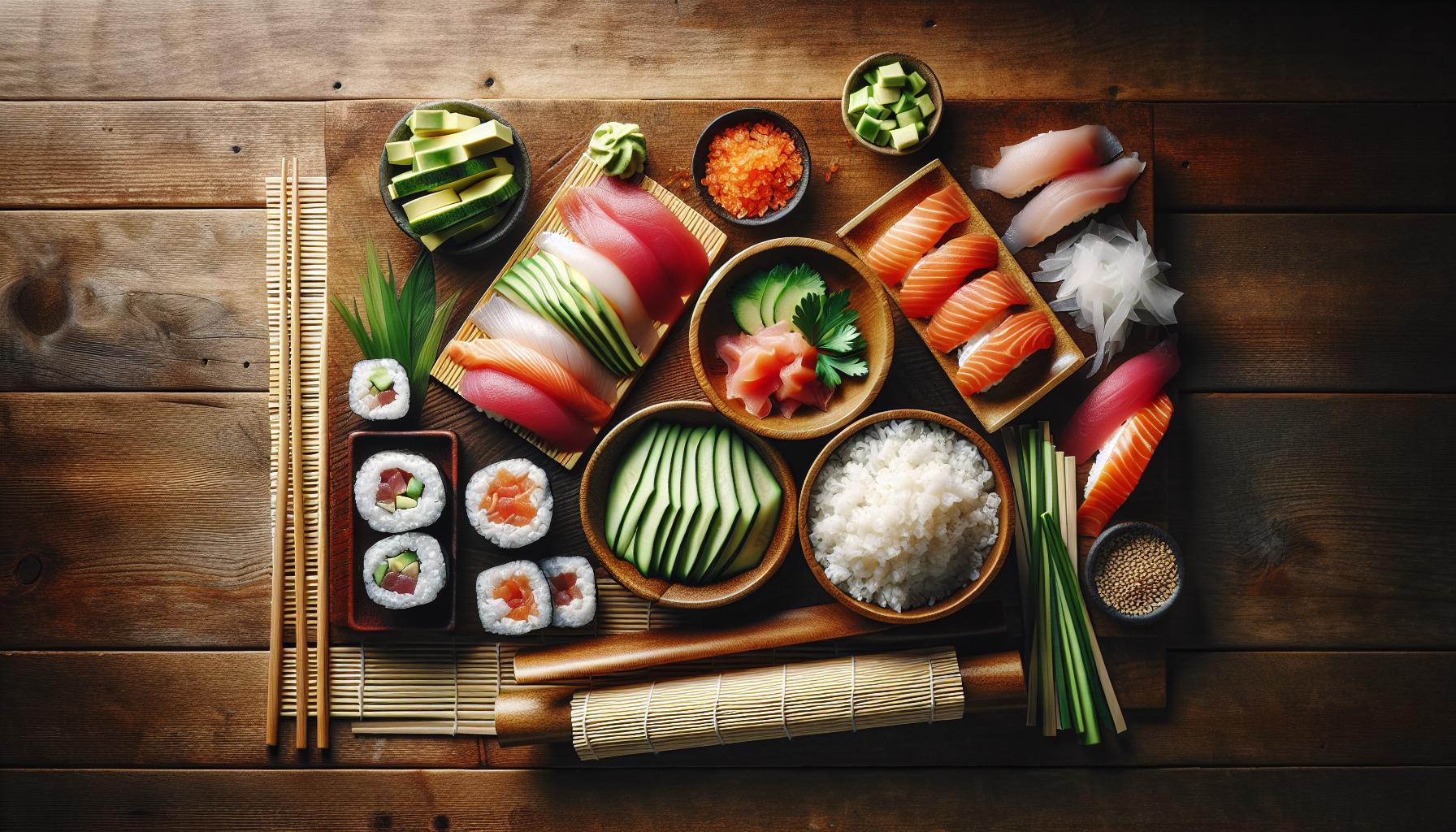
The Art of Sushi Making at Home
Understanding Sushi: A Culinary Tradition
Sushi is not merely a dish; it is an art form that has been crafted and refined over centuries in Japan. The term “sushi” refers to the vinegared rice that often accompanies raw fish and vegetables. Unlike popular belief, not all sushi contains raw fish. Variants like maki, nigiri, and temaki make it a versatile dish that can be tailored to individual tastes. The artistry in sushi making revolves around the balance of flavors, textures, and aesthetics.
Essential Ingredients for Sushi Making
To embark on your sushi-making journey, sourcing quality ingredients is crucial. Here’s a breakdown of what you’ll need:
- Sushi Rice: Use high-quality short-grain or medium-grain sushi rice. It becomes the foundation of your sushi.
- Rice Vinegar: This gives the rice its signature tang. Look for unseasoned rice vinegar or seasoned vinegar for added flavor.
- Nori: These seaweed sheets come in varying grades. Higher quality nori is darker and more aromatic.
- Fresh Fish: Options like tuna, salmon, and yellowtail are popular, but ensure they are sushi-grade to guarantee safety. Seafood should be fresh enough to eat raw.
- Vegetables: Consider cucumbers, avocados, and radishes for a crunchy contrast.
- Condiments: Soy sauce, wasabi, and pickled ginger should not be overlooked. They enhance the flavor profile and make the experience more authentic.
Sushi Rice Preparation
Choosing Your Rice
Choosing the right sushi rice is paramount. Traditionally, Japanese rice brands such as Koshihikari are preferred for their sticky texture when cooked.
Cooking the Rice
- Rinse the Rice: Start by rinsing 2 cups of sushi rice under cold water until the water runs clear. This removes excess starch, preventing the rice from becoming gummy.
- Soak: Let the rice soak in water for 30 minutes to ensure even cooking.
- Cook: Combine the rinsed rice with 2.5 cups of water in a rice cooker or pot. For a rice cooker, use the sushi setting. If using a pot, bring it to a boil, then reduce the heat and cover, allowing it to simmer for 20 minutes before letting it sit off the heat for another 10 minutes.
- Season: Combine 1/4 cup of rice vinegar, 2 tablespoons of sugar, and 1 teaspoon of salt in a small saucepan. Heat gently until dissolved. Fold this mixture into the rice using a spatula, being careful not to mash the grains.
The Sushi-Making Process
Tools and Equipment
To make sushi at home, certain tools can enhance the process:
- Bamboo Sushi Mat: Necessary for rolling maki.
- Sharp Knife: For clean, precise cuts.
- Rice Paddle: Ideal for handling sushi rice without damaging it.
- Cutting Board: Essential for ingredient prep.
Making Maki Sushi
- Prepare Your Workspace: Lay a bamboo mat on a flat surface. Place a sheet of nori, shiny side down, on the mat.
- Add Rice: With wet fingers, grab a handful of rice and spread it evenly across the nori, leaving a 1-inch border at the top.
- Layer Fillings: Arrange your choice of fillings like fish and vegetables horizontally across the center of the rice.
- Rolling: Lift the edge of the mat closest to you and roll it away from you, pressing gently but firmly. Continue rolling until the nori seals against itself.
- Slice: With a sharp knife, make even cuts through the roll. Wipe the knife with a wet cloth between cuts for cleaner slices.
Making Nigiri Sushi
- Shaping Rice: Wet your hands and grab a small ball of sushi rice (about 2 tablespoons). Gently shape it into an oval or rectangle.
- Add Topping: Place a slice of fish on top of the shaped rice. Optionally, use a dab of wasabi between the rice and fish.
- Final Touch: For an authentic touch, you can use a small strip of nori to bind the fish to the rice if desired.
Crafting Temaki (Hand Rolls)
- Prepare Nori: Cut a sheet of nori in half and lay it on your palm.
- Fill and Roll: Add a small amount of rice and your preferred fillings diagonally. Roll the nori into a cone shape, allowing the fillings to be visible.
- Enjoy Immediately: Since temaki can get soggy quickly, it’s best to consume them right after preparation.
Presentation: The Art of Plating
Sushi is not only tasty but visually appealing. Here are some tips for presentation:
advertisement

- Plating: Use a clean white plate to contrast the vibrant colors of your sushi.
- Garnishes: Include garnishes like edible flowers, microgreens, or a sprinkling of sesame seeds.
- Serve with Sides: Place small bowls of soy sauce, pickled ginger, and wasabi alongside the sushi.
Tips for Perfecting Your Sushi Skills
- Practice: Skilled sushi making requires practice. Don’t be discouraged by initial outcomes.
- Experiment: Try different fillings, sauces, and cooking methods. The world of sushi is vast and diverse.
- Stay Fresh: Only buy fish that is labeled sushi-grade. Visit trustworthy fish markets, especially if you’re unfamiliar with seafood.
Health and Safety Considerations
While making sushi at home can be immensely gratifying, it is vital to adhere to health standards:
- Freshness: Ensure your fish is fresh and has been properly stored.
- Hygiene: Maintain cleanliness in your workspace, tools, and hands.
- Storage: Store any leftover sushi in the refrigerator. Consume within 24 hours to ensure safety.
Dietary Alternatives
If you’re cooking for dietary restrictions, consider alternatives to traditional sushi:
- Vegetarian Sushi: Focus on vegetables like avocado, carrots, and cucumbers.
- Fruit Sushi: For a dessert twist, use fruits like mango and strawberries with sweet rice topped with coconut milk.
Conclusion: Connecting with Tradition
Mastering the art of sushi making at home opens a gateway to a deeply-rooted culinary tradition. The balance of flavors, the beauty of presentation, and the joy of sharing this culinary craft with friends and family embody the spirit of sushi. Each roll, slice, and plateful tells a story, inviting you into the rich tapestry of Japanese cuisine. As you hone your skills, allow each sushi-making session to be an expression of creativity, patience, and respect for the ingredients. Enjoy the journey and the delicious outcomes that await.
advertisement