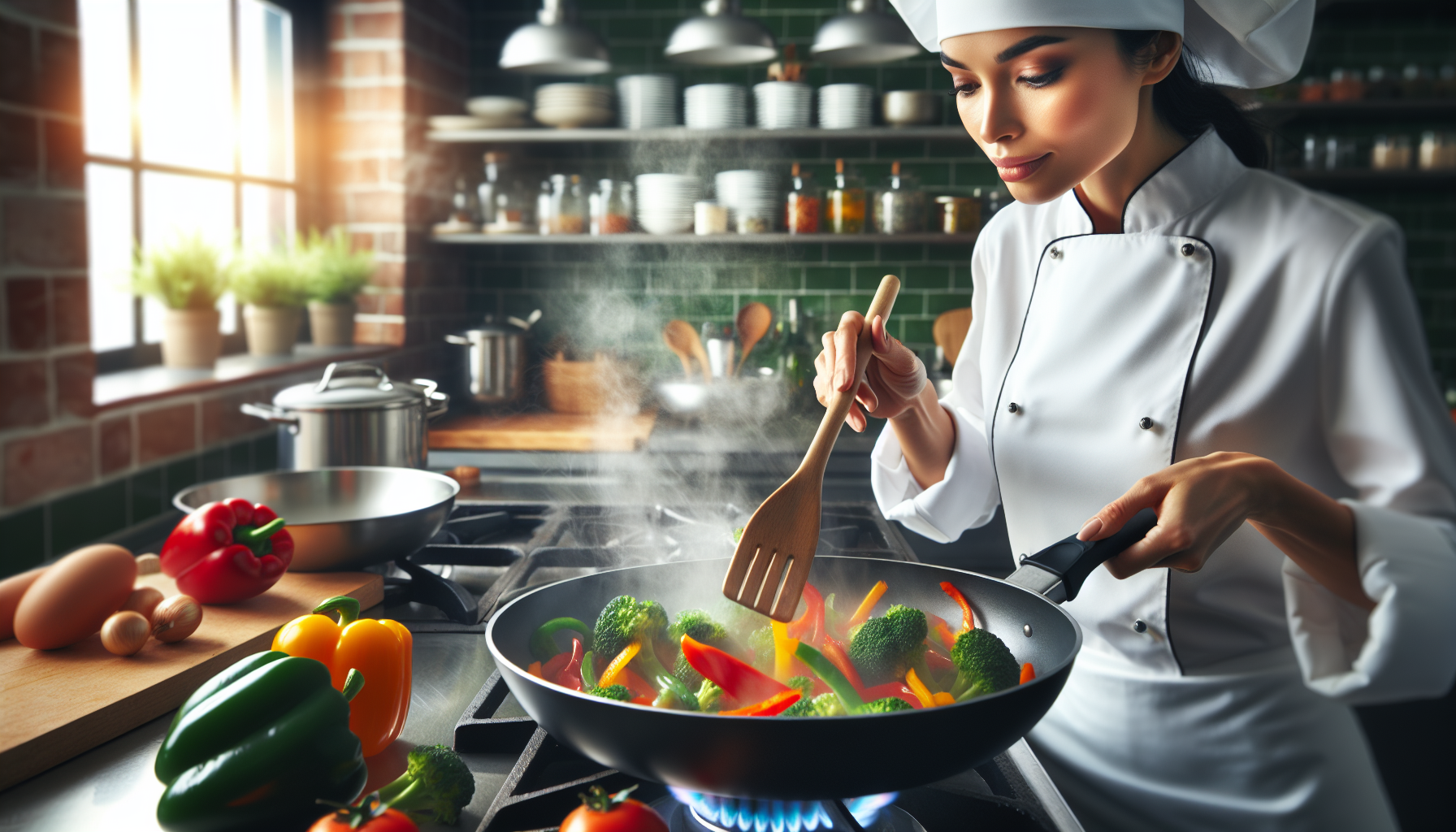
The Art of Sautéing: Techniques for Perfectly Cooked Vegetables
Understanding Sautéing
Sautéing is a cooking method that involves cooking food quickly in a small amount of fat over relatively high heat. The term “sauté” comes from the French word “sauter,” which means “to jump.” This aptly describes the way ingredients dance in the pan when heated. When it comes to vegetables, sautéing can enhance their natural flavors, colors, and textures, making them an excellent side dish or a main component of a meal.
Equipment Needed for Sautéing
-
Sauté Pan: A sauté pan with a wide, flat bottom and relatively high sides is ideal. The wide surface ensures maximum contact with the heat, allowing for even cooking.
-
Heat Source: A stovetop is typically used, but induction cooktops can also be efficient for precise temperature control.
-
Utensils: A wooden spoon or a spatula is essential for stirring without damaging the pan’s surface.
-
Lid: While not always necessary, a lid can help in steaming vegetables during the sautéing process, allowing them to cook more evenly.
Ingredient Selection
The key to successful sautéing is the selection of fresh, seasonal vegetables. Choose vegetables that complement each other in terms of cooking time and flavor. Here are some popular options:
- Hard Vegetables: Carrots, bell peppers, and broccoli usually take longer to cook and should be cut into smaller pieces for quicker cooking.
- Soft Vegetables: Zucchini, mushrooms, and spinach cook faster and should be added later in the sautéing process.
- Aromatics: Garlic, onions, and ginger can greatly enhance flavor but should be added at the right moment to prevent burning.
Basic Sautéing Techniques
-
Prepare the Ingredients:
- Wash and dry vegetables thoroughly to remove excess moisture. Cut vegetables into uniform sizes to ensure even cooking.
- Mince or chop aromatics like garlic and onions finely to release their flavors effectively.
-
Preheat the Pan:
- Place the sauté pan on medium to medium-high heat. Allow it to heat for a couple of minutes before adding oil. Test the heat by flicking a few drops of water into the pan; they should dance and evaporate quickly.
-
Choose the Right Fat:
- Use cooking oils with a high smoke point, such as canola, grapeseed, or avocado oil. For added flavor, olive oil can be used, but it’s best reserved for lower heat cooking or finishing dishes.
-
Add the Fat:
- Once the pan is hot, add the oil. Swirl it around to coat the pan evenly. You’ll know it’s ready when the oil shimmers or slightly ripples but doesn’t smoke.
-
Add the Vegetables:
- Start with vegetables that require a longer cooking time—like carrots or bell peppers. Stir them occasionally to ensure they brown evenly.
- After a few minutes, add softer vegetables such as zucchini or spinach. Stir frequently to prevent sticking.
-
Seasoning:
- Season vegetables with salt and pepper as they cook. Adding salt helps extract moisture from vegetables, enhancing their flavors. Add additional herbs and spices to taste during the last stages of cooking.
-
Monitor Cooking Time:
- Cooking times vary by vegetable. Generally, hard vegetables take about 5 to 7 minutes, while softer ones need only 2 to 4 minutes. Vegetables should be tender but still crisp, a state often referred to as “al dente.”
-
Add Aromatics:
- If using garlic or onions, add them after the firmer vegetables have begun to soften. This prevents burning and ensures their flavor infuses the dish.
-
Deglaze the Pan (optional):
- For added depth of flavor, consider deglazing the pan with a splash of vegetable broth, white wine, or balsamic vinegar once the vegetables are nearly done. Scrape the bottom of the pan to release any flavorful bits stuck to the surface.
Additional Sautéing Techniques
-
Batch Cooking: If cooking a large quantity, sauté vegetables in batches rather than overcrowding the pan, which can result in steaming rather than sautéing.
-
Color and Texture: For an appealing presentation, sauté vegetables until they are vibrant in color without losing their crunchiness.
-
Finish with Fresh Ingredients: Consider adding fresh herbs, lemon juice, or zest right at the end to brighten flavors.
-
Experiment with Techniques: Don’t hesitate to use variations like stir-frying, which uses a similar method but emphasizes quicker cooking with constant stirring using a wok.
Common Mistakes to Avoid
-
Overcrowding the Pan: Too many vegetables in the pan can cause them to steam instead of sautéing. Always cook in small batches if necessary.
-
Not Preheating the Pan: Skipping the preheating step can result in uneven cooking and soggy vegetables.
-
Wrong Oil Choice: Using oils with low smoke points can lead to burnt flavors. Always choose stable oils for high-temperature cooking.
-
Skipping Seasoning: Under-seasoned vegetables can taste bland. Season throughout the cooking process for better flavor integration.
Final Tips for Perfect Sautéed Vegetables
-
Use Fresh Ingredients: Fresh, seasonal vegetables will always yield the best flavor and texture.
-
Taste as You Cook: Regular tasting helps in adjusting seasoning and doneness.
-
Practice Makes Perfect: With time, you’ll develop an intuitive sense for cooking times and flavor balances.
-
Pair with Proteins: Sautéed vegetables can easily complement grilled meats or fish, making them versatile in meal planning.
-
Creative Combinations: Don’t hesitate to mix different types of vegetables. Combos like bell peppers, asparagus, and snap peas provide variety in texture and taste.
By mastering the art of sautéing, you can elevate your culinary skills, transform simple ingredients into spectacular dishes, and enjoy the fresh, vibrant taste of vegetables cooked to perfection.
advertisement