The Art of Plating: Turning Meals into Masterpieces
Understanding Plating
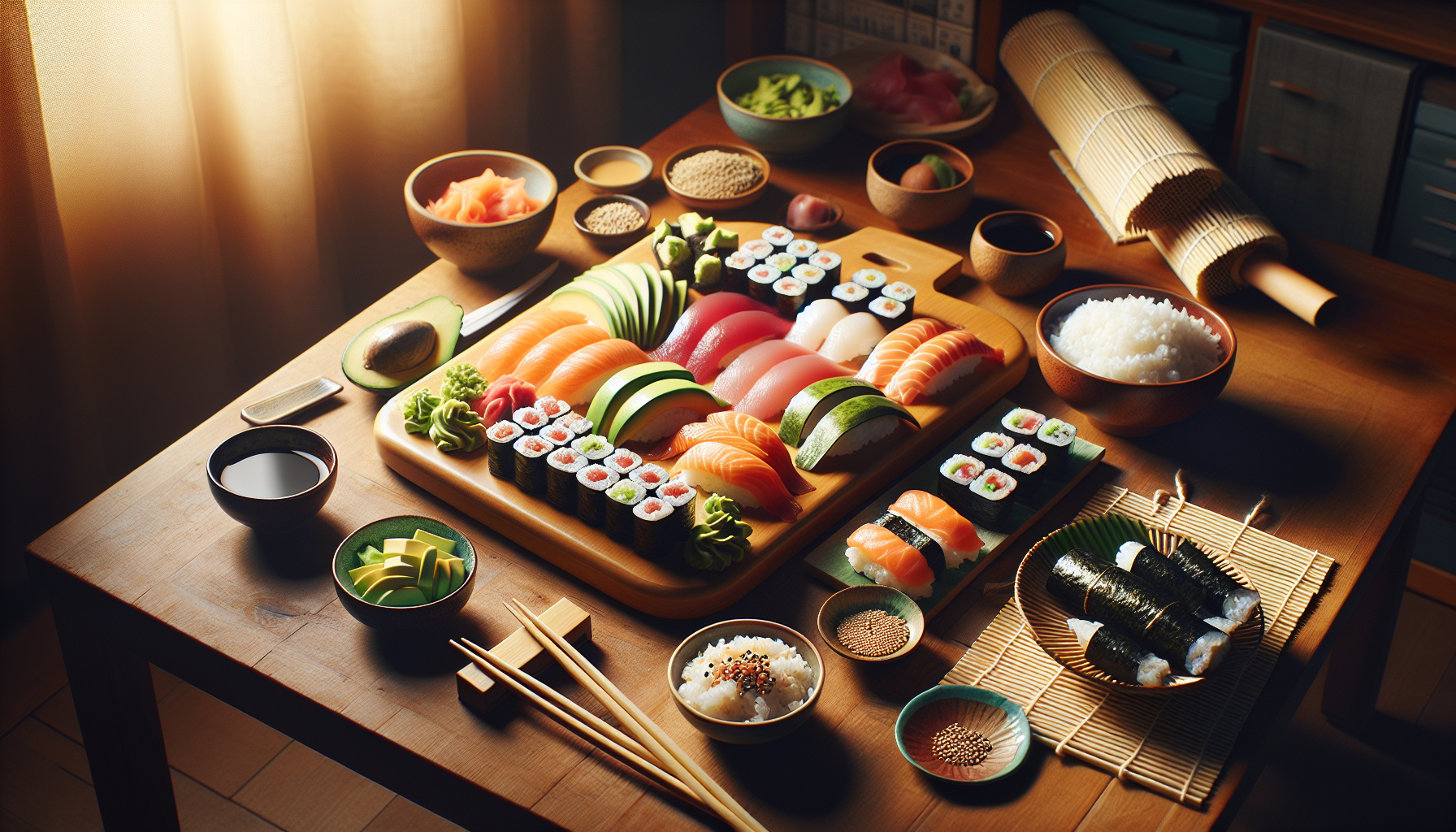
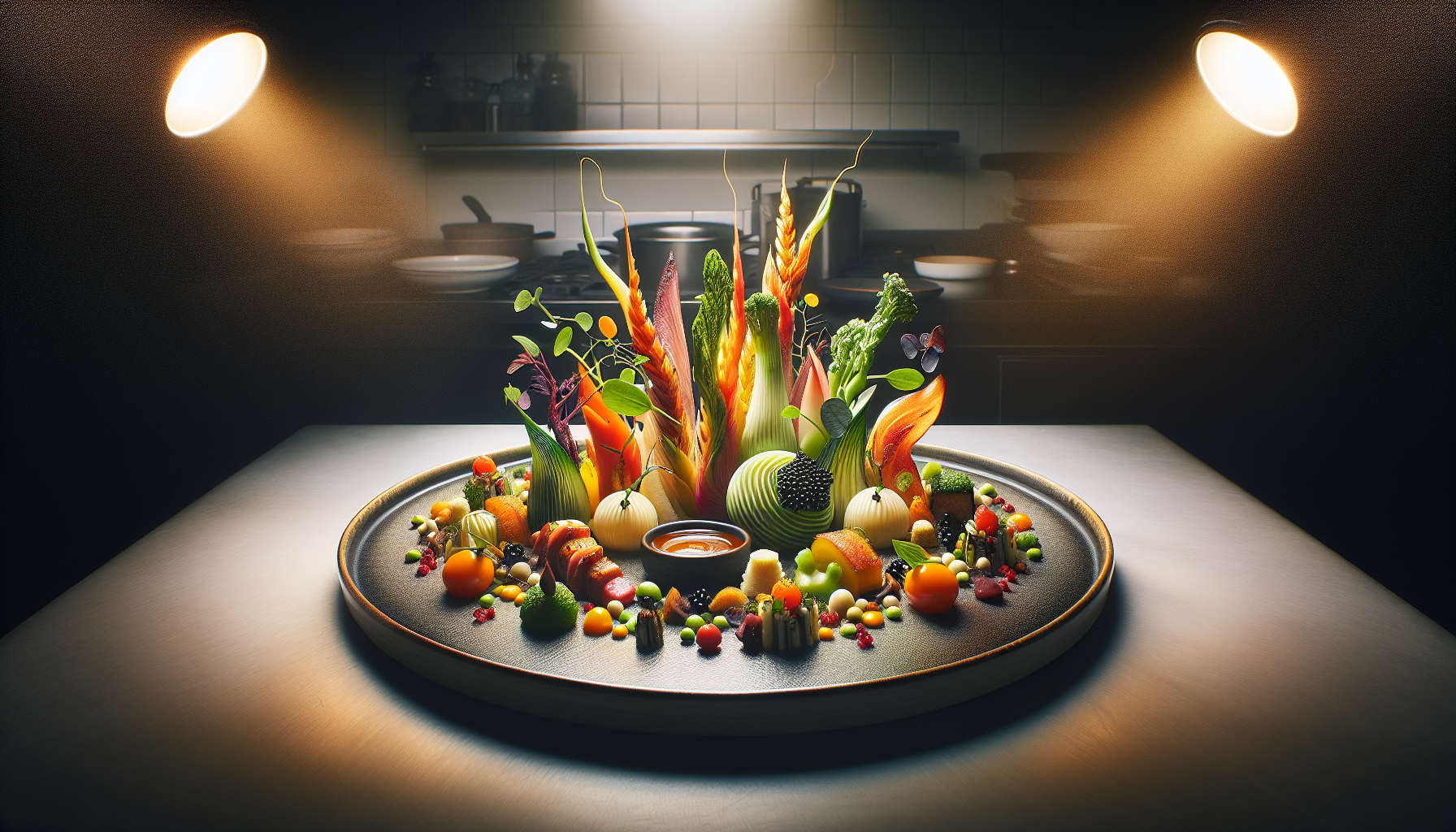
Plating transcends mere presentation; it transforms a meal into a visual journey. The most exquisite dish can be diminished by poor presentation, while a simple meal can be elevated to a culinary masterpiece through an artful arrangement. Recognizing that dining is a multisensory experience allows chefs to engage sight, smell, taste, and touch harmoniously.
Key Elements of Plating
-
Plate Choice: The type of plate sets the stage for your culinary creation. White plates are popular because they highlight the food’s colors and textures. However, colored or patterned plates can add drama when used thoughtfully. The plate’s size and shape also matter; larger plates create space for creativity, while smaller plates showcase intimate servings.
-
Color Harmony: Color plays a vital role in food plating. Harmonious color combinations can provoke appetite and intrigue. Utilize seasonal vegetables and herbs to add vibrant colors that contrast with each other. For instance, the fiery red of roasted beetroot pairs excellently with the green of herbs like basil or mint.
-
Texture Variance: Incorporating a variety of textures engages diners’ senses. Crisp vegetables, smooth purées, and succulent proteins create a well-rounded mouthfeel. For example, a creamy risotto can be complemented with crunchy fried shallots or fresh peas to introduce delightful contrast.
-
Garnishing Wisely: Garnishes should enhance, not overpower, the dish. Fresh herbs, edible flowers, or microgreens can uplift a plate by adding freshness and finesse. A drizzle of sauce or oil can also add a finishing touch, providing visual appeal and a burst of flavor without overwhelming the palate.
-
Layering: Layering food creates depth and intrigue. Begin with a base component, such as a puree or grain, and build upwards with proteins and vegetables. For instance, in a composed salad, start with greens, add sliced proteins, and top with vibrant garnishes for a well-balanced presentation.
Styles of Plating
-
Classic Plating: This approach focuses on symmetry and neatness. Dishes are composed with care, ensuring each component is proportionately placed. Classic presentations often use a central protein with sides arranged symmetrically around it. Sauces are typically “painted” on the plate in a classic style.
-
Asymmetrical Plating: Breaking away from traditional symmetry allows for creativity. Ingredients are placed in a seemingly random fashion while still maintaining balance. This style invites intrigue and can make the dish appear more avant-garde. It’s particularly effective in haute cuisine presentations.
-
Minimalist Plating: Emphasizing simplicity, minimalist plating seeks to focus attention on the main ingredient. The use of negative space (empty areas on the plate) is crucial in this style, as it accentuates the dish’s beauty and delicacy. Well-prepared ingredients speak for themselves, often resulting in stunning presentations.
-
Deconstructed Plating: This modern technique involves separating the components of a traditional dish and presenting them in a new context. A deconstructed burger might feature a juicy patty, a dollop of aioli, pickles, and bread components arranged artistically on the plate, allowing diners to explore the flavors individually.
-
Plating Trends: Staying updated with current plating trends can inspire creativity. From edible flowers to foams and powders, modern gastronomy embraces innovation. Techniques like smoke-infused presentations or edible containers are becoming popular, captivating diners and heightening the sensory experience.
Techniques to Master
-
Spoon and Ladle Techniques: Master the use of spoons and ladles to create swooshes, dots, and quenelles on the plate. A ladle can easily create beautiful, round shapes, while a spoon can artfully arrange and drizzle sauces to create dynamic patterns.
-
Height Creation: Adding height to a plate can make a dish more visually appealing. Stack components or use molds to elevate elements of a dish. A tower of grilled vegetables or a layered dessert invites curiosity and engages the eye.
-
Use of Tweezers: Precision is key. Using kitchen tweezers allows you to meticulously place delicate elements like microgreens, edible flowers, or truffle shavings, creating an intricately detailed presentation without compromising the dish’s integrity.
-
Temperature Control: The temperature of the food affects its plating. Hot foods should be served promptly to maintain their qualities, while cold dishes should be well-chilled. Failed temperature can lead to wilting greens or congealed sauces, impinging on the overall presentation.
-
Plate Chilling or Heating: Prepping your plates can enhance the dining experience. Warm plates keep hot foods at the optimal temperature, while chilled plates present cold dishes in a more appealing way. This thoughtful detail showcases the chef’s commitment to the dining experience.
Practical Plating Tips
-
Plan Your Layout: Before you begin plating, visualize the composition of your dish. Sketching your idea can provide a roadmap for your presentation.
-
Use a Ring Mold: For layered dishes like terrines or composed salads, ring molds can help create clean, uniform pieces, adding sophistication to the plating.
-
Tread Lightly with Sauce: Less is often more. A small pool, drizzle, or dot of sauce can elevate the dish’s aesthetic without overwhelming the palate.
-
Balance Portions: Ensure there’s a harmonious ratio between different components. Heavily loaded plates can create chaos, while thoughtful portions exude elegance.
-
Final Touches with Seasoning: A sprinkle of sea salt or a dash of pepper can serve as a finishing touch, adding a visual cue of taste. Consider the placement of any final seasonings, as they can enhance both presentation and flavor.
Inspiration from Culinary Greats
Many celebrated chefs have elevated plating to an art form. Renowned figures like Thomas Keller and Grant Achatz emphasize the importance of aesthetics in culinary delights. Their inspiration inspires budding chefs to take risks and embrace creativity in their presentations. Observing the work of such culinary artists encourages experimentation and innovation.
The Psychology of Plating
Recent studies demonstrate that the way food is presented can influence perceived taste and enjoyment. A beautifully plated dish can enhance expectations and make flavors seem more complex. A dish served artistically on a rustic plate can evoke feelings of nostalgia, while contemporary plating might inspire a more modern dining experience. Understanding the psychology behind plating enables chefs to create experiences that resonate with diners on multiple levels.
Sustainability in Plating
As sustainability becomes a more critical focus in the culinary world, the way we plate can reflect this ethos. Using local, seasonal ingredients not only enhances the plate’s aesthetic but also empowers chefs to support their communities. A mindful approach to food waste can manifest in plating practices, such as utilizing vegetable scraps as garnishes or sauces. This mindful representation can tell a meaningful story, contributing to the broader culinary narrative of sustainability.
Adventure in Dining
Ultimately, the art of plating is an invitation to adventure. When diners sit down to eat, they embark on a journey that begins with what their eyes see. A well-plated meal communicates its story before a single bite is taken. Every chef has the opportunity to paint their narrative onto the canvas of a plate, transforming ordinary meals into extraordinary experiences.
advertisement

The essence of plating lies in the balance of art and science, where flavors, colors, and textures unite to create a cohesive and enticing composition. Through thoughtful design and execution, any chef can transcend the boundaries of traditional dining, inviting diners to savor, explore, and relish each moment. Whether you’re a professional chef or a home cook, dive into the art of plating and watch as your culinary creations captivate not just the stomach, but the mind and heart as well.
advertisement