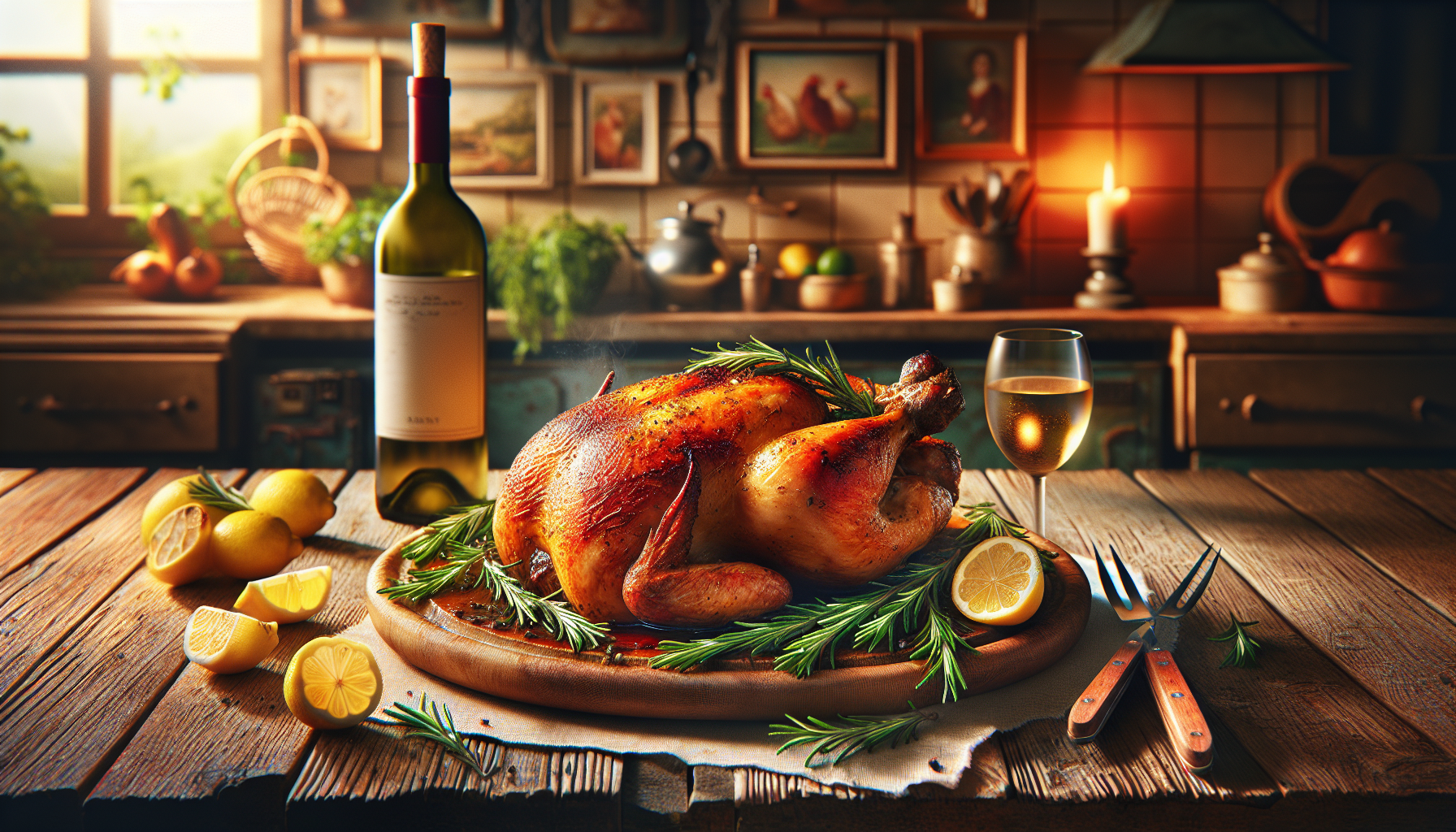
The Art of Perfectly Roasted Chicken
Understanding the Basics of Roasting
Roasting chicken is both an art and a science, with its roots deeply embedded in culinary traditions worldwide. The key to achieving that delectable golden-brown crust and juicy interior lies in grasping a few fundamental techniques and principles.
-
Choosing the Right Chicken
- Type: Opt for a whole chicken, preferably organic or free-range for better flavor and texture.
- Weight: A 3- to 4-pound chicken is ideal for roasting, as it’s manageable and cooks evenly.
- Freshness: Select the freshest chicken possible, and consider buying from local farms or reputable butchers.
-
Preparing the Chicken
- Thawing: If using a frozen chicken, ensure it’s fully thawed in the refrigerator at least 24 hours before roasting.
- Patting Dry: Use paper towels to thoroughly dry the chicken; moisture is the enemy of crispy skin.
- Trimming: Remove any excess fat around the cavity and neck.
Seasoning Your Chicken
Seasoning is key to elevating the dish’s flavors. Here are some suggestions for effective seasoning:
-
Salt and Pepper: Generously season the chicken, both inside and out. A good ratio is about 1 teaspoon of kosher salt per pound.
-
Herbs and Spices:
- Fresh Herbs: Consider thyme, rosemary, and sage for fragrant notes. Tuck them under the skin for flavor infusion.
- Garlic and Onion: Stuff a head of garlic and a quartered onion inside the cavity for subtle moisture and flavor.
-
Citrus: Adding lemon or orange halves can impart a delightful acidity that balances the richness of the meat.
-
Butter and Oils: For extra flavor and crispness, rub softened butter or olive oil under the skin and over the surface.
Preparing the Oven
The oven temperature and positioning greatly influence the outcome:
-
Temperature: Preheat your oven to 425°F (220°C). This high temperature facilitates crispy skin while allowing the meat to cook through.
-
Rack Position: Place the oven rack in the center. This promotes even air circulation around the chicken.
-
Pan Options: Use a roasting pan or a heavy-duty baking dish large enough to catch drippings. Consider a rack to lift the chicken off the bottom for better heat exposure.
The Roasting Technique
Follow these steps for an expertly roasted chicken:
-
Position the Chicken: Place the chicken breast-side up on the roasting rack. Tuck the wing tips under the body to prevent burning.
-
Initial Roasting: Roast the chicken for the first 30 minutes at 425°F. This helps to set the skin, making it crispy.
-
Reduce Temperature: After 30 minutes, reduce the temperature to 375°F (190°C) and continue roasting. Cook for approximately 20 minutes per pound, or until the internal temperature reaches 165°F (74°C) in the thickest part of the thigh.
-
Basting: Optionally, baste the chicken every 20 minutes with pan juices for extra moisture and flavor.
-
Resting: Once the chicken is done, let it rest for at least 15-20 minutes before carving. This allows the juices to redistribute, resulting in a succulent bird.
Alternative Roasting Methods
Experimenting with various cooking methods can yield different flavors and textures:
advertisement

-
Spatchcocking: By removing the backbone and flattening the chicken, you reduce cooking time and promote even roasting.
-
Beer Can Chicken: Secure a half-filled can of beer in the cavity for moisture and unique flavor while grilling or roasting.
-
Slow-Roasting: Cooking at a lower temperature (around 325°F/160°C) allows the chicken to self-baste in its fat, resulting in tender, juicy meat. This method takes longer but can produce remarkable results.
-
Herb-Crusted Chicken: Create a herb paste using fresh herbs, garlic, and olive oil, then coat the chicken before roasting for an aromatic crust.
Tips for the Perfectly Roasted Chicken
-
Know Your Oven: Every oven has its quirks. Use an oven thermometer to ensure accurate temperatures.
-
Use a Meat Thermometer: To avoid guesswork, invest in an instant-read meat thermometer. Insert it into the thickest part of the thigh but avoid contact with the bone.
-
Create a Flavorful Base: Roast vegetables such as carrots, potatoes, and onions beneath the chicken. They will absorb flavors from the drippings and create a delicious side dish.
-
Experiment with Marinades: Marinating the chicken for a few hours or overnight can add depth of flavor. Consider citrus-based, yogurt-based, or herb-infused marinades.
-
Check for Doneness Using the Juices: When pierced, the juices should run clear. If they’re pink, the chicken requires more time.
Carving the Chicken
Carving the chicken properly enhances the presentation and makes serving easier. Follow these steps:
-
Use a Sharp Knife: A sharp chef’s knife or carving knife is essential.
-
Remove the Legs: Start by slicing through the skin connecting the leg to the body, then cut through the joint to separate the thigh and drumstick.
-
Carve the Breast: Make a cut down each side of the breastbone and slice each half into portions.
-
Presentation: Arrange the carved pieces on a serving platter, adding herbs or lemon slices for garnish.
Common Mistakes to Avoid
-
Not Drying the Chicken: Moisture on the skin will steam the chicken, preventing crispiness.
-
Overcrowding the Pan: Ensure there is enough space for air circulation; overcrowded pans can lead to uneven cooking.
-
Checking Temperature Too Soon: Insert the thermometer once the chicken is nearing the suggested cooking time to avoid releasing juices.
-
Skipping the Resting Stage: This essential step impacts juiciness; avoid skipping it in a rush to serve.
-
Neglecting Flavors: Don’t be afraid to experiment with various seasonings, brines, or marinades to develop your signature roasted chicken flavor.
Serving Suggestions
Pair your perfectly roasted chicken with complementary sides:
-
Classic Roasted Vegetables: Carrots, Brussels sprouts, and potatoes tossed with olive oil and seasoning.
-
Creamy Mashed Potatoes: Serve with a homemade gravy made from the pan drippings for maximum flavor.
-
Fresh Garden Salad: A light salad with vinaigrette can balance the richness of the chicken.
-
Bread: Artisan bread or rolls help soak up delicious drippings.
By mastering the art of perfectly roasted chicken, you create a dish that can be both a comforting weekday meal or a centerpiece for lavish gatherings. The process is rewarding and provides a canvas for creativity in the kitchen. Embrace the methods, experiment with flavors, and enjoy the delicious results.
advertisement