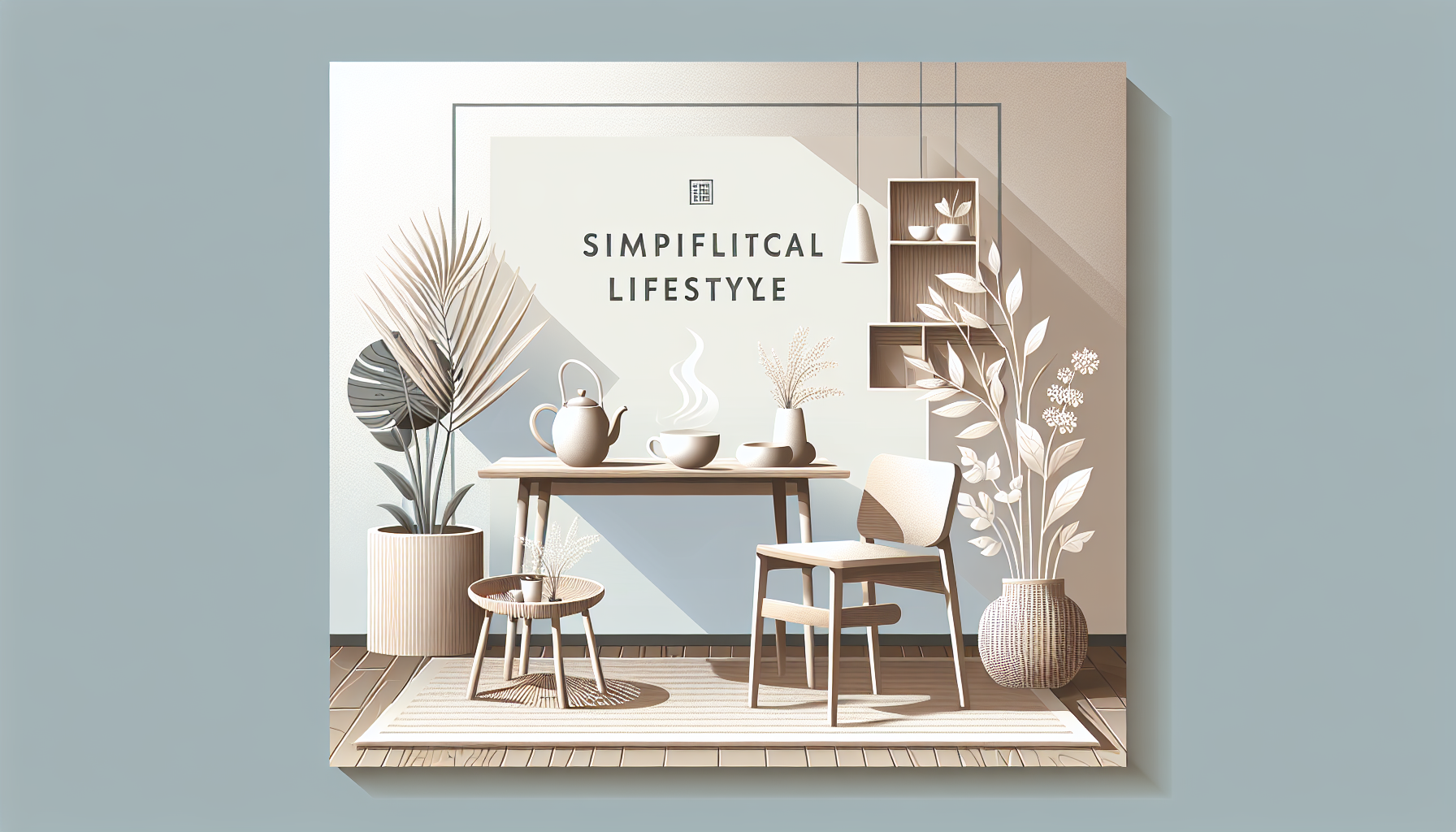
The Art of Minimalism: Embracing a Simplified Lifestyle
Understanding Minimalism
Minimalism is not just a trend; it’s a profound lifestyle choice that emphasizes the value of simplicity, clarity, and purpose. Defined by its core principle of stripping away the excess, minimalism encourages individuals to focus on what truly matters. This philosophy can be applied across various aspects of life, including possessions, time management, and mental clarity.
What Minimalism Is Not
It’s crucial to clarify that minimalism is often misunderstood. Many perceive it as merely an aesthetic choice characterized by empty spaces and monochrome palettes. In reality, minimalism transcends aesthetics. It entails a lifestyle dedicated to intentional living, where every possession, commitment, and thought has purpose and meaning.
Benefits of Minimalism
Enhanced Clarity and Focus
The first and foremost advantage of adopting a minimalist lifestyle is mental clarity. A clutter-free environment leads to a clutter-free mind. When you eliminate distractions, you can concentrate better on the tasks that truly matter. Numerous studies indicate that organizing your space can significantly reduce stress and anxiety levels.
Improved Financial Health
Adopting minimalism promotes better financial choices. By focusing on quality over quantity, minimalists often find themselves spending less and saving more. This shift in mindset discourages impulse purchases and encourages thoughtful investment in necessities, leading to improved financial stability.
Increased Time for What Matters
Minimalism allows individuals to reclaim time often lost in a cluttered lifestyle. By prioritizing what is essential, you free yourself from obligations, tasks, and possessions that do not add value to your life. This newfound time can be redirected toward hobbies, relationships, and self-care.
advertisement

Sustainable Living
The minimalist philosophy aligns closely with sustainable living. By owning fewer items, we reduce waste and our environmental footprint. Minimalism encourages mindful consumption, promoting the idea of purchasing high-quality, lasting products rather than disposable ones. This approach not only benefits personal well-being but also the planet.
Key Principles of Minimalism
Intentional Living
At the heart of minimalism lies intentionality. This principle suggests that anything you own or do should have relevance and purpose. Ask yourself: Does this item or commitment contribute to my happiness or growth in life? If the answer is no, it might be time to let it go.
Quality Over Quantity
Minimalism doesn’t mean deprivation; rather, it emphasizes quality. Invest in a few aesthetically pleasing, high-function items that enhance your life rather than a multitude of lesser-quality goods. This shift leads to greater satisfaction with fewer possessions.
Digital Declutter
In our digital age, minimizing physical clutter transcends into the digital realm. Regularly evaluate your digital life, from apps on your smartphone to emails inundating your inbox. Streamlining your digital presence can lead to a more organized and intentional life, mirroring the principles of minimalism.
Mindful Consumption
Minimalists advocate for thoughtful consumption. Before making a purchase, consider the longevity and necessity of the item. Engaging in mindful consumption can lead to more fulfilling and sustainable living.
Practicing Minimalism in Daily Life
Decluttering Your Space
-
Start Small: Begin by selecting one room or even a single drawer. Decluttering small areas can provide immediate satisfaction and motivate further action.
-
The Four-Box Method: Label four boxes as “Keep,” “Donate,” “Sell,” and “Trash.” As you go through your belongings, categorize each item accordingly. This technique facilitates a clear decision-making process.
-
30-Day Declutter Challenge: Commit to removing a specific number of items from your life each day — one item on day one, two on day two, and so on. By the end of the month, you’ll have eliminated 465 items.
Streamlining Routines
-
Time Audit: Keep a log of your daily activities for one week. Analyze how much time is consumed by various tasks. See where you can cut back and focus your energy on what truly matters.
-
Establish Priorities: List your top three objectives each day and focus solely on those. This principle encourages meaningful productivity rather than busy work that doesn’t yield significant results.
-
Create Routines: Having established routines allows you to eliminate decision fatigue. When your daily habits are set, you can conserve mental energy for more critical decisions.
Embracing Minimalism in Relationships
-
Quality Time Over Quantity: Rather than spreading yourself thin across numerous social engagements, prioritize deep and meaningful relationships. Time spent on connections that nurture and uplift you is far more valuable.
-
Open Communication: To cultivate simplicity in relationships, practice transparent communication with loved ones. Address misunderstandings promptly and ensure everyone’s needs are being considered.
-
Set Boundaries: Learn to say no. Minimizing obligations frees up time for relationships that truly enrich your life.
Minimalism and Mental Well-being
Minimalism contributes significantly to mental health. By creating an environment that is both calming and organized, you promote peace of mind. In addition to a decluttered space, practice mindfulness and meditation to enhance your mental clarity.
Mindfulness Practices
-
Meditation: Regular meditation can clear your mind and center your thoughts. Even a few minutes daily can foster a more profound sense of awareness and reduce anxiety.
-
Journaling: This practice helps organize thoughts and feelings, providing clarity and insight into what is essential in your life.
-
Nature Walks: Spending time in nature allows for reflection. It promotes a sense of calm and connection to the world around you, encouraging a minimalist mindset.
Minimalism and Creativity
While minimalism is often associated with simplicity, it can also enhance creativity. A decluttered mind and environment encourage innovation and fresh ideas.
Creative Practices
-
Limit Distractions: Set aside focused time, free from distractions, to engage in creative activities. This allows your mind to generate ideas without interruption.
-
Explore New Mediums: Experiment with different forms of creative expression. Whether it’s painting, writing, or music, embracing minimalism can help you focus on the essence of your work.
-
Collaboration: Engage with other creators to spark inspiration. Share ideas and feedback in a minimalist format that fosters collaboration over competition.
Conclusion (Omitted)
By adopting minimalism, you can cultivate a lifestyle rich in experiences, fulfillment, and purpose. Embrace the beauty of simplicity, and unlock a life that prioritizes clarity, peace, and connection.
advertisement