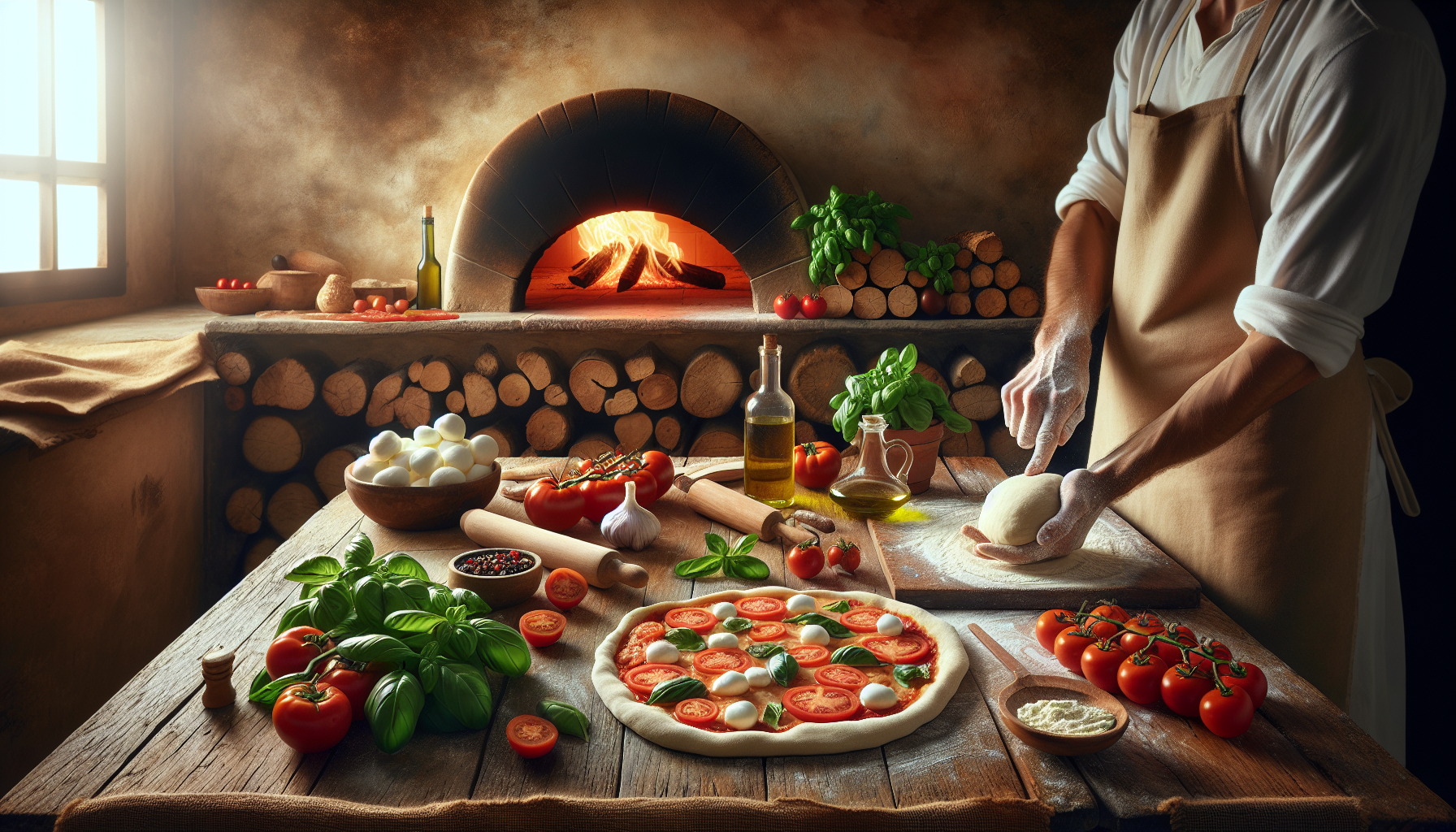
The Art of Making Authentic Italian Pizza
Understanding the Origin of Italian Pizza
Italian pizza has a rich history that dates back to the early 18th century in Naples, where it originated as a simple dish for the working class. Traditionally, pizza was made with basic ingredients: a dough base, tomatoes, cheese, and a few additional toppings. Its popularity skyrocketed after Queen Margherita of Savoy tasted it in 1889, leading to the creation of the Margherita pizza, featuring tomatoes, mozzarella cheese, and fresh basil to represent the colors of the Italian flag.
Essential Ingredients for Authentic Italian Pizza
1. Flour: The Foundation of the Dough
The key to great pizza lies in the flour. Types 00 and 0 flour are preferred for their high protein content, which contributes to a chewy yet crispy crust. The gluten developed during kneading allows the dough to stretch without tearing, creating that quintessential Neapolitan texture. Avoid bread flour and all-purpose flour for the most authentic experience.
2. Water: The Life of the Dough
Water plays a crucial role in achieving the right dough consistency. Use cold, filtered water to ensure a clean taste. The hydration level in your dough should be around 60-65%, allowing for optimal fermentation and a lighter pizza base.
3. Yeast: The Leavening Agent
For a classic Neapolitan pizza, use natural yeast (lievito madre) or active dry yeast. The slow fermentation process enhances the flavor. If you’re using active dry yeast, dissolve it in water for about ten minutes before mixing, which helps it activate properly.
4. Salt: Enhancing Flavor
Salt is essential for flavor and for controlling yeast growth during fermentation. Use fine sea salt or kosher salt, and avoid table salt with added iodine, which can affect the taste of your dough.
advertisement

5. Tomatoes: The Sauce
San Marzano tomatoes, grown in the volcanic soil of the San Marzano region near Naples, provide the authentic flavor for your pizza sauce. They are sweet and less acidic, making them perfect for a simple sauce. Crush the tomatoes by hand or use a food mill for a rustic texture. Adding a pinch of salt and a drizzle of extra virgin olive oil usually suffices.
6. Cheese: The Crown Jewel
Fresh mozzarella is the cheese of choice. Buffalo mozzarella (mozzarella di bufala) is the premium option, known for its creaminess and rich flavor. Slice the mozzarella into thick pieces and allow it to drain to prevent excess moisture from sogging the pizza.
7. Fresh Basil: The Aromatic Accent
Fresh basil enhances the aroma and flavor profile of the pizza. Use whole leaves, and add them either before baking for a more cooked flavor or after for a vibrant, fresh touch.
8. Extra Virgin Olive Oil: The Finishing Touch
Quality extra virgin olive oil elevates pizza, adding richness and depth. Drizzle a little on your pizza before serving, or use it as a dipping oil for the crust.
Step-by-Step Guide to Making the Dough
1. Mixing Ingredients
In a mixing bowl, combine flour and salt. In a separate bowl, dissolve the yeast in water. Gradually mix the water into the flour until a shaggy dough forms.
2. Kneading
Transfer the dough to a floured surface and knead for 10-15 minutes. The dough should become smooth and elastic. If you press a finger into the dough, it should bounce back.
3. First Fermentation (Bulk Fermentation)
Form the dough into a ball and place it in a lightly oiled bowl. Cover with a damp cloth or plastic wrap and let it rise at room temperature for about 2 hours or until doubled in size.
4. Pre-shaping
After bulk fermentation, punch down the dough to remove excess air. Divide it into equal portions (typically 220g for individual pizzas), and shape each portion into a tight ball.
5. Second Fermentation (Proofing)
Let the dough balls rest on a floured surface, covered with a towel for another 2-4 hours. This step prepares the dough for stretching and improves the overall texture.
Preparing the Pizza
1. Preheat Your Oven
For an authentic pizza experience, use a wood-fired oven if available. Preheat it to about 900°F (480°C). If you’re using a conventional oven, preheat it to the highest temperature possible, typically around 500°F (260°C). Consider using a pizza stone to mimic the conditions of a pizza oven.
2. Shaping the Dough
Flour your work surface and place a dough ball in the center. With your fingers, gently press down from the center to the edge, stretching the dough into a 10-12 inch circle. Avoid using a rolling pin as it flattens the dough’s texture and inhibits air pockets.
3. Adding Sauce and Toppings
Spread a thin layer of crushed tomatoes over the base, leaving a border for the crust. Distribute slices of mozzarella evenly, and scatter fresh basil leaves on top.
4. Baking
Transfer the pizza to your preheated surface. Bake for about 90 seconds to 2 minutes in a wood-fired oven or 8-10 minutes in a conventional oven, watching closely for the crust to puff and turn golden brown.
5. Finishing Touches
Once out of the oven, drizzle with extra virgin olive oil, sprinkle with fresh basil, or add a dash of sea salt or Parmesan cheese for extra flavor.
Regional Variations in Italian Pizza
Italian pizza varies by region, each with unique characteristics:
-
Neapolitan Pizza: The classic style, characterized by a soft, chewy crust, simple toppings, and a wood-fired oven.
-
Roman Pizza (Pizza al Taglio): Rectangular in shape, with a thicker, crispier crust, often sold by the slice.
-
Sicilian Pizza: Square-shaped with a thick, spongy base, commonly topped with tomato, onions, and anchovies.
-
Pisa’s Tonda: Rolled edges with a flat middle, filled with local ingredients like arugula and prosciutto.
Common Mistakes to Avoid
- Using Too Much Sauce: A thin layer enhances flavor without making the dough soggy.
- Overloading with Toppings: Less is more; allow the core ingredients to shine.
- Insufficient Kneading: Under-kneaded dough may lead to poor texture.
- Skipping Fermentation: Proper fermentation develops flavor and texture.
Tips for Pizza Perfection
- Practice Stretching: The more you stretch the dough, the more skilled you’ll become, achieving the right thickness and texture.
- Experiment with Flavors: While tradition is important, feel free to experiment with different toppings and variations while keeping the base authentic.
- Invest in Quality Tools: A pizza stone, peel, and a good oven thermometer can make a significant difference in the final result.
Conclusion
Creating authentic Italian pizza is a culinary art that combines history, quality ingredients, and precise techniques. The beauty of pizza lies not only in its taste but also in the joy of crafting it from scratch. By following this comprehensive guide, you are now equipped to explore the delicious world of authentic Italian pizza.
advertisement