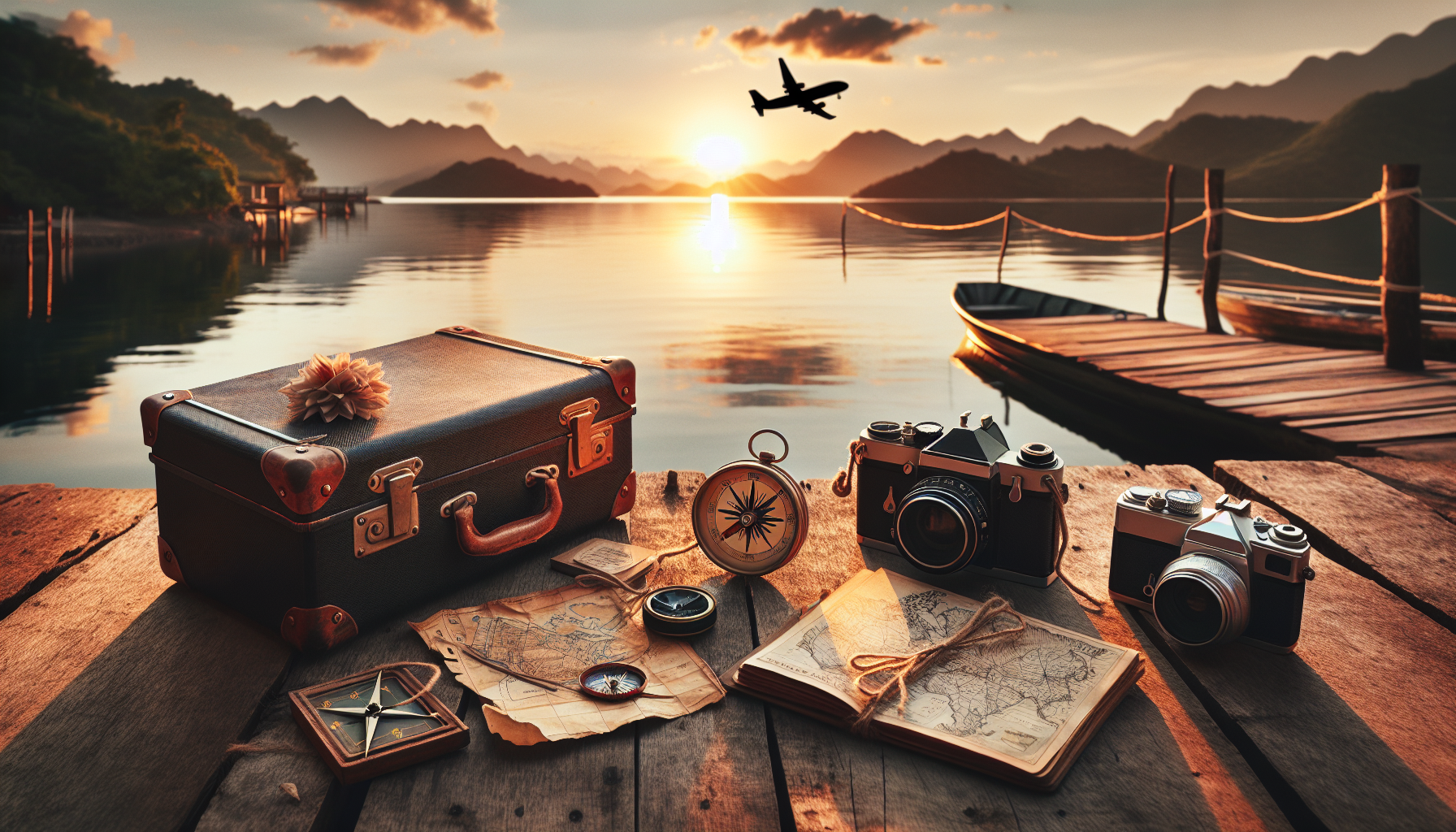
The Art of Intentional Travel: Creating Meaningful Experiences
Understanding Intentional Travel
Intentional travel transcends mere sightseeing; it is a conscious choice to engage deeply with the destinations we explore, embracing local cultures, people, and ecosystems. It focuses on meaningful experiences that resonate emotionally and intellectually, encouraging travelers to become more aware of their surroundings and the impact of their journeys.
The Psychology of Intentional Travel
The philosophy of intentional travel is rooted in positive psychology, which emphasizes the pursuit of fulfillment and well-being through experiences rather than material possessions. When travelers engage in intentional experiences, they often report higher satisfaction levels, deeper connections with people, and an enhanced sense of purpose.
Benefits of Intentional Travel
-
Personal Growth: Traveling with intent often pushes individuals out of their comfort zones, leading to personal growth and development. By stepping outside of familiar environments, travelers often confront their fears, develop new skills, and gain a different perspective on life.
-
Cultural Appreciation: Intentional travelers immerse themselves in local cultures, which promotes understanding and appreciation of diversity. Learning about traditional customs, trying local cuisines, and participating in cultural events fosters a deeper connection to the places visited.
-
Environmental Awareness: Traveling intentionally often involves eco-friendly practices that minimize carbon footprints and promote sustainability. By choosing eco-conscious accommodations and responsible tour operators, travelers can contribute positively to the planet.
-
Building Relationships: Meaningful travel goes hand-in-hand with meeting new people and forming lasting connections. Engaging with locals can lead to friendships, enriching stories, and a deeper understanding of the culture.
Key Principles of Intentional Travel
1. Purposeful Planning
Intentional travel begins with purposeful planning. Identify your motivations and set clear intentions for your trip, whether it’s to learn a new skill, volunteer, or simply explore a specific culture. Research potential destinations that align with your goals and create an itinerary that allows for flexibility and spontaneity.
Tips for Purposeful Planning:
- Set clear objectives: Define what you want to achieve from your travel experience.
- Research local customs: Understand the cultural norms, traditions, and languages of the destination.
- Choose ethical providers: Prioritize tour operators and accommodations that prioritize sustainability and community investment.
2. Embrace Slow Travel
Slow travel encourages you to savor every moment and deeply connect with the places you visit. Instead of rushing through a checklist of attractions, focus on fewer destinations and spend more time in each. This allows for more immersive experiences and opportunities for spontaneous discovery.
advertisement

Benefits of Slow Travel:
- In-depth learning: Spending more time in one location allows you to learn about the local culture and history.
- Enhanced connection: You’ll have the chance to forge deeper connections with locals, making your travel experiences more meaningful.
- Mindfulness: Slow travel promotes mindfulness and being present in the moment, enhancing overall enjoyment.
3. Prioritize Meaningful Experiences
Seek out experiences that resonate with you on a personal level. This could involve workshops, local classes, or engaging in community service. Participating in activities that align with your values adds depth to your journey.
Types of Meaningful Experiences:
- Cultural immersion: Attend local festivals or events to experience the culture first-hand.
- Volunteer opportunities: Work with local organizations to contribute positively to communities, even briefly.
- Educational activities: Take cooking classes or craft workshops to learn traditional skills.
4. Foster Connections
Building relationships during your travels can enhance the overall experience. Engage with locals, meet fellow travelers, and participate in social activities. These connections often lead to unforgettable stories and perspectives, enriching your travel experience.
Ways to Foster Connections:
- Stay in homestays or guesthouses: This accommodation option often allows for interaction with hosts and other guests.
- Join local groups: Attend meetups, classes, or community events that interest you to meet like-minded individuals.
- Use social media: Platforms like Couchsurfing or Meetup can connect you with locals before you arrive.
5. Document Your Journey
Capture your experiences thoughtfully, whether through writing, photography, or art. Reflect on your travels regularly, noting insights gained and emotions felt. This practice encourages mindfulness and makes your experiences feel even more significant.
Documentation Tips:
- Maintain a travel journal: Write entries about your experiences, thoughts, and feelings during your trip.
- Create a visual diary: Collect photographs, sketches, and mementos that encapsulate your journey.
- Reflect regularly: Dedicate time to review your notes and visuals, deepening the connection to your experiences.
The Role of Technology in Intentional Travel
1. Tools for Planning and Exploration
Numerous apps and websites cater to those seeking intentional travel experiences. Utilize these tools to discover off-the-beaten-path activities, ethical accommodations, and a wealth of local knowledge. Platforms like Airbnb, EatWith, and WWOOF can facilitate connections that enrich your travels.
2. Social Media for Connection
Social media platforms can act as valuable tools for intentional travel. Engage with travel blogs and influencers who focus on authenticity and sustainability. Use platforms like Instagram and Facebook to find local events or meet-ups that align with your interests, connecting you with locals and travelers alike.
3. Mindfulness Apps
Apps designed for meditation and mindfulness can enhance your travel experience by helping you stay present. Use these apps to incorporate moments of reflection during your journey, allowing for deeper connections with your surroundings.
Challenges and Obstacles in Intentional Travel
While engaging in intentional travel is rewarding, it may present certain challenges.
Avoiding Tourist Traps
Intentional travelers should remain vigilant to avoid falling into tourist traps that compromise authenticity. Researching alternative activities, restaurants, and experiences is key to maintaining genuine interactions.
Cultural Misunderstandings
Travelers may encounter cultural misunderstandings that can create barriers. Educating oneself about local customs beforehand can help mitigate these issues and enable respectful interactions.
Balancing Spontaneity and Structure
While intentional travel involves thoughtful planning, balancing structure with spontaneity is essential. Allow for unplanned adventures, as these often lead to the most memorable experiences.
Recommended Destinations for Intentional Travel
-
Bhutan: Known for its commitment to Gross National Happiness, Bhutan emphasizes cultural preservation and sustainability. Travelers can engage in local festivals, hikes, and community service initiatives.
-
Iceland: This country promotes eco-tourism and encourages understanding of its unique geology and traditions. Visitors can learn from local guides while exploring the breathtaking natural landscapes.
-
Tanzania: A destination for wildlife enthusiasts, Tanzania offers opportunities to support conservation efforts while experiencing diverse cultures and breathtaking landscapes.
-
Nicaragua: Known for its stunning biodiversity and vibrant culture, travelers can immerse themselves in local traditions, volunteer for community initiatives, and explore the country’s rich heritage.
-
Japan: Japan’s blend of modernity and tradition offers a wealth of opportunities for cultural exploration. Participate in tea ceremonies, stay in traditional ryokans, and engage with local artisans.
Practical Tips for Intentional Travel
-
Pack Light: A minimalist approach to packing encourages mindful consumption and makes travel more manageable. Consider items that are versatile and functional.
-
Learn Basic Phrases: Familiarizing yourself with the local language can significantly enhance your interactions. Simple greetings and polite phrases go a long way in establishing rapport.
-
Respect Local Customs: Understanding and observing local customs shows respect and fosters positive interactions with residents.
-
Engage Your Senses: Make an effort to engage all five senses when experiencing a new destination—taste the food, listen to local music, feel the textures of the environment, and observe the sights around you.
-
Reflect Post-Travel: After returning home, take time to reflect on your experiences. Share your insights with others, as it reinforces your memories and promotes continuous learning.
The art of intentional travel is a journey that requires thoughtfulness, curiosity, and engagement. By embracing this approach, travelers can forge meaningful experiences that enrich their lives and the communities they visit, ultimately fostering a greater understanding of our interconnected world.
advertisement