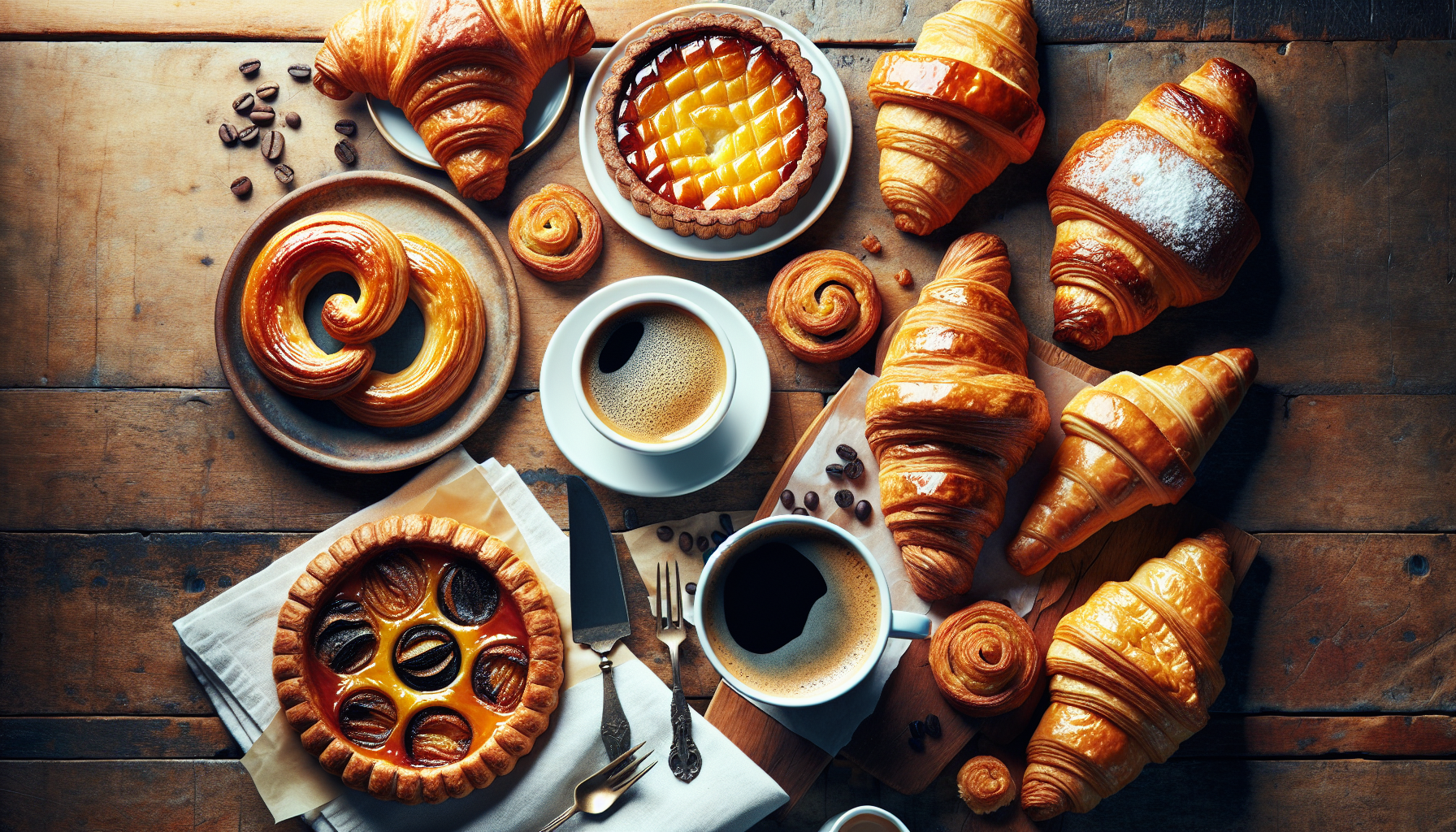
The Art of French Pastries: A Guide for Beginners
Understanding French Pastry
French pastries are not merely desserts; they embody a tradition steeped in culinary artistry, refinement, and a commitment to quality. Characterized by their meticulous preparation, delicate textures, and exquisite tastes, these pastries have gained worldwide acclaim. For beginners looking to dive into this gastronomic landscape, what lies beneath the surface of these exquisitely crafted items is crucial.
Types of French Pastries
French pastry comes in various forms, each with its unique preparation style and flavor profile. Here are the key categories beginners must grasp for a foundational understanding:
1. Pâté Sucrée and Pâté Brisée
- Pâté Sucrée: This sweet pastry dough is rich and crumbly, making it ideal for tarts and pies. It typically incorporates sugar into the dough, adding a delightful sweetness.
- Pâté Brisée: A savory pastry, Pâté Brisée is the go-to for quiches and savory tarts, featuring a basic mixture of flour, butter, and water.
2. Choux Pastry
Choux pastry is light, airy, and versatile. It serves as the base for éclairs, cream puffs, and profiteroles. The unique technique involves cooking the dough on the stove before baking, which creates steam that puffs the pastry, resulting in its characteristic airy texture.
3. Puff Pastry (Pâte Feuilletée)
Renowned for its flaky layers, puff pastry involves a labor-intensive process of folding butter into the dough multiple times to create thin layers. This pastry is the heart of croissants, palmiers, and various savory dishes like vol-au-vents.
4. Meringue
Meringue consists of whipped egg whites and sugar. When baked, it forms a crisp exterior while remaining chewy inside. Meringue is essential for other pastries like pavlova and îles flottantes.
advertisement

Essential Techniques
Learning the fundamental techniques of pastry-making is vital. Beginners should focus on mastering these methods:
1. Mixing & Kneading
The method of mixing pastry dough affects its texture. Shortcrust pastry should be handled minimally to maintain a crumbly consistency, whereas choux pastry requires thorough mixing to achieve a smooth, homogenous batter.
2. Rolling
Achieving the right thickness and evenness is crucial. Use a rolling pin and flour to prevent sticking, and ensure you rotate the dough frequently for a uniform thickness. Thinner dough is essential for flaky pastries like croissants.
3. Piping
For items like éclairs or macarons, piping is an art form. Ensure your piping bag is fitted with the appropriate nozzle and practice steady pressure for uniform shapes.
4. Baking
Proper baking temperature is critical. French pastries often require high temperatures for short durations to achieve the desired rise and texture. Invest in an oven thermometer to ensure accuracy.
Key Ingredients
Understanding the role of key ingredients in French pastries can enhance your pastry-making skills:
1. Flour
All-purpose flour is commonly used, but specialized pastry flour or cake flour can yield lighter, flakier pastries due to lower protein content.
2. Butter
Use unsalted butter for better control over the salt levels in your pastries. The quality of butter will directly affect the flavor and texture of the final product.
3. Sugar
Different types of sugar (granulated, powdered, and brown sugar) each have specific applications. For instance, powdered sugar is ideal for meringues, while granulated sugar works well in doughs.
4. Eggs
Eggs are a binding agent and can also enhance color and flavor. Room-temperature eggs integrate better into batters than cold eggs from the fridge.
Iconic French Pastries to Try
As a beginner, focusing on specific iconic pastries can help you expand your repertoire more effectively. Here are a few to get you started:
1. Éclairs
These elongated pastries filled with cream and topped with chocolate ganache capture the essence of classic French desserts. The choux pastry forms the base, and you can fill it with pastry cream flavored with vanilla or coffee.
2. Tarte Tatin
An upside-down caramelized apple tart, Tarte Tatin exemplifies the French palate with its rich flavors. Use a Pâté Brisée for the base, ensuring it’s blind-baked for a crisp result.
3. Macarons
Although they can be tricky, these delicate almond meringue cookies, filled with ganache or buttercream, are well worth the effort. Practice mixing the batter to achieve the perfect macaronage.
4. Croissants
The quintessential breakfast pastry, croissants require patience and practice. Perfecting the lamination process will yield flaky layers that are the hallmark of a quality croissant.
Tools of the Trade
Certain tools will facilitate your journey into French pastry-making:
- Digital Scale: Precision is key in baking, so having a scale ensures accurate measurements.
- Rolling Pin: Essential for evenly rolling dough, consider getting a French style (tapered at both ends).
- Pastry Brush: Ideal for applying egg washes or glazes.
- Piping Bags & Nozzles: Essential for filling and decorating pastries.
- Silicone Baking Mats: They prevent sticking, offer even heat distribution, and simplify cleanup.
Baking Tips for Success
Baking French pastries requires patience and attention to detail. Here are some tips to enhance your skills:
- Read Recipes Thoroughly: Familiarize yourself with the entire process before starting. Each pastry requires different techniques and timelines.
- Start Simple: Begin with straightforward recipes like madeleines or biscuit cookies before tackling the more complex ones.
- Practice: Mistakes happen; refine your techniques through practice, particularly with piping and rolling.
- Stay Organized: Prepare mise en place for your ingredients to streamline the preparation process.
Exploring French Pastry Culture
To truly appreciate French pastries, explore their cultural context. Consider visiting French bakeries or participating in baking classes to observe techniques firsthand. Engaging with local culinary communities, whether online or offline, can offer valuable insights and guidance.
Resources for Further Learning
To embody the spirit of French pastry-making, utilize the following resources:
- Cookbooks: “Dessert Person” by Claire Saffitz and “Pastry School: 101 Step-by-Step Recipes” by Le Cordon Bleu are excellent starting points.
- Online Courses: Platforms like Masterclass or Udemy offer structured pastry courses that can significantly enhance your skills.
- Baking Blogs: Websites like “Tartelette” and “The Little Paris Kitchen” provide recipes, tips, and inspiration for budding pastry chefs.
Join the Journey
Embracing the art of French pastry is about more than just creating desserts; it’s an exploration of flavors, textures, and techniques. Every layer of a croissant, every swirl of an éclair, tells a story. With time, practice, and dedication, you’ll develop the skills and passion needed to master these delightful French pastries. Engage with the baking community, share your experiences, and savor every moment spent in the kitchen. Through this journey, you will not only learn about pastries but also cultivate a deeper appreciation for one of the world’s most cherished culinary traditions.
advertisement