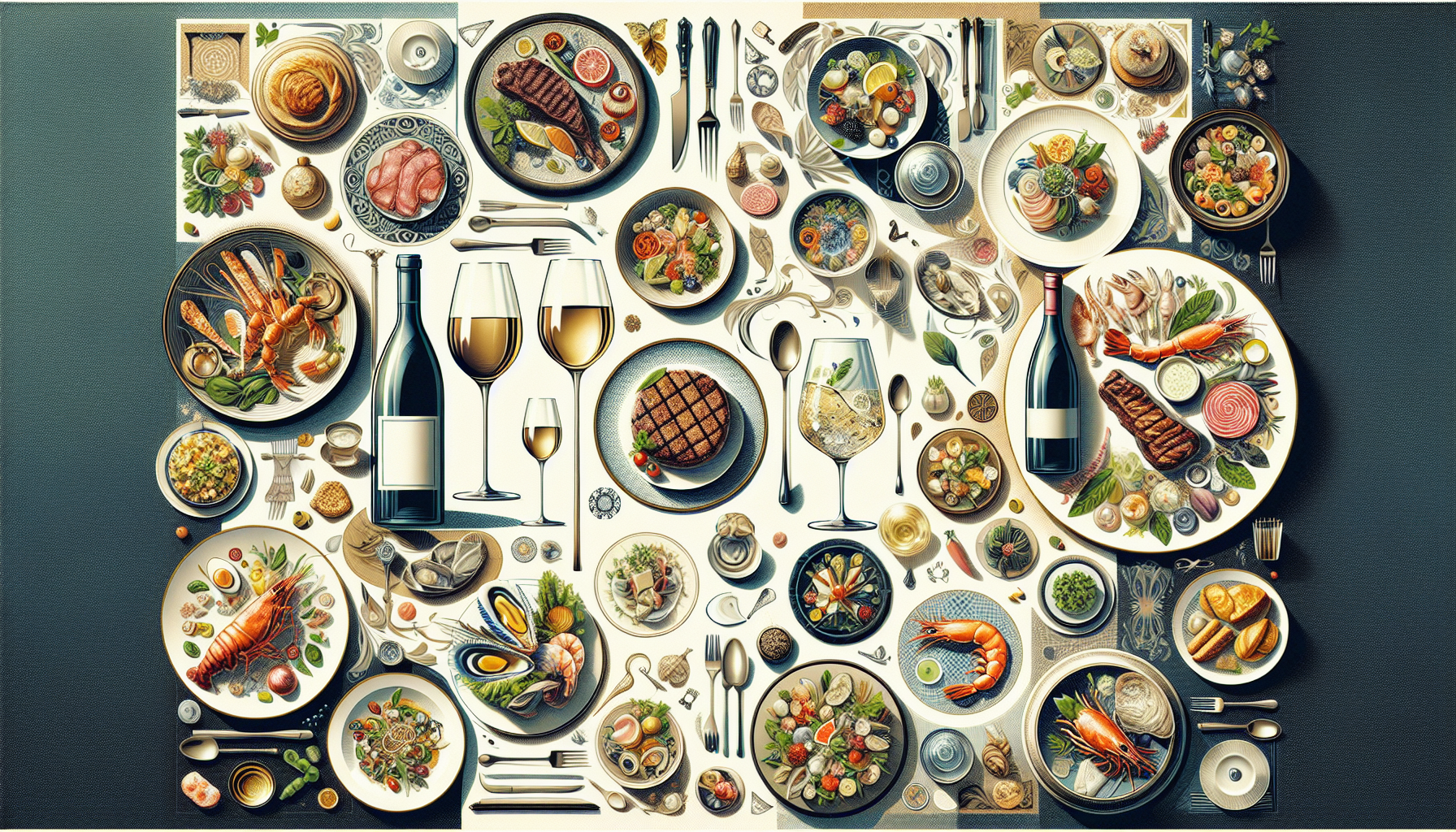
The Art of Food Pairing: Elevating Your Culinary Experience
The Science Behind Flavor Pairing
Food pairing is not merely a matter of taste; it is a complex interplay of chemical compounds, cultural traditions, and sensory perception. Understanding the science behind what makes certain foods complement one another can elevate your culinary experience significantly. The foundational theory lies in the concept of molecular gastronomy, which explores how flavor compounds interact.
Flavor Compounds: Various food items share common flavor compounds, allowing them to harmonize beautifully on the palate. For instance, the sweetness found in certain fruits can balance the acidity of citrus, creating a refreshing dish. The key to successful food pairing lies in identifying these compounds.
Contrast and Complement: Understanding how contrasting flavors can work together is crucial. Salty items can heighten the sweetness of desserts, while acidic components can lift heavier flavors in rich dishes. The interplay between sweet and savory is particularly notable in dishes that incorporate fruits with meats, such as pork with apple or duck with cherry.
The Flavor Wheel: A Guide to Pairing
Using a flavor wheel is an excellent way to visualize the relationships between different flavors. The wheel typically categorizes flavors into major groups: sweet, sour, salty, bitter, and umami.
- Sweet: Found in fruits, honey, and certain vegetables.
- Sour: Present in citrus fruits and vinegar.
- Salty: Found in cured meats, cheeses, and soy sauce.
- Bitter: Common in dark chocolate, coffee, and certain vegetables.
- Umami: Found in tomatoes, mushrooms, and aged cheeses.
By consulting the flavor wheel, one can identify complementary flavors enhancing a dish’s overall complexity.
advertisement

Seasonal Ingredients and Local Sourcing
Incorporating seasonal ingredients not only makes dishes taste fresher but also often improves the synergy between flavors. Seasonal fruits and vegetables are at their peak ripeness and flavor, providing a natural base for creating exceptional meals.
Farm-to-Table Movements: Support local farmers by choosing ingredients that are in season. For example, summer peaches can pair excellently with basil, while autumnal root vegetables like carrots and parsnips match well with warming spices like cinnamon and nutmeg.
Herbs and Spices: Fresh herbs can radically change the profile of a dish. Thyme with lamb, dill with salmon, and coriander with cilantro transform dishes due to their aromatic compounds.
Textural Elements in Pairing
Pairing isn’t solely about flavors; texture plays an integral role too. The contrast of textures can enhance the dining experience.
Crisp and Creamy: Think of a salad with crunchy nuts and creamy feta, or tacos filled with crunchy vegetables and a smooth avocado salsa. The interplay of textures keeps the palate engaged and interested.
Hard and Soft: Pair hard cheeses with soft, juicy fruits to create a spectacular tasting experience. Goat cheese spread on crusty bread topped with fig preserves delivers both flavor and textural harmony.
The Role of Temperature in Pairing
Temperature drastically affects taste perception. Hot dishes tend to emphasize certain flavors, while cold foods can bring out others.
Hot and Cold: Experimenting with hot and cold elements can provide a striking contrast. A dish like a warm chocolate lava cake served with a scoop of cold vanilla ice cream creates a delightful temperature juxtaposition.
Pairing Beverages with Food
Elevating a meal often involves thoughtful beverage pairing. A well-chosen drink can enhance the flavors of the food, creating a more holistic culinary experience.
Wine Pairing: The traditional pairing of wine with meals tends to follow certain rules. Red wines usually pair well with red meats, while white wines complement lighter proteins like chicken and seafood. However, freshness and acidity in wines can elevate dishes when matched correctly. For example, a crisp Sauvignon Blanc can cut through rich, creamy sauces.
Craft Beers and Spirits: The craft beer movement has introduced a myriad of options that provide additional pairing opportunities. IPAs can bring balance to spicy dishes, while stouts can enhance flavors in rich desserts.
Global Flavors: Embracing Diversity
Exploring global cuisines presents endless opportunities for innovative food pairing. As different cultures have unique approaches to flavor combinations, this offers an exciting palette to work from.
Asian Flavors: Ingredients like sesame oil, ginger, and soy sauce offer intense umami experiences when combined with proteins. Consider pairing black sesame with pork or ginger with scallops for a delightful fusion of flavors.
Mediterranean Tastes: Utilize a combination of olives, feta, and tomatoes, which can transform even the simplest of dishes. A salad drizzled with olive oil and lemon juice elevates fresh vegetables and proteins uniquely.
The Importance of Presentation
Plating not only affects the visual appeal of a dish but can also influence perceived taste.
Color Contrast: Use vibrant colors while plating to create a feast for the eyes. A colorful array of vegetables can enhance the dish’s appeal and expectations of taste.
Layering Techniques: Tall, stacked presentations can intrigue diners; consider layering ingredients in a parfait style or utilizing molds. Textural variance in presentation also plays a critical role in enjoyment.
Experimentation and Creativity
The best way to master the art of food pairing is through experimentation. Engage your senses—discover what works well together through trial and error.
Culinary Workshops: Attend workshops or cooking classes focused on food pairing to expand your understanding and skills. Engaging with chefs and home cooks alike will help inspire your culinary journey.
Food Pairing Apps: Several apps specialize in suggesting food combinations based on available ingredients. Utilizing modern technology can lead to unexpected pairings that may become personal favorites.
Final Thoughts on Food Pairing
The art of food pairing is a fundamental skill that combines the science of flavor with creative exploration. By understanding the building blocks of taste and the importance of texture, temperature, and presentation, culinary enthusiasts can create meals that resonate on an extraordinary level. Embracing diversity in flavors, seasonality, and global traditions will not only enhance your dishes but also elevate your overall dining experience.
Engaging with this art offers an infinite canvas for culinary expression, opening pathways to unexpected tastes and memorable meals. Whether you are a novice or an experienced chef, the principles of food pairing serve as an invaluable tool, inviting everyone into the world of great cooking and extraordinary flavor sensations.
advertisement