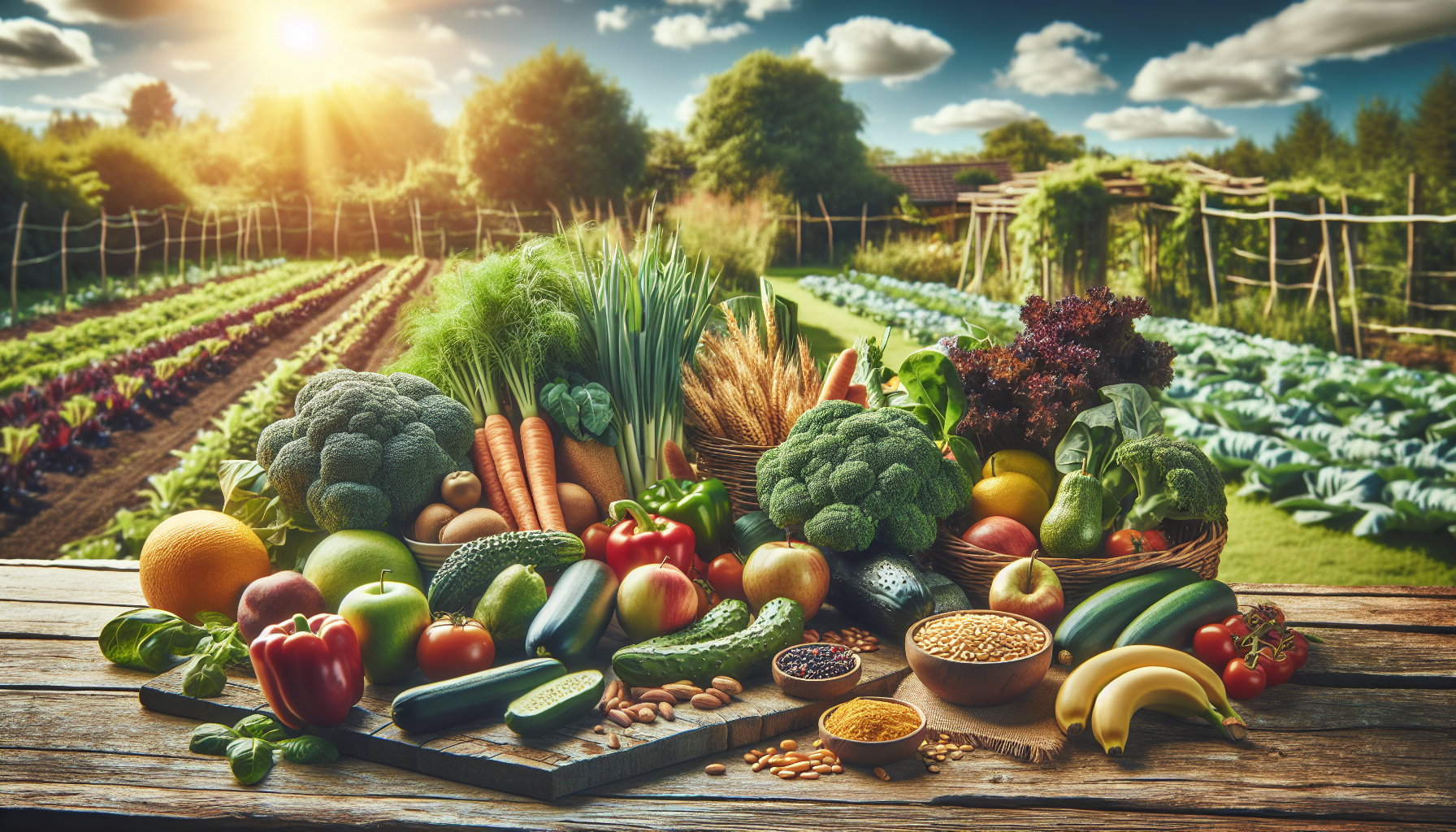
Understanding Sustainable Eating
Sustainable eating encompasses practices that are healthful, environmentally friendly, and socio-economically fair. It’s a holistic approach that aims to minimize our dietary impact on the planet while maximizing nutritional benefits. Among the most prominent trends in this movement is the rise of plant-based diets, which advocate a significant reduction or complete elimination of animal products.
The Environmental Impact of Animal Agriculture
Animal agriculture contributes significantly to climate change, deforestation, and biodiversity loss. A report from the Food and Agriculture Organization (FAO) indicates that the livestock sector accounts for over 14.5% of global greenhouse gas emissions—more than all the cars, planes, and trains combined. Cattle farming, particularly, requires expansive land for grazing and the growing of feed crops, leading to habitat destruction.
By opting for plant-based diets, individuals can reduce their carbon footprint. The World Resources Institute suggests that if everyone reduced their meat intake by half, it would cut global greenhouse gas emissions by 30%. This sustainable approach not only preserves ecosystems but also helps combat climate change for future generations.
Nutritional Benefits of Plant-Based Diets
Plant-based diets are rich in fruits, vegetables, whole grains, nuts, and seeds, which provide essential vitamins, minerals, and fiber. Research consistently shows that these diets promote health and prevent chronic diseases. A prominent study published in the Journal of the American Heart Association found that plant-based eaters had a lower risk of heart disease, high blood pressure, and type 2 diabetes.
Furthermore, plant-based diets are often lower in saturated fats and cholesterol, contributing to better heart health. The inclusion of diverse plant foods ensures that intake of antioxidants increases, which combat oxidative stress and inflammation in the body.
advertisement

The Rise of Veganism and Plant-Based Alternatives
Over the past decade, there has been a notable increase in the number of people adopting vegan and plant-based diets. The Vegan Society reports that the vegan population in the UK has risen by over 350% in the past decade. This dramatic change is fueled by a combination of health awareness, ethical considerations regarding animal welfare, and environmental concerns.
The proliferation of plant-based alternatives—such as dairy-free milk, meat substitutes, and cheese made from nuts—has greatly aided this shift. Companies like Beyond Meat and Impossible Foods have revolutionized the market by offering products that closely mimic the taste and texture of animal products. Their success has made it easier for individuals to transition to a diet with less reliance on animal agriculture.
Economic Considerations of Plant-Based Diets
Economically, incorporating more plant-based foods into one’s diet can be beneficial. Whole plant foods tend to be less expensive than meat and dairy products. Lentils, beans, and seasonal vegetables often cost less than meat cuts and processed foods, making plant-based diets accessible for those on a budget.
Moreover, agriculture focused on crops for human consumption rather than livestock helps to enhance food security globally. The Global Hunger Index indicates that approximately 690 million people worldwide go hungry, and shifting crop production away from animal feed could redirect resources towards feeding the population more effectively.
Cultural Acceptance and Changing Attitudes
The shift toward plant-based diets is also changing cultural attitudes toward food. Social media influencers and documentaries like Forks Over Knives and What the Health have raised awareness about plant-based living, encouraging many to consider this lifestyle.
Culturally significant events, from food festivals celebrating vegan cuisines to famous chefs embracing plant-based recipes, further endorse the message that one can enjoy diverse and delicious meals without meat. Cultural institutions, like the acclaimed culinary school Le Cordon Bleu, have incorporated plant-based cooking into their curriculum, signaling a significant shift in culinary training worldwide.
Challenges and Criticisms
Despite the numerous benefits, plant-based diets face challenges and criticisms. One common argument is that it can be challenging to obtain adequate protein and specific micronutrients, like Vitamin B12 and iron. However, with careful planning, one can easily meet nutritional needs through a varied diet of legumes, nuts, seeds, and fortified foods.
Another criticism is related to the notion that plant-based alternatives can be overly processed and unhealthy. While it’s true that some substitutes may contain additives and preservatives, a whole-food plant-based diet emphasizes unprocessed foods that provide maximum nutrition and health benefits.
Strategies for Transitioning to a Plant-Based Diet
Transitioning to a plant-based diet doesn’t have to be overwhelming. Here are some strategies for making the shift more manageable:
-
Start Gradually: Begin by incorporating one meat-free day a week and gradually increase. The “Meatless Monday” initiative has gained popularity for this reason.
-
Explore New Recipes: Delve into plant-based cooking by exploring diverse cuisines known for their vegetarian options, such as Indian and Mediterranean.
-
Meal Prep: Preparing meals in advance can help alleviate the stress of what to eat daily. Make sure to include a mix of proteins, grains, and vegetables in your prep.
-
Join a Community: Engaging with local or online vegan communities can provide support, recipes, and tips, making the transition easier and more enjoyable.
-
Educate Yourself: Learn about the nutritional aspects of plant-based foods. Books, documentaries, and workshops can provide insight and motivation.
The Role of Policy in Promoting Sustainable Eating
Governments and organizations play a pivotal role in promoting sustainable eating through policy and education. Initiatives that subsidize plant-based foods, impose environmental taxes on carbon emissions from animal agriculture, or promote sustainable farming practices can facilitate a global shift towards plant-based diets.
Educational programs in schools can also encourage children to appreciate the benefits of fruits and vegetables from a young age. School gardens, cooking classes, and nutrition education can foster a new generation that prioritizes sustainability and health.
Future Trends in Plant-Based Eating
The future of plant-based diets looks promising. As consumer demand for sustainable food options increases, innovations in agriculture and food technology will likely expand choices available to consumers. Cellular agriculture, where meat is cultivated from cells rather than animals, offers potential solutions for those hesitant to completely give up meat.
Functional foods—items engineered to provide additional health benefits—are also on the rise. Expect to see plant-based options that combat specific health issues become more prevalent as research evolves and consumer needs adapt.
The Conclusion of Dietary Evolution
In summary, the rise of plant-based diets is more than just a trend; it’s part of a necessary evolution towards sustainable eating practices. With significant environmental, health, and economic benefits, plant-based diets offer a compelling alternative to traditional consumption patterns. As awareness grows, individuals, communities, and policymakers must work together to embrace this necessary shift towards a more sustainable, equitable food future.
By understanding the various aspects of plant-based diets and actively engaging in this movement, society can contribute not only to personal health but also to the health of the planet.
advertisement