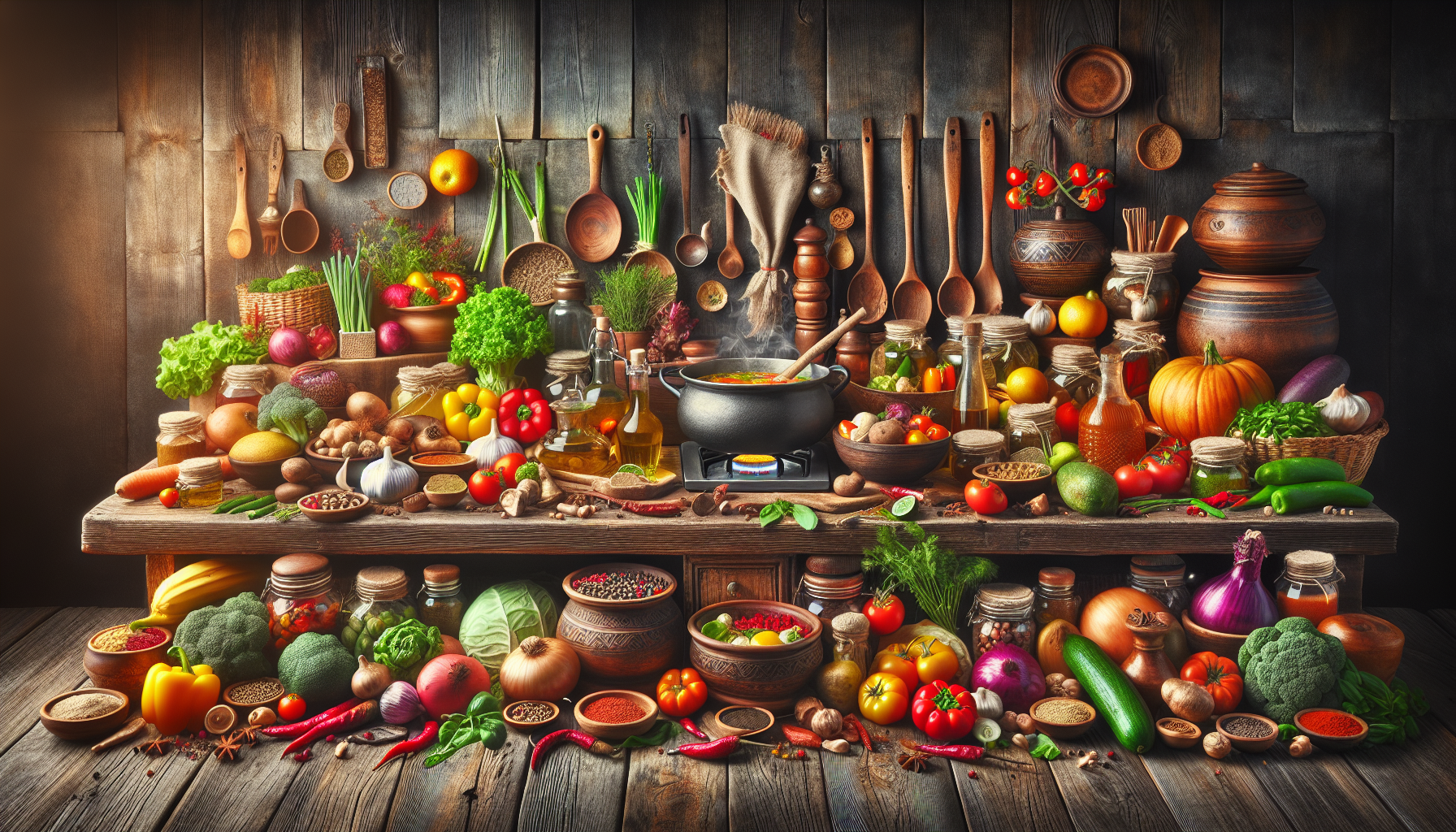
Savory Secrets: Exploring the Heart of Regional Cuisine
The Essence of Regional Cuisine
Regional cuisine represents the culinary traditions that arise from specific geographic areas. Each region offers unique ingredients, cooking techniques, and cultural influences, shaping its distinct dishes. Understanding these culinary identities fosters appreciation for local culture and history.
The Role of Geography in Cuisine
The geographical features of a region, such as climate, soil type, and proximity to water bodies, significantly affect the local cuisine. For example:
-
Coastal Regions: Areas like Provence in France utilize a bounty of seafood, herbs, and Mediterranean vegetables, resulting in dishes such as Bouillabaisse.
-
Mountainous Areas: Alpine regions often feature heavier, hearty meals due to colder climates, which yield ingredients like root vegetables and dairy, culminating in dishes like Fondue.
-
Rural Areas: In landlocked regions, fresh produce and livestock dictate traditional meals. Consider beef stews of the Midwest in the US or the various sausage dishes found throughout Germany.
Key Ingredients by Region
To appreciate regional cuisine, one must delve into the signature ingredients that define it.
-
Mediterranean Region: Olive oil, fresh herbs (like basil, rosemary), lemons, and various cheeses (like feta) dominate the culinary practices. The diet here prioritizes fresh, seasonal ingredients, accentuating natural flavors.
-
Asian Cuisine: Staples such as rice, soy, and an array of spices are critical. For instance, the use of lemongrass in Thai cooking not only adds citrusy notes but also reflects the agricultural bounty of Southeast Asia.
-
Latin America: Corn, beans, and chili peppers form the foundation of many dishes. The fusion of indigenous products with influences from Spanish colonization leads to unique flavors in dishes such as Tacos al Pastor or Peruvian Ceviche.
Traditional Cooking Techniques
Each region adopts specific cooking techniques that enhance the flavors and textures of local ingredients.
-
Grilling and Barbecuing (Southern United States): Smoky flavors from slow-cooked meats develop through specific woods or sauces, producing iconic dishes like Texas brisket.
-
Fermentation (Korean Cuisine): Traditional methods like Kimjang (the making of kimchi) preserve food and enhance flavors while reflecting the communal aspects of Korean culture.
-
Stewing (Eastern European Cuisine): Hearty stews are common, integrating meat and seasonal vegetables, simmered for hours to enhance depth of flavor — think of the Hungarian Gulyás or Russian Borscht.
Storytelling Through Food
Regional cuisines tell stories about the people, history, and culture of an area.
advertisement

-
Italian Cuisine: Italian cooking is divided into regions, with each showcasing local traditions. For example, the rich, creamy sauces of Northern Italy contrast with the tomato-based dishes of the South, reflecting agricultural variations and historical influences.
-
Spicy Mexican Dishes: Each state’s culinary offerings reflect indigenous practices combined with Spanish influences. For example, mole from Oaxaca combines chocolate and chilies, creating a narrative of cultural fusion.
Celebrating Food Festivals
Food plays an integral role in regional festivals, allowing communities to celebrate their heritage through shared culinary experiences.
-
La Tomatina (Spain): This famous tomato-throwing festival not only showcases tomatoes’ cultural significance but also facilitates community interaction through food.
-
Fête de la Gastronomie (France): This annual celebration emphasizes regional French cuisine, allowing chefs to showcase local ingredients, historical recipes, and the art of cooking.
Importance of Seasonal Ingredients
Seasonal eating is pivotal in regional cuisines, emphasizing sustainability and flavor.
-
Farm-to-Table Movement: This contemporary trend complements traditional practices, with chefs emphasizing local produce and heritage breeds. Seasonal ingredients allow dishes to shine in their freshest state.
-
Adaptation to Seasons: In regions like Scandinavia, where winters are long, food preservation techniques, such as pickling and smoking, have grown essential. Summer’s bounty transforms into winter provisions, highlighting the importance of natural cycles in cuisine.
Iconic Regional Dishes and Their Origins
Several dishes encapsulate the essence of their region, becoming symbols of local identity.
-
Feijoada: This Brazilian black bean stew incorporates various cuts of pork and beef, originating from African slaves’ influence on Brazilian cuisine. The dish is both a reflection of history and a symbol of social gatherings.
-
Paella: Rooted in Valencia, Spain, Paella showcases local rice, saffron, and seafood or meat. Its communal nature mirrors the Mediterranean lifestyle of sharing meals with family.
-
Curry: In India, regional distinctions are clear in curry styles, from creamy, mild Mughlai curries to the fiery, robust flavors of the South. Each region employs distinct spices, demonstrating a deep link to local agriculture.
Fusion of Global Influences
The global movement of people has led to culinary fusion, blending various regional cuisines.
-
Asian Fusion Cuisine: Restaurants blend traditional sushi with new elements, creating dishes like Sushi Burritos, showcasing creativity while paying homage to their origins.
-
Tex-Mex: This hybrid cuisine combines traditional Mexican dishes with Southern American influences, producing popular dishes such as Nachos and Fajitas, reflecting a rich cultural exchange.
The Importance of Preserving Culinary Heritage
As globalization impacts food systems, preserving regional cuisine has become paramount. Efforts such as the Slow Food Movement advocate for the protection of traditional recipes and local biodiversity:
-
Culinary Education: Workshops and culinary schools that focus on regional techniques ensure that younger generations appreciate and learn local cooking methods.
-
Heritage Ingredients: Organizations work to protect heirloom varieties of vegetables and grains, preventing the loss of unique flavors crucial to regional dishes.
The Influence of Technology on Regional Cuisine
Technology plays a significant role in how regional cuisines evolve.
-
Social Media and Food Culture: Platforms like Instagram promote regional dishes to a global audience. Viral food trends often inspire chefs to innovate while preserving traditional flavors.
-
Food Apps: Increasingly popular, these apps help food enthusiasts discover regional specialties, from street food to gourmet cooking, thereby promoting local markets and economies.
The Role of Culinary Tourism
Culinary tourism has emerged as a significant industry, allowing travelers to explore regional cuisines firsthand.
-
Food Tours: Travelers engage with local chefs and explore food markets, deepening their understanding of unique flavors and cooking practices.
-
Cooking Classes: Local cooking classes offer tourists a chance to learn about traditional recipes, connecting them to the culture and community of the region more intimately.
Conclusion
Understanding regional cuisines extends beyond mere taste; it embodies cultural heritage, historical narratives, and community bonding. From the essence of local ingredients to the storytelling of dishes, the exploration of regional cuisine opens a window into the heart of a culture.
advertisement