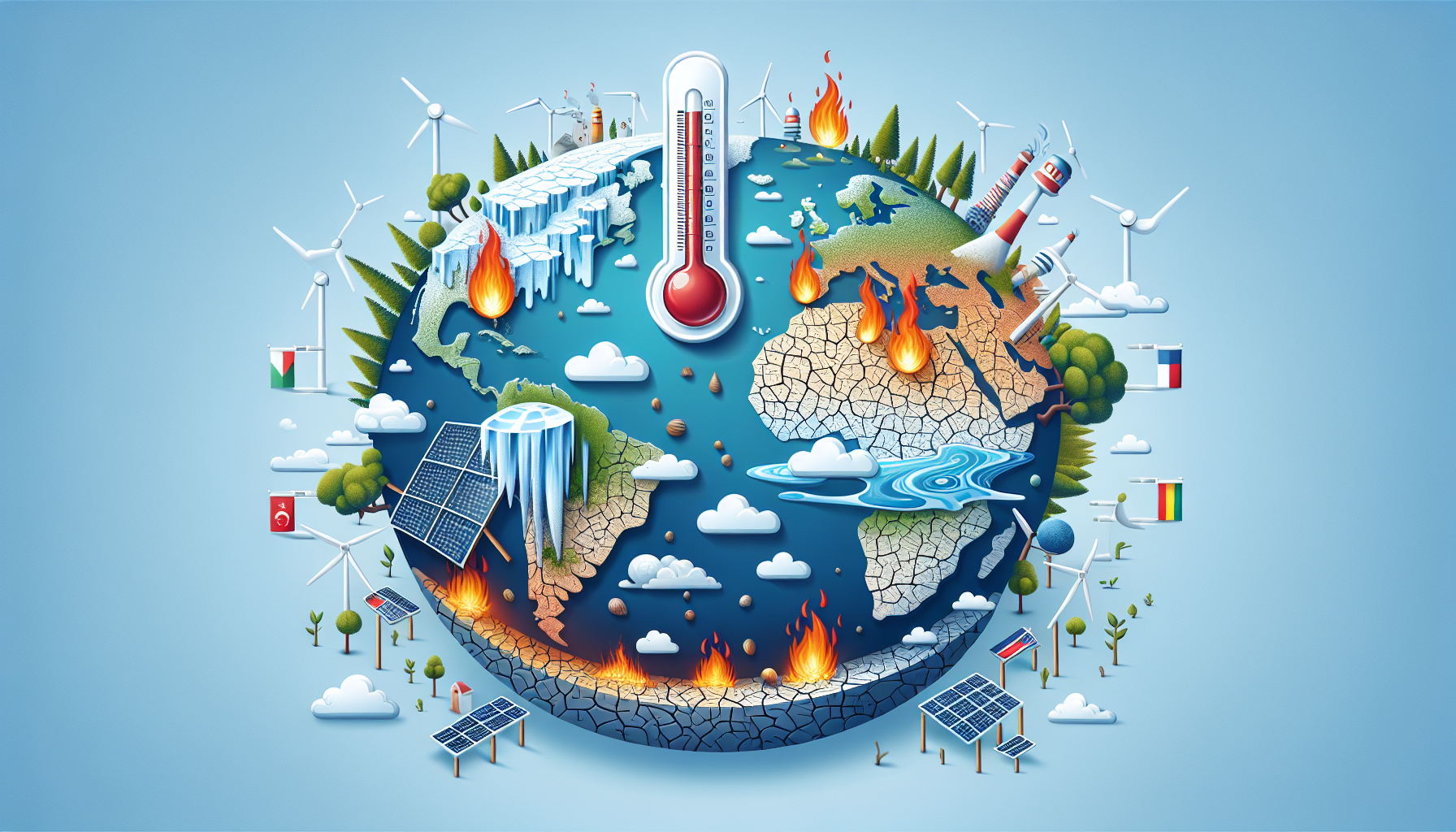
Global Climate Crisis Intensifies: Countries Ramp Up Emergency Measures
Understanding the Global Climate Crisis
In recent years, the climate crisis has escalated, manifesting in unprecedented weather patterns, rising sea levels, and widespread ecological disruptions. Human-induced factors, primarily the burning of fossil fuels, deforestation, and industrial pollution, have dramatically altered global climatic conditions. Climate scientists underscore that without immediate and substantial action, these changes will exacerbate, threatening biodiversity, agriculture, water resources, and human health.
The Reality of Climate-related Disasters
Countries worldwide are no strangers to the effects of climate change. For instance, record heatwaves, flooding, hurricanes, and wildfires illustrate the urgency for comprehensive climate policies. In 2023, various regions, including parts of Europe and North America, experienced catastrophic wildfires due to prolonged drought and high temperatures. The Atlantic hurricane season also saw fierce storms, influenced by rising ocean temperatures, causing significant infrastructural damage and loss of life.
Extreme Weather Patterns and Their Impact
The Intergovernmental Panel on Climate Change (IPCC) warns that extreme weather events are likely to occur more frequently and with greater intensity. Communities, particularly vulnerable populations, find themselves at greater risk. For example, in South Asia, seasonal monsoon delays have resulted in both severe flooding and droughts, crippling agricultural systems and threatening food security.
Sea Level Rise Threatens Coastal Areas
Another significant consequence of climate change is rising sea levels, which threaten coastal cities across the globe. According to research published by the National Oceanic and Atmospheric Administration (NOAA), sea levels are projected to rise by up to 3 feet by the end of the century. This puts cities like Miami, New Orleans, and Jakarta on the front line, necessitating immediate climate adaptation measures.
National Responses to the Climate Emergency
As awareness of these dire consequences grows, countries are instituting emergency measures aimed at addressing the climate crisis. This section delves into the innovative policies and actions being implemented across the globe.
advertisement

Legislative Measures and Policy Frameworks
Many governments are moving towards declaring climate emergencies to bolster their climate action frameworks. For example:
-
European Union: The EU has introduced the European Green Deal, with aggressive targets to reduce carbon emissions. They aim to be carbon neutral by 2050, complemented by comprehensive policies to increase renewable energy use, improve energy efficiency, and support electric vehicles.
-
United States: After rejoining the Paris Agreement, the U.S. has outlined several initiatives, including a commitment to achieve net-zero emissions by 2050 and a significant investment in renewable energy infrastructure through the Infrastructure Investment and Jobs Act.
Investment in Renewable Energy
Transitioning to renewable energy sources has become a focal point for many nations. Solar, wind, and hydroelectric power are being prioritized as foul emissions from fossil fuels. China is leading the global charge with astounding investments in solar energy. The country is now home to the most extensive solar farm installations and aims to generate over 1,200 GW of solar power by 2030.
The U.S. has also doubled down on solar energy installations, incentivized by federal tax credits and state-level policies, pushing for an ambitious target of 80% carbon-free electricity by 2030.
Technological Innovations
Countries are increasingly harnessing technology to combat climate change. Innovations include:
-
Carbon Capture and Storage (CCS): A critical technology under development, CCS aims to capture carbon dioxide emissions from industrial processes, storing it underground to prevent it from entering the atmosphere.
-
Artificial Intelligence: AI applications are being employed to optimize energy consumption in buildings and create smarter energy grids that can effectively distribute renewable energy.
Community Adaptation and Resilience Measures
Emergency measures are not solely a top-down approach; communities are also taking unprecedented steps to enhance resiliency against climate impacts.
Local Sustainable Practices
Many cities have initiated localized sustainability programs that work towards reducing their carbon footprint. Urban areas are designing green infrastructure, such as parks and green roofs, to mitigate heat accumulation while improving air quality.
For example, Amsterdam has implemented a “circular economy” initiative aimed at minimizing waste through recycling and upcycling processes. This initiative encourages local businesses to adopt sustainable practices, benefiting both the economy and the environment.
Climate Resilience Hubs
Communities are establishing climate resilience hubs that serve multiple purposes, including providing education on climate adaptation, serving as emergency shelters during climate events, or serving as farming cooperatives that encourage local food production.
Global Climate Initiatives and Collaborations
International collaboration is vital to address the climate crisis, as it transcends national borders. Various multilateral agreements and frameworks provide a platform for action.
The Paris Agreement
The Paris Agreement remains a critical framework, with 197 countries committing to limiting global warming to well below 2 degrees Celsius, ideally aiming for a cap at 1.5 degrees. The need for countries to submit Nationally Determined Contributions (NDCs) every few years ensures accountability and progression towards climate goals.
The UN Climate Change Conferences (COP)
The UN Climate Change Conferences (COP) offer a stage for nations to negotiate climate action plans and share best practices. COP26 and COP27 emphasized the importance of emissions reductions and financial aid for developing nations, which are disproportionately affected by climate change.
International Financial Support
Financial mechanisms, such as the Green Climate Fund, have been established to support developing countries in implementing climate smart policies. By distributing funds aimed at climate adaptation and mitigation, developed countries can aid global climate efforts.
Challenges and Criticisms of Emergency Measures
Despite the growing momentum behind climate action, challenges remain. Some countries face criticism for setting ineffective targets or failing to meet previous agreements. Moreover, the urgent need for climate action often clashes with economic policies and local governance issues, complicating the path forward.
Economic Constraints
Developing countries frequently cite financial limitations as a barrier to undertaking significant climate initiatives. Balancing economic growth while investing in environmental sustainability proves complex, potentially leading to energy poverty.
Greenwashing Concerns
The term “greenwashing” has emerged as a critical critique of companies and governments that portray an eco-friendly image without backing it up with substantial action. As consumer awareness rises, the importance of authentic, measurable climate action has intensified.
Future Outlook and Global Perspectives
As the global climate crisis intensifies, awareness and advocacy grow exponentially. Citizens are becoming increasingly involved in climate-related initiatives, demanding accountability and transparency from their governments. Community-led movements, often referred to as “climate strikes,” have engaged millions worldwide, emphasizing youth activism’s role and the necessity for transformative action.
Educating and Mobilizing the Public
Efforts to improve climate literacy continue, with educational institutions embedding climate science into their curricula. Furthermore, community organizations are leveraging social media platforms to mobilize public opinion, successfully influencing policy decisions at local, national, and international levels.
The Role of Financial Markets in Climate Solutions
Financial markets are evolving, with sustainable investment strategies gaining traction. Investors are seeking companies with sustainable practices and high ESG (Environmental, Social, and Governance) scores, driving companies towards more responsible actions.
Integrating Climate Solutions into National Security
National security is increasingly viewed through the lens of climate change, as climate-related risks can destabilize regions, leading to conflict and humanitarian crisis. Policymakers are encouraged to integrate climate resilience into their national security strategies, recognizing that environmental degradation often correlates with social unrest.
Conclusion
Nations worldwide are scrambling to implement measures to combat the escalating climate crisis. The fusion of technological innovation, policy reforms, and community engagement marks a pivotal moment in global responses to climate challenges. As the stakes rise, the collaboration between governments, companies, and individuals remains crucial to crafting a sustainable future for generations to come.
advertisement