The Cultural Significance of Street Food
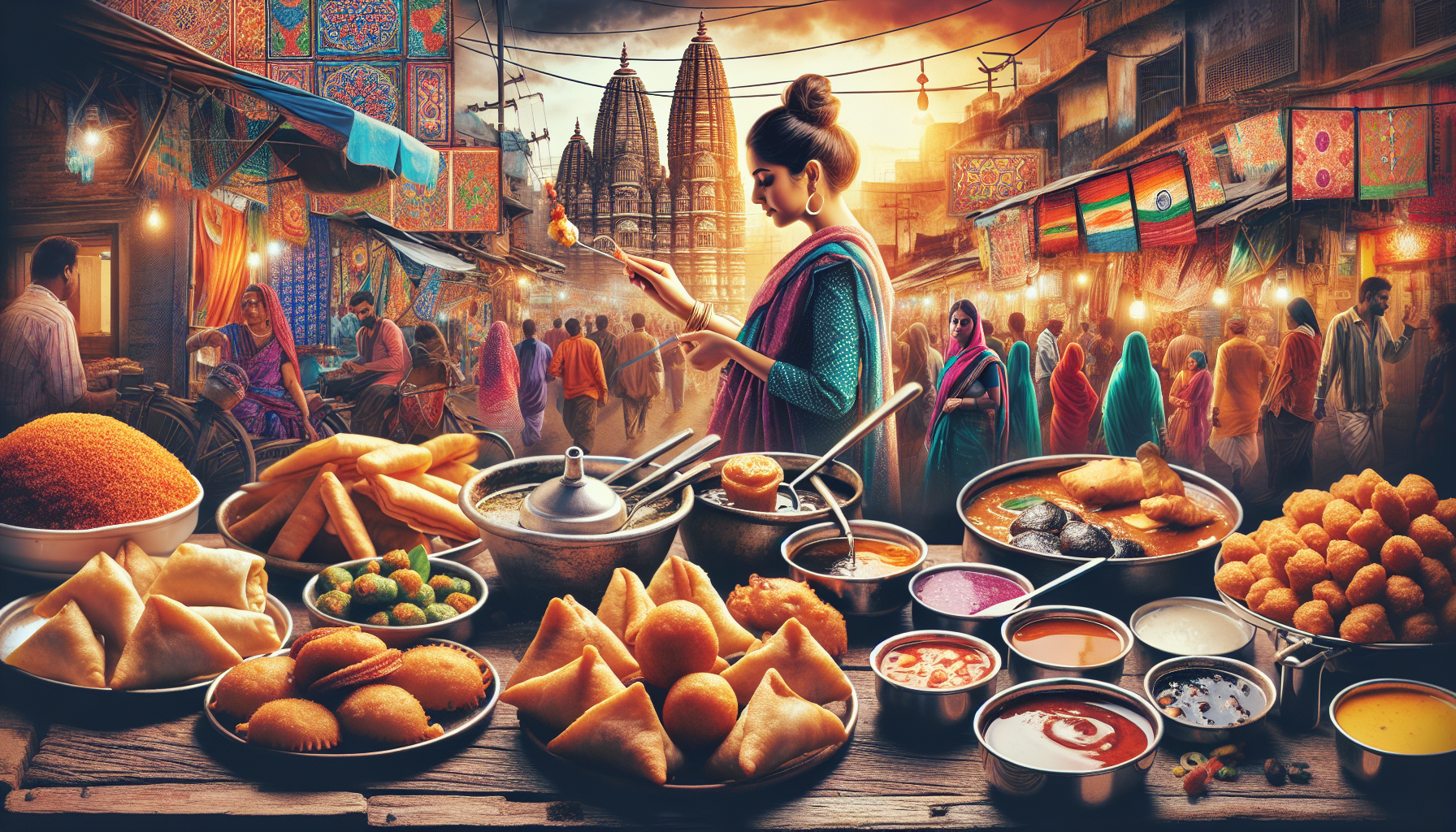
Street food is much more than a quick bite; it is an integral part of the cultural fabric of societies around the globe. Each city or region showcases its own unique offerings, influenced by indigenous ingredients, local history, and cultural traditions. From the bustling streets of Bangkok to the vibrant bazaars of Istanbul, street food reflects everyday life, traditions, and social interactions. It’s a reflection of a community’s history and artistry, representing the blending of flavors and techniques passed down through generations.
Types of Street Food
Street food can be categorized into several types depending on ingredients, cooking methods, and origin. Here are some prominent categories:
1. Snack Foods
These quick bites are perfect for those on the move. Examples include:
- Tacos (Mexico): Corn tortillas filled with an array of fillings from grilled meats to beans and topped with salsa and guacamole.
- Samosas (India): Deep-fried pastry filled with spiced potatoes, peas, and sometimes meat, often enjoyed with tangy chutneys.
- Takoyaki (Japan): Grilled octopus balls, crispy on the outside and soft on the inside, served with a drizzle of savory sauce and bonito flakes.
2. Full Meals
Street food can also offer nutritious meals in a portable format.
- Banh Mi (Vietnam): A French baguette filled with pork, pickled vegetables, and herbs, exemplifying the blend of Vietnamese and French culinary traditions.
- Falafel (Middle East): Deep-fried balls made from ground chickpeas or fava beans, typically served in pita bread with a variety of accompaniments.
3. Desserts
Street sweet treats exist worldwide to satisfy a sweet tooth.
advertisement

- Churros (Spain): Fried dough pastries, often sugar-coated and served with a cup of hot chocolate for dipping.
- Mochi (Japan): Sweet glutinous rice cakes that may be filled with red bean paste or ice cream, available in a plethora of flavors.
Health and Safety Considerations
As tempting as street food can be, it is essential to approach it with a mindful attitude regarding health and safety. Here are some tips:
- Observe Hygiene Practices: Look for vendors who maintain cleanliness and have high turnover rates. Check that food is cooked fresh and served hot.
- Local Recommendations: Dining where locals gather often means the food is not only authentic but also freshly prepared.
- Check Food Handling: Ensure vendors wear gloves and manage food handling appropriately to prevent contamination.
Popular Street Food Cities
Certain cities around the globe are renowned for their street food scenes, each offering a unique taste of local life.
1. Bangkok, Thailand
Known as one of the top street food capitals, Bangkok’s streets are lined with vendors serving everything from spicy papaya salad to savory pork skewers. Must-try dishes include:
- Pad Thai: Stir-fried noodles with shrimp or chicken, bean sprouts, and crushed peanuts.
- Som Tam: A spicy green papaya salad that balances heat, sweetness, and crunch.
2. Mexico City, Mexico
With an explosive variety of flavors, Mexico City’s street vendors serve up traditional snacks and full meals. Not to miss is:
- Elote: Grilled corn on the cob topped with mayonnaise, cheese, and chili powder.
- Tacos al Pastor: Pork marinated with spices, cooked on a vertical spit, and served with pineapple.
3. Marrakech, Morocco
Marrakech’s Djemaa el-Fna square transforms into a bustling open-air market at night, offering spices and intricate flavors. Signature dishes include:
- Tagine: A slow-cooked stew of meat and vegetables, flavored with spices like saffron and preserved lemons.
- Harira: A rich soup made with tomatoes, lentils, and chickpeas often enjoyed during Ramadan.
Street Food Festivals
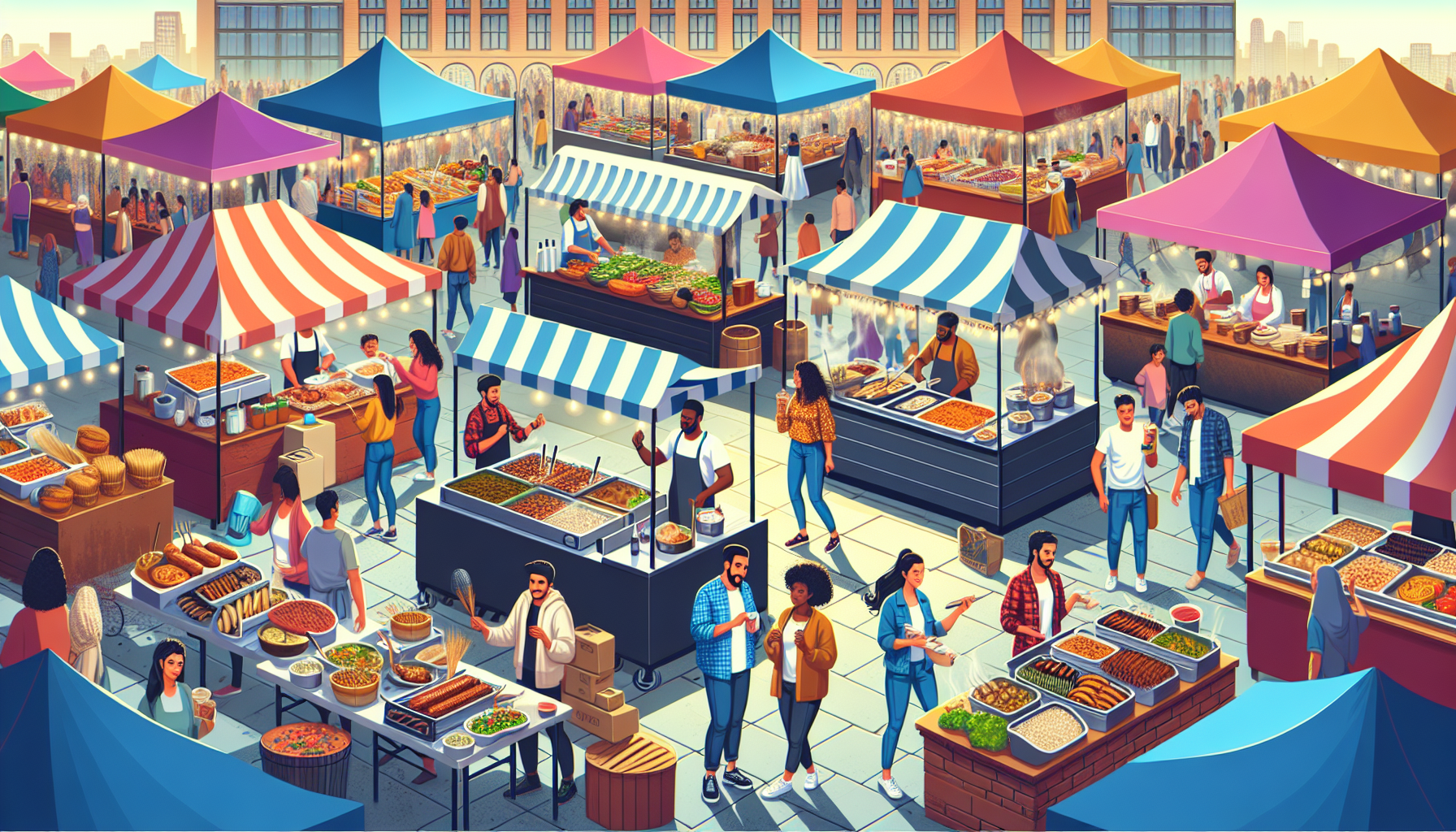
Street food festivals are an excellent way to explore and celebrate the diversity of culinary traditions. These events often bring together local vendors, chefs, and food enthusiasts. Some notable ones include:
- The Singapore Hawker Festival: A celebration of the nation’s multicultural heritage through food.
- The Melbourne Night Noodle Markets: A vibrant celebration that showcases Asian-inspired street food from various vendors.
Street Food and Social Change
Street food is also a platform for social change and community engagement. Many street vendors are women or immigrants who create economic opportunities for themselves and their families.
- Empowering Women: Programs supporting female vendors are gaining traction, allowing them to gain financial independence while sharing their culinary talent.
- Cultural Exchange: Street food fosters social interaction across different cultures, creating communal culinary experiences that bridge divides.
Culinary Techniques and Preparations
Street food preparation often emphasizes techniques that are fast, efficient, and flavorful:
- Grilling: Many street foods are grilled over an open flame, enhancing flavors while allowing for quick cooking.
- Frying: Deep-frying is a common method, adding a satisfying crunch to pastries and snacks.
- Stir-Frying: Quick stir-frying ensures that ingredients retain their flavors and textures, as seen in dishes like fried rice or noodles.
Sustainability in Street Food
As global awareness of sustainability grows, street food vendors are adopting eco-friendly practices:
- Locally-Sourced Ingredients: Many street vendors utilize local produce to minimize carbon footprints.
- Biodegradable Packaging: The shift towards eco-friendly packaging helps reduce plastic waste and environmental impact.
Global Fusion Street Food
Fusion street food merges culinary traditions from different cultures, creating innovative dishes that tantalize the taste buds.
- Korean Tacos: A blend of Korean ingredients and Mexican tacos, featuring marinated bulgogi beef in a tortilla.
- Sushi Burritos: Combining the concept of sushi rolls and burritos, these oversized rolls are stuffed with various fillings.
The Road to Gourmet Street Food
Street food has transcended its humble origins to become gourmet fare in many cities. High-end chefs are now venturing into street food territory, elevating simple dishes into culinary masterpieces. This trend has led to food trucks and pop-up stalls offering a range of sophisticated options:
- Chef’s Creations: Many culinary professionals are experimenting with creative flavors and presentations, taking street food to new heights.
- Food Truck Revolution: The food truck industry has exploded, with chefs creating mobile kitchens that serve gourmet versions of classic street food.
Experiencing Street Food: A Guide for Travelers
When traveling, embracing street food can provide a unique cultural experience. Follow these tips:
- Be Adventurous: Step out of your comfort zone and try new dishes or ingredients that you might not know.
- Engage with Vendors: Talk to the vendors, learn their stories, and understand the cultural significance behind their food.
- Share Your Discoveries: Document your culinary experiences and share them with others, promoting the artistry of street food.
Conclusion
Street food captures the essence of culinary traditions worldwide, acting as both a cultural artifact and an accessible means of sustenance. Every region offers a unique blend of flavors and techniques, showcasing the creativity and resilience of local communities. Whether you’re sampling spicy street tacos or sweet almond pastries, every bite tells a story, connecting you with the heart of a culture. Embrace the world of street food, where flavors meet history, and culinary adventures await.
advertisement