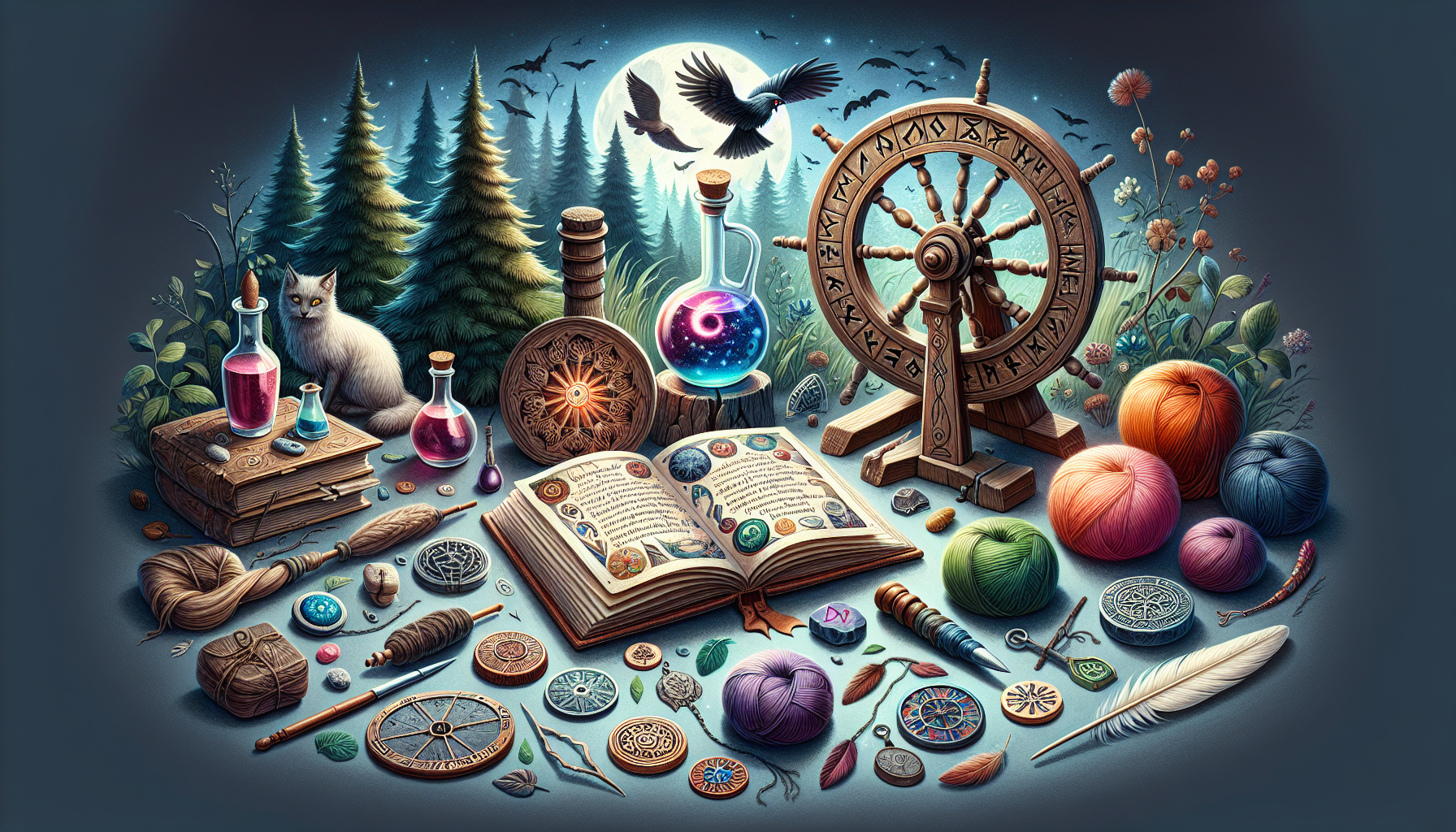
The Origins of European Folklore
European folklore is a treasure trove of stories, traditions, and cultural practices that have evolved over centuries across the continent. From ancient oral traditions to contemporary replications, these stories encapsulate the values, fears, and experiences of various cultures. Folklore ranges from fairy tales and myths to legends and fables, each teaching lessons that resonate with audiences through generations.
The Role of Oral Tradition
At the heart of European folklore is the oral tradition. Before the advent of printing, stories were passed down orally, often changing with each retelling. This feature contributed to a rich diversity in folklore, allowing local culture and societal norms to shape narratives. Oral tradition remains vital today, even as written records have come to dominate.
Key Categories of Folklore
European folklore can be classified into several categories:
-
Myths: These narratives explain the origins of the world, gods, and cultural practices. For example, the Greek myth of Prometheus tells of fire’s origin, encapsulating themes of creation and rebellion.
-
Legends: These are semi-historical accounts that often feature a hero’s journey or supernatural elements. The tale of King Arthur exemplifies British legend, blending history and myth with themes of chivalry and bravery.
-
Fairy Tales: Often aimed at children, these stories convey moral lessons through fantastical elements. Iconic characters, like Cinderella or Snow White, center on themes of goodness triumphing over evil.
-
Fables: These short tales typically feature animals that speak and act like humans, imparting moral lessons. The fables of Aesop are some of the most well-known, reminding readers of qualities such as honesty and perseverance.
-
Superstitions: Deeply rooted in culture, superstitions leverage the fear of the unknown. Beliefs surrounding bad luck associated with black cats or breaking mirrors can often be traced across various regions in Europe.
Country-Specific Folklore Highlights
Every European country contributes uniquely to the continent’s folklore tapestry, shaped by its history, geography, and social conditions.
Scandinavian Folklore
Nordic countries have a wealth of folklore, where Norse mythology holds a significant place. Deities like Odin, Thor, and Freya populate stories, responsible for natural events and human endeavors. Norse sagas, such as The Poetic Edda, blend history with myth, detailing the lives of gods and heroes. Trolls and elves also feature prominently, embodying the region’s deep-rooted connection to nature and the supernatural.
advertisement

Celtic Traditions
Celtic folklore from Ireland, Scotland, and Wales is rich with tales of magical beings, including fairies and fae. The Irish legend of Brigid, the goddess of poetry and healing, demonstrates the importance of divine feminine energy in Celtic spirituality. Other aspects include the annual celebration of Samhain, which marks the end of harvest and the onset of winter, reflecting the cyclical nature of existence.
Germanic Folklore
Germany is renowned for its fairy tales, largely popularized by the Brothers Grimm. Stories like Hansel and Gretel and Rumpelstiltskin reflect moral lessons while revealing common human fears and aspirations. Additionally, figures like the mythical creature, the Nix, often found in German rivers, serve as cautionary tales around the dangers of the natural world.
Slavic Folklore
Slavic folklore paints a vibrant picture of life, with tales centered around the Baba Yaga, a witch who lives in a hut that stands on chicken legs. She represents the wild, untamed aspects of nature and femininity. Folktales often depict human struggles against dark forces, embodying cultural resilience and adaptability.
Mediterranean Folklore
In Southern Europe, folklore draws from a rich historical tapestry influenced by ancient civilizations. From Spanish flamenco music intertwined with tales of gypsy culture to the Italian La Befana, a Christmas witch who delivers gifts to children, distinct regional traits flourish. These stories often celebrate love, passion, and the vibrancy of life.
The Influence of Folklore on Contemporary Culture
Today, European folklore significantly influences literature, film, and art. The adaptation of classics like Cinderella into modern films highlights the timeless nature of these tales. Storytelling festivals and folk festivals have also gained traction, celebrating the art of oral tradition and the diversity of narratives across Europe.
Folklore and Literature
Modern authors frequently draw upon folklore for inspiration. J.K. Rowling’s Harry Potter series, steeped in British folklore, introduces creatures like house-elves and centaurs. Similarly, Neil Gaiman’s American Gods juxtaposes various mythologies, including European, showcasing their lingering impact in contemporary storytelling.
Folklore and Art
Visual art has also embraced folklore. Artists depict mythical scenes from stories, capturing the magic and mystery that folklore embodies. Folk art, such as Polish wycinanki (paper cutouts), reflects traditional storytelling processes, transforming narratives into tangible forms.
The Rise of Folklore Festivals
Folklore festivals across Europe attract thousands each year, celebrating traditional customs, music, and storytelling. Events such as the Edinburgh Storytelling Festival immerse participants in narrative traditions, fostering community and preserving culture.
The Intersection of Folklore and Identity
Folklore plays a crucial role in shaping cultural identity. In an increasingly globalized world, many communities are turning back to their roots, emphasizing folklore as a means of preserving their heritage.
Cultural Heritage and Preservation Efforts
Organizations throughout Europe actively work on preserving folklore through documentation, performance, and revitalization projects. Initiatives focus on integrating folklore into education, ensuring that future generations maintain a connection to their cultural narratives.
The Global Impact of European Folklore
European folklore has not only shaped local identities but has also had a profound global influence. Many tales found their way across oceans through colonization and migration, adapting along the way. Stories like Daddy Long Legs and various folktales from the Brothers Grimm have inspired cultures worldwide.
Global Adaptations
Various popular adaptations of European stories show how they have evolved. For instance, the concept of the vampire in Dracula has sparked a subculture, leading to the creation of countless stories and films in different contexts—a testament to the universal appeal of folklore.
The Future of European Folklore
The respect and appreciation for folklore continue to grow, with efforts targeting the youth and new audiences through modern media formats, including podcasts and YouTube series dedicated to storytelling. Digitalization has also opened new avenues for these traditional stories, enabling wider accessibility while challenging them to evolve.
Embracing Diversity through Folklore
European folklore underscores the rich diversity of cultural narratives, reflecting unique societal values and historical experiences. Each story encapsulates truths about human existence, serving as a lens through which one can better understand the shared and individual aspects of culture across Europe.
Archiving the Oral Tradition
With the increasing risk of folklore fading away, robust archiving initiatives are being implemented in various regions. Documenting oral tales in audio-visual formats preserves these narratives while allowing for a resurgence in traditional storytelling practices. Technology has become a valuable ally in safeguarding cultural heritage.
Engaging the Community
To maintain the vibrancy of folklore, community engagement is essential. Local storytelling sessions and folk fairs facilitate an ongoing dialogue between generations, allowing elders to pass down knowledge and love for these tales while inspiring younger audiences.
The Transformation of Folklore
Finally, it is crucial to recognize that folklore is not a static entity; it continually transforms through reinterpretation and adaptation. Its ability to reflect contemporary issues, address societal challenges, and retain cultural relevance ensures its place at the heart of European identity for generations to come.
Understanding and appreciating this rich tapestry reveals the shared experiences across Europe and cultivates a greater respect for our diverse, interconnected cultural heritages. Each story remains a vital part of the dynamic narrative of humanity itself.
advertisement