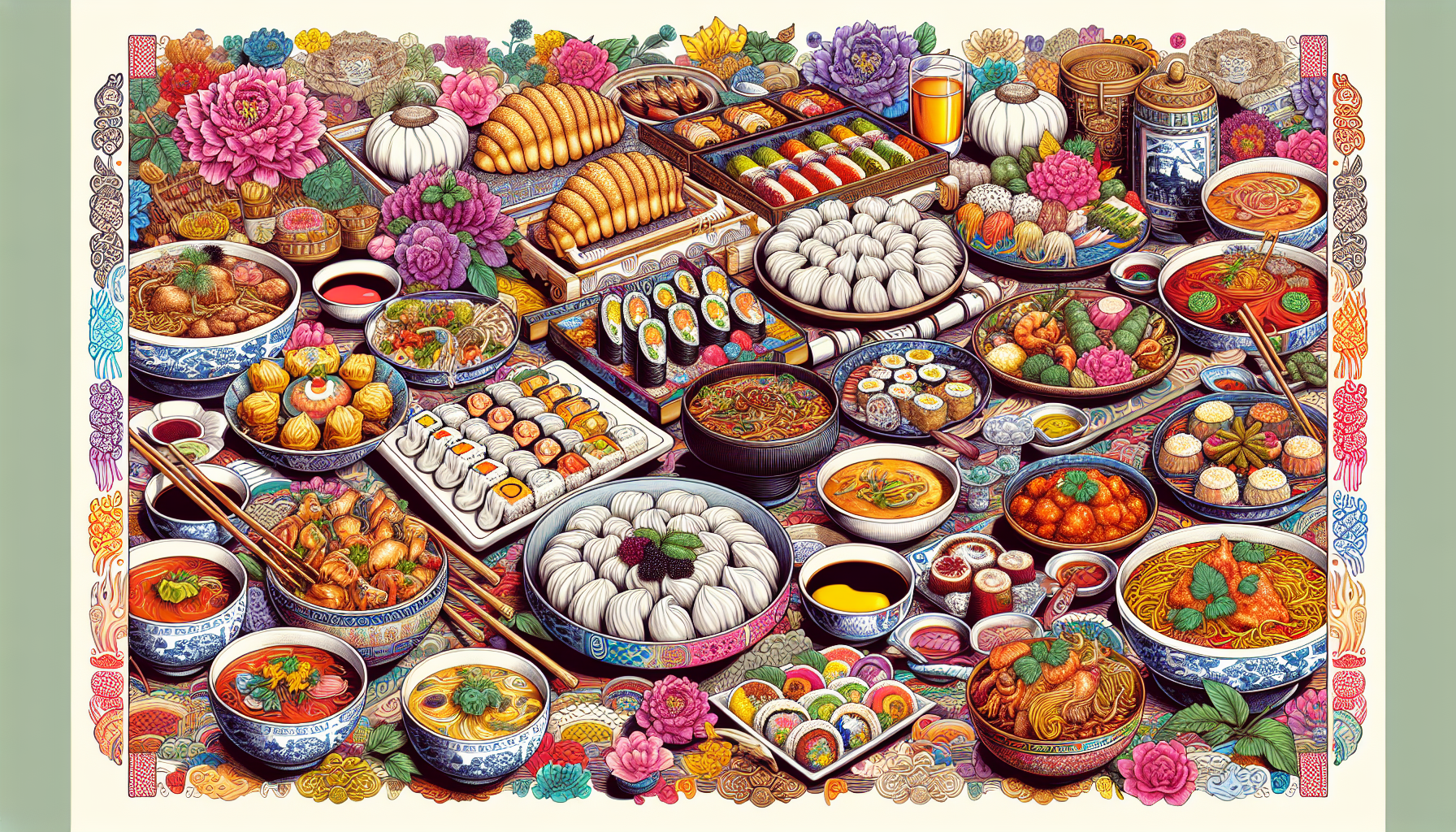
Exploring the Rich Tapestry of Asian Cuisine
The Diversity of Asian Cuisine
Asian cuisine is a tapestry woven with a kaleidoscope of flavors, ingredients, and cooking techniques. Spanning regions from the Middle East through South Asia, Southeast Asia, and East Asia, each culture offers unique culinary traditions, creating an extraordinary array of dishes. This article delves into various Asian cuisines, showcasing their distinctive features, significant ingredients, and iconic dishes.
East Asian Cuisine
1. Chinese Cuisine
Chinese cuisine is one of the most influential in the world, known for its rich flavors, diverse ingredients, and cooking styles. The four primary regional cuisines – Cantonese, Sichuan, Huaiyang, and Shandong – highlight the wide variety found within China.
-
Cantonese Cuisine: Characterized by mild, fresh flavors and a focus on seafood, Cantonese cuisine features dishes like dim sum, stir-fried vegetables, and roasted meats such as Peking duck.
-
Sichuan Cuisine: Known for its bold flavors, Sichuan cuisine utilizes spices like Sichuan peppercorns to create mouth-numbing sensations. Popular dishes include Kung Pao Chicken and Mapo Tofu.
-
Traditional Ingredients: Common ingredients in Chinese cuisine include soy sauce, rice, ginger, garlic, and a variety of vegetables. The balance of flavors is essential, bringing together umami, sweet, sour, and spicy notes.
2. Japanese Cuisine
Japanese cuisine emphasizes seasonal ingredients and artistic presentation. Rice is central, served in various forms, alongside fish and vegetables.
-
Sushi and Sashimi: Sushi combines vinegared rice with seafood or vegetables, while sashimi highlights the freshness of raw fish brushed with soy sauce and wasabi.
-
Ramen: This beloved noodle soup can vary greatly, featuring rich pork tonkotsu broth or lighter shoyu broth, topped with green onions, egg, and seaweed.
-
Traditional Techniques: Cooking methods like grilling (yakitori), steaming (chawanmushi), and frying (tempura) dominate, creating dishes that celebrate the integrity of the ingredients.
3. Korean Cuisine
Korean cuisine is distinguished by its use of fermented ingredients, vibrant flavors, and communal dining experience.
-
Kimchi: This staple dish is made from fermented vegetables, most commonly napa cabbage and radishes, seasoned with garlic, ginger, and chili pepper.
-
Banchan: These small side dishes accompany meals, featuring an array of vegetables, proteins, and grains.
-
Barbecue: Korean barbecue has gained international fame, where diners grill marinated meats like bulgogi and galbi at the table.
Southeast Asian Cuisine
4. Thai Cuisine
Thai cuisine is renowned for its harmonious blend of sweet, sour, salty, and spicy flavors. Fresh herbs and bold spices are signature components.
advertisement

-
Curries: Thai curries, like green and red curry, use coconut milk and a variety of fresh herbs for aromatic depth.
-
Pad Thai: This iconic noodle dish combines stir-fried rice noodles with ingredients like shrimp, tofu, bean sprouts, and peanuts, often garnished with lime.
-
Spices and Herbs: Key ingredients include lemongrass, galangal, Thai basil, and fish sauce, which contribute to the dish’s overall complexity.
5. Vietnamese Cuisine
Vietnamese food is characterized by its freshness, balance, and use of herbs. Meals are typically served with a variety of fresh greens.
-
Pho: This aromatic noodle soup combines tender beef or chicken broth with rice noodles and is garnished with fresh herbs like cilantro and basil.
-
Banh Mi: A delightful fusion of French and Vietnamese flavors, the banh mi sandwich combines a crispy baguette with savory meats, pickled vegetables, and fresh herbs.
-
Nuoc Cham: This quintessential dipping sauce made from fish sauce, lime, sugar, and chilies is ubiquitous in Vietnamese cuisine, adding a flavorful kick to various dishes.
South Asian Cuisine
6. Indian Cuisine
India’s culinary landscape is as vast as its culture, varying significantly from region to region with its rich spices and flavors.
-
Curries and Dals: Indian curries are diverse, with regional variations using ingredients like lentils, chickpeas, or vegetables cooked in spices such as cumin, turmeric, and cardamom.
-
Biryani: A fragrant rice dish cooked with marinated meat or vegetables and layered with spices, offering a celebratory dish often served during special occasions.
-
Street Food: Street food is iconic in India, with dishes like pani puri, samosas, and chaat showcasing the country’s vibrant flavors in a portable form.
7. Pakistani Cuisine
Pakistani cuisine shares similarities with Indian cuisine but incorporates unique spices and recipes influenced by its geographical location.
-
Nihari: This slow-cooked stew, traditionally prepared overnight and enjoyed as a breakfast dish, is rich in flavors and is usually served with naan or roti.
-
Biryani: Similar to its Indian counterpart, Pakistani biryani often features meat marinated in yogurt and cooked with fragrant basmati rice and spices.
-
Chapli Kebabs: These minced meat kebabs, infused with spices and herbs, are a popular appetizer or main course often served with chutney and naan.
Middle Eastern Cuisine
8. Persian Cuisine
Iranian cuisine is known for its use of saffron, pomegranate, and nuts, creating dishes that are both colorful and flavorful.
-
Joojeh Kabab: Grilled marinated chicken, often served with rice, tomatoes, and a side of grilled vegetables, highlights the simple yet profound flavors of Persian cooking.
-
Ghormeh Sabzi: A traditional herb stew made with kidney beans, lamb, and dried limes, known for its fragrant, earthy aromas.
-
Rice Dishes: The Persian rice pilaf, or “chelow,” is a staple, often served with stews or grilled meats, emphasizing the importance of rice in family gatherings and celebrations.
9. Turkish Cuisine
Turkish cuisine combines Mediterranean, Middle Eastern, and Central Asian flavors, creating a rich and fragrant culinary experience.
-
Meze: Small dishes served before the main course, meze includes a variety of dips, olives, and grilled vegetables, making dining a communal and social event.
-
Kebabs: Varieties of kebabs, such as döner and şiş, feature marinated meats grilled on skewers and served with pita and vegetables.
-
Baklava: This sweet pastry made from layers of phyllo dough, nuts, and honey highlights the balance of flavors in Turkish dessert traditions.
Conclusion: A World of Flavors
Asian cuisine embodies a journey of exploration that tantalizes the senses and serves as a cultural narrative across regions. Each dish tells a story of geography, history, and tradition while being a testament to the creativity of chefs and home cooks alike. The incredible variety of flavors, ingredients, and cooking techniques from Asia invites all food lovers to delving into this metropolitan mosaic of tastes. Engaging with Asia’s culinary heritage reveals the heart of each culture, making every bite a discovery of its own.
By appreciating and exploring the rich tapestry of Asian cuisine, food enthusiasts can experience a microcosm of the continent’s vast culinary potential, learning the value of diversity and creativity in every meal.
advertisement