The Essence of Sichuan Cuisine
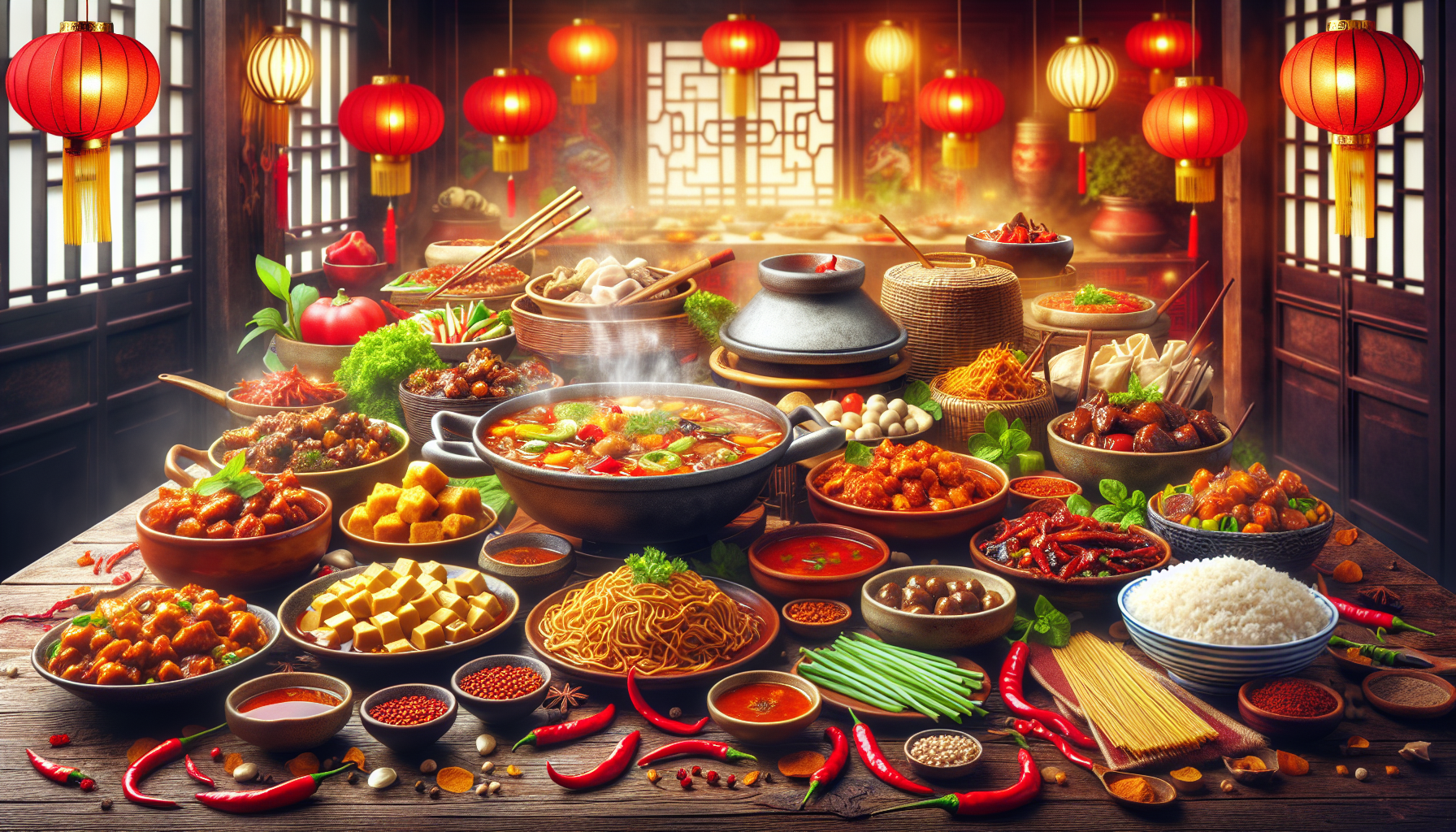
Sichuan cuisine, known for its bold flavors, diverse ingredients, and aromatic spices, originates from the Sichuan province in southwestern China. This culinary style has gained international fame, capturing the hearts (and taste buds) of food lovers around the globe. Characterized by its unique use of Sichuan peppercorns and a balance of hot and numbing flavors, Sichuan cuisine offers a myriad of dishes that reflect its rich cultural heritage. Each dish tells a story, representing the landscape, history, and traditions of its region.
Key Ingredients of Sichuan Cuisine
The foundation of Sichuan cuisine lies in its distinctive ingredients, which are skillfully combined to create complex flavors.
1. Sichuan Peppercorns
Sichuan peppercorns are the cornerstone of this cuisine, known for their unique numbing sensation. Unlike traditional black pepper, they don’t add heat but instead provide an intriguing tingle that enhances dishes. This peppercorn is often paired with red chilies to create the signature “numb and spicy” aroma.
2. Chili Peppers
Chilies are another critical component, adding heat and depth to the dishes. Various types of chilis are used, from the mild to the fiery, with dried red chilies being a common choice. Their vibrant red color also contributes to the visual appeal of the food.
3. Garlic and Ginger
Garlic and ginger are essential aromatics, forming the base of many Sichuan dishes. They provide a pungent depth that perfectly balances the heat of the spices.
advertisement

4. Fermented Bean Products
Fermented ingredients like doubanjiang (fermented broad bean paste) and doufu ru (fermented tofu) are frequently used. These add complexity and umami, bringing a depth of flavor to stir-fries and sauces.
5. Vinegars and Sauces
Sichuan cuisine utilizes various types of vinegar, especially black vinegar, to source a tangy balance in dishes. Soy sauce and oyster sauce are also staples, enriching flavors further.
6. Vegetables and Proteins
A broad array of vegetables, such as black fungus, bok choy, and Chinese eggplant, complements the meat and seafood proteins like pork, chicken, beef, and fish. Tofu is also widely used, serving as a fantastic protein source.
Signature Dishes to Savor
Sichuan cuisine is renowned for its most famous dishes, each bursting with flavors and embodying the essence of the region.
1. Mapo Tofu
Mapo tofu is a quintessential Sichuan dish featuring silken tofu simmered in a spicy, oily sauce made from minced pork, broad bean paste, and plenty of garlic. The dish’s rich flavors are balanced by the numbing heat from Sichuan peppercorns and the aromatic fragrance of ginger. It is often served over rice, making it a comforting meal.
2. Kung Pao Chicken
One of the most well-known Chinese dishes globally, Kung Pao Chicken combines diced chicken with peanuts, vegetables, and chilies. The complex flavors emerge from the sweet and savory sauce, while the wok-tossed ingredients lend a delightful crunch.
3. Dandan Noodles
Dandan noodles feature a mix of spicy chili oil, minced meat, and sesame paste tossed with wheat noodles. The balance of spicy, nutty, and salty flavors creates a satisfying dish commonly enjoyed as street food in Sichuan.
4. Hot Pot
Sichuan hot pot is a communal dining experience characterized by a bubbling pot of spicy broth at the center of the table. Diners cook assorted meats, vegetables, and noodles in the broth, which is often infused with an abundance of spices and aromatics, resulting in a rich, flavorful meal.
5. Twice-Cooked Pork
This dish showcases pork belly that is first boiled, then sliced and stir-fried with chili peppers, garlic, and leeks. The double cooking method ensures deep flavor absorption, making it a deliciously rich experience.
The Role of Seasoning in Sichuan Cuisine
Seasoning in Sichuan cooking is carefully crafted to create a harmonious balance among various flavor profiles. The technique of “numbing” (麻, má) and “spicy” (辣, là) is central, often achieved through the combination of spices and herbs.
1. Balancing Flavors
In Sichuan cuisine, achieving a balance of flavors is paramount. Sweet, sour, bitter, salty, and umami elements are thoughtfully integrated to create depth. For instance, the sweetness of the doubanjiang can temper the heat from chilis, forming a well-rounded taste.
2. Layering Techniques
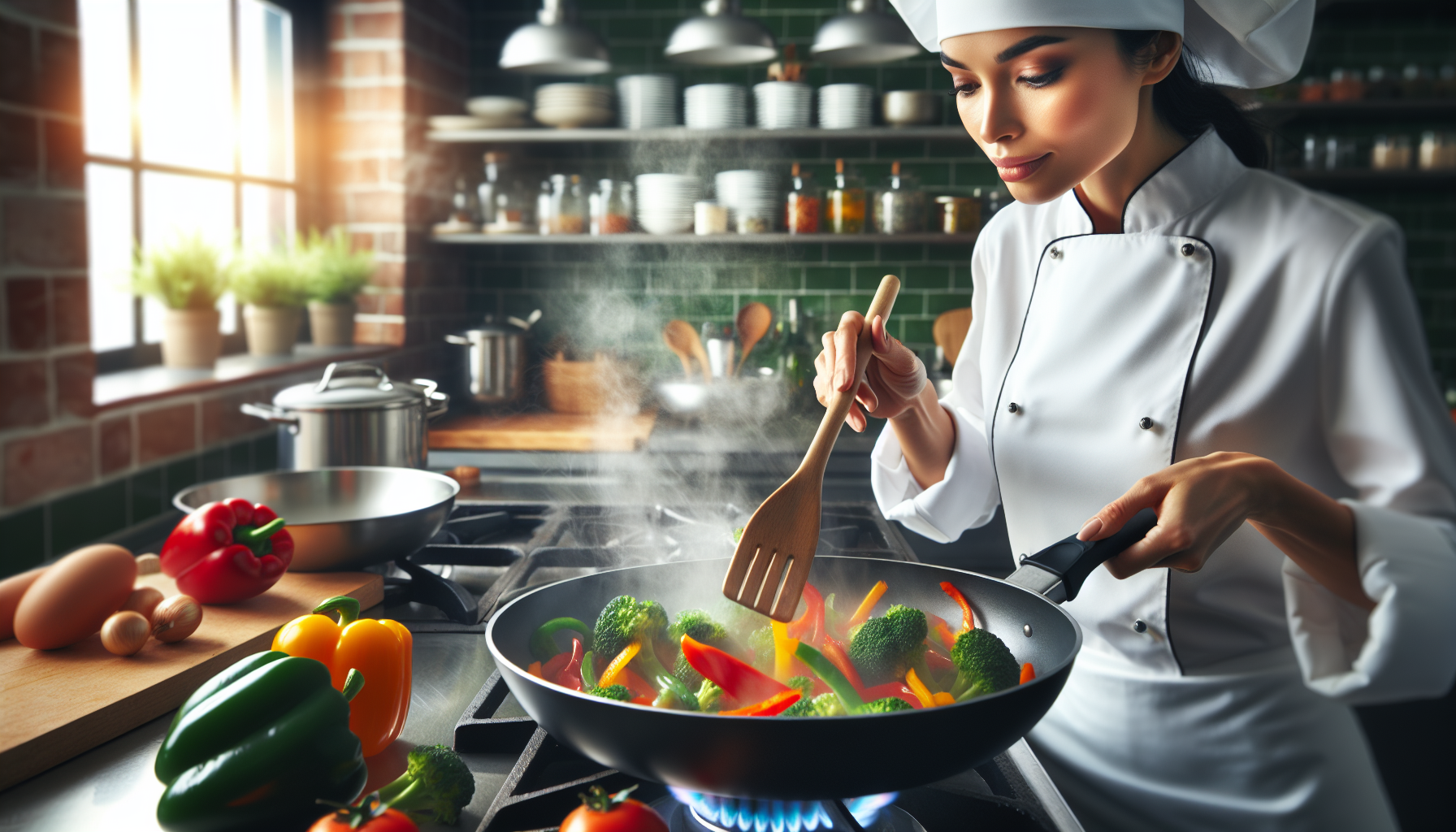
Layering flavors is a critical cooking technique. Starting with aromatics such as garlic and ginger, cooking on high heat in a well-seasoned wok, and adding chilies and spices at the right moment can optimize the taste experiences of a dish.
The Culture Behind Sichuan Cuisine
Sichuan cuisine is more than just food; it reflects the culture and lifestyle of the region’s people. Known for their fiery meals, the folks in Sichuan integrate meals into their social fabric.
1. Community Dining
Meals are often shared and enjoyed together, fostering connections among family and friends. The communal nature of dining, especially with dishes like hot pot, emphasizes the importance of relationships, harmony, and togetherness in Sichuan culture.
2. Festivals and Rituals
Food plays a vital role in Sichuan festivals and rituals. Specific dishes may be prepared during celebrations, reflecting local beliefs and traditions. For example, during Lunar New Year, dumplings and noodle dishes are favored as symbols of prosperity and longevity.
Pairing Beverages with Sichuan Dishes
Sichuan cuisine’s intense flavors demand careful consideration for drink pairings to enhance the overall experience.
1. Tea
Chinese tea, particularly pu-erh or jasmine tea, is a popular accompaniment, known to cleanse the palate and complement the spices in the dishes.
2. Beer and Wine
The heat of Sichuan dishes can be offset by light beers or crisp white wines, such as Riesling, providing a refreshing contrast.
3. Sichuan Spirits
Baijiu, a traditional Chinese spirit, can also pair well with hearty Sichuan meals, enhancing the flavors and offering a unique tasting experience.
Exploring Sichuan Cuisine in Restaurants
When venturing to enjoy Sichuan cuisine in restaurants, a few key points can help maximize your experience.
1. Selecting a Restaurant
Opt for establishments that focus explicitly on Sichuan dishes, as the authenticity and care in preparation can greatly affect the meal’s quality.
2. Understanding the Menu
Many Sichuan restaurants offer an extensive menu. Familiarize yourself with common dishes and don’t hesitate to request recommendations from the staff. Be expressive about your spice tolerance for a better dining experience.
3. Ingredient Preferences
Trust the chef to curate a dining experience but communicate any specific preferences or dietary requirements you may have.
Understanding the Global Influence of Sichuan Cuisine
In recent years, Sichuan cuisine has seen a rise in popularity worldwide. Its unique flavors and innovative dishes have influenced many culinary artists and chefs outside of China, leading to fusion cuisines and even gourmet offerings.
1. Culinary Workshops and Classes
With the global interest in Sichuan cuisine, numerous cooking classes and workshops are available. These courses allow participants to learn about the ingredients, preparation techniques, and the cultural significance behind the dishes.
2. Social Media and Blogs
Platforms like Instagram and food blogs regularly showcase Sichuan cuisine, elevating its profile and introducing it to new audiences. Food enthusiasts share recipes, cooking tips, and dining experiences, emphasizing the vibrant tastes of this culinary style.
Regional Variations of Sichuan Cuisine
While Sichuan cuisine is often associated with its iconic fiery flavors, variations exist within the region itself.
1. Chengdu Style
Chengdu, the capital of Sichuan province, is known for its bold and spicy flavors. Dishes here often highlight a variety of local ingredients and are characterized by daring combinations.
2. Other City Influences
Cities like Chongqing, Leshan, and Zigong add their twists to traditional Sichuan dishes, incorporating local ingredients and seasonal variations in preparation, enriching the overall experience of Sichuan cuisine.
Contributing Factors to the Popularity of Sichuan Cuisine
A few factors bolster the enduring appeal of Sichuan cuisine, making it an ever-popular choice globally.
1. Diversity of Flavors
The ability to cater to different palates, with a range of flavors from the subtle to the extremely spicy allows for a high level of culinary satisfaction.
2. Health Benefits
Many Sichuan dishes incorporate fresh vegetables and lean meats, promoting balance in nutrition. The use of spices has been noted for stimulating digestion and improving appetite.
3. Globalization and Cultural Exchange
As cultures intertwine, Sichuan cuisine finds itself adapting and reshaping into various forms in foreign countries, keeping the cuisine contemporary and accessible.
Sichuan cuisine continues to thrive, showcasing a rich tapestry of flavors that reflect its unique cultural heritage. By embracing its spicy and numbing attributes, culinary enthusiasts can choose from a diverse and robust menu that transcends barriers and builds connections.
advertisement