Exploring the Rich Flavors of Italian Cuisine
Italian cuisine, known for its diverse flavors and rich, historical roots, is a culinary art form that transcends borders. Each region in Italy boasts its own distinctive dishes, ingredients, and cooking techniques, which collectively create a tapestry of culinary tradition that is both authentic and contemporary. This article will delve into the essential elements of Italian cuisine, highlighting regional specialties, key ingredients, cooking techniques, and popular dishes, while also emphasizing its profound cultural significance.
The Regional Diversity of Italian Cuisine
Italy’s landscape is as diverse as its culinary traditions, ranging from the snow-capped Alps in the north to the sun-drenched beaches of the south. Each region has developed its own unique style of cooking based on geographical resources, climate, and historical influences.
-
Northern Italy: Known for its creamy risottos and polenta, Northern Italy is characterized by its use of butter, cheese, and a variety of meats. The provinces of Lombardy and Piedmont are famous for their risotto alla Milanese and the rich Barolo wine. The coastal areas, such as Liguria, offer fresh seafood paired with aromatic pesto made from basil, pine nuts, and Parmigiano-Reggiano.
-
Central Italy: This region, which includes Tuscany and Umbria, is renowned for its hearty, rustic dishes. The use of olive oil, beans, and fresh vegetables is prevalent. Classic dishes such as Ribollita (a Tuscan vegetable soup) and Pici (hand-rolled pasta) showcase the simplicity and quality of local ingredients. Additionally, Central Italy is the home of some of the finest wines, including Chianti and Montepulciano.
-
Southern Italy: Southern cuisine highlights fresh vegetables, tomatoes, and seafood, reflecting the Mediterranean influence. Dishes like Caprese salad, packed with ripe mozzarella, tomatoes, and basil, are iconic. The streets of Naples are synonymous with pizza, especially the classic Margherita, characterized by its thin crust and high-quality ingredients. The region’s proximity to the sea infuses flavors of fresh fish into culinary staples like Spaghetti alle Vongole.
-
Sicily and the Islands: Sicily features a melting pot of culinary influences due to its rich history of conquest and trade. Its dishes often combine elements from Arab, Spanish, and Italian cuisines. Arancini (stuffed rice balls) and Cannoli (pastry filled with sweet ricotta) are popular treats reminiscent of the island’s fusion past. The use of citrus fruits, particularly lemons and oranges, is prominent in both sweet and savory dishes.
Key Ingredients that Define Italian Cuisine
Italian cuisine is deeply rooted in using high-quality, fresh ingredients that celebrate the essence of the land. Some of the staple ingredients include:
-
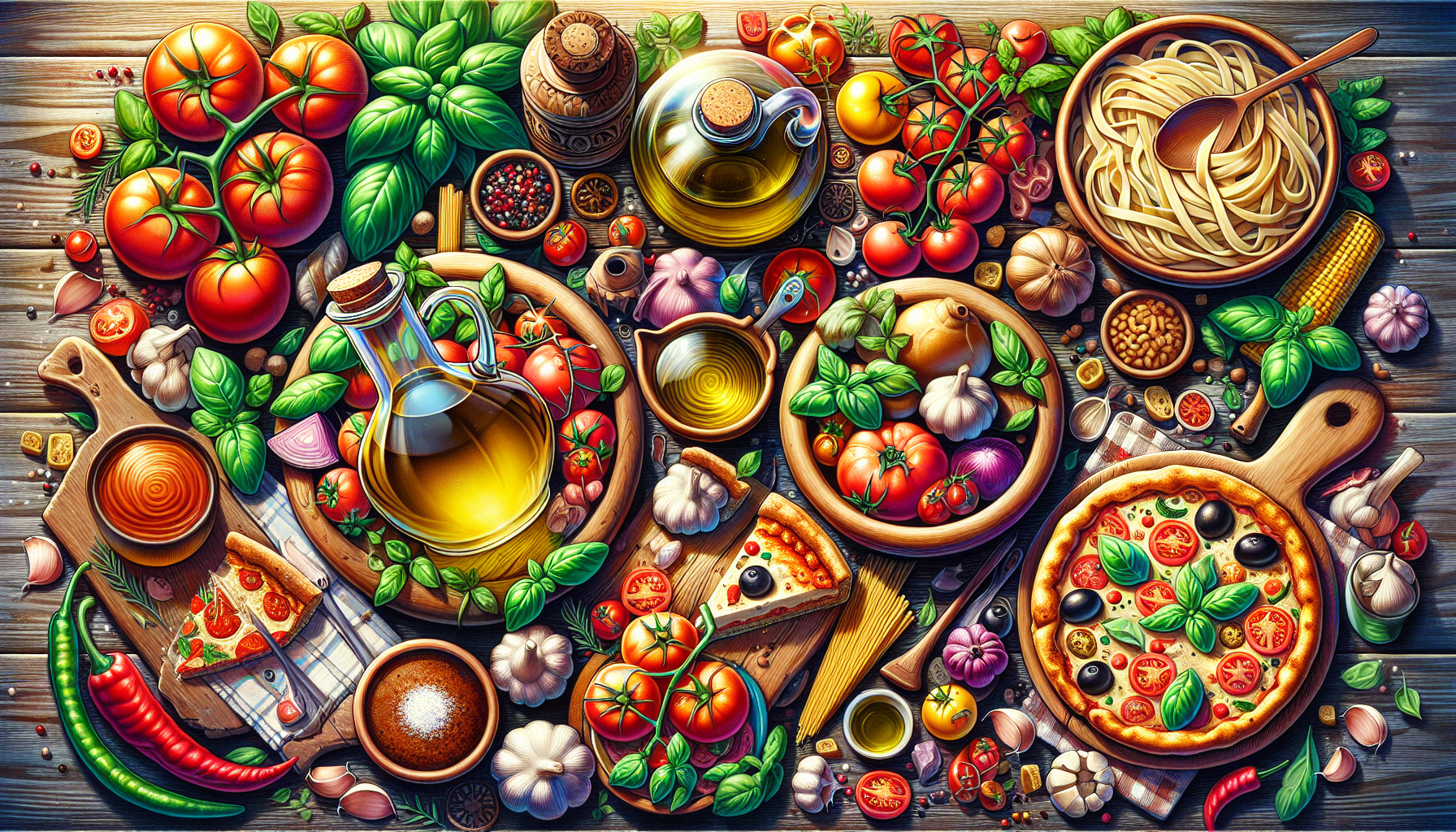
Olive Oil: Often referred to as “liquid gold,” high-quality extra virgin olive oil is a vital component in Italian cooking, used for dressing salads, drizzling over pizza, or finishing dishes.
-
Tomatoes: Central to Italian cuisine, tomatoes can be found in countless forms, including fresh, sun-dried, canned, and pureed. Varieties like San Marzano are celebrated for their rich flavor and sweetness.
-
Pasta: With over 600 shapes, pasta is a cornerstone of Italian culinary tradition. From wheat to egg-based varieties, each shape pairs uniquely with different sauces, enhancing the dining experience.
-
Cheese: Italian cheese is an indispensable part of the cuisine. Parmigiano-Reggiano, Mozzarella di Bufala, and Pecorino Romano add depth of flavor and texture to various dishes.
-
Herbs and Spices: Fresh herbs such as basil, oregano, and parsley, along with spices like garlic and red pepper flakes, play a crucial role in flavoring Italian dishes.
Cooking Techniques in Italian Cuisine
Italian cooking hinges on a few fundamental techniques that harness the natural flavors of the ingredients while respecting tradition.
-
Sautéing: A common method used to build flavors, sautéing is often the first step in preparing sauces and vegetables. High-quality olive oil or butter is typically used to elevate the dish.
-
Risotto Making: This technique involves gradually adding broth to rice while stirring, allowing for creamy, flavorful grains. Arborio rice is the preferred type for this dish.
-
Baking: From pizzas to lasagnas, baking brings out the rich flavors and textures of various Italian dishes. Traditional wood-fired ovens impart a unique smoky flavor.
-
Slow Cooking: Dishes such as ragù, a meat-based sauce, benefit from slow cooking, which allows the flavors to meld. This technique is essential for hearty stews and braised meats.
-
Grilling and Roasting: Grilled vegetables and meats showcase the natural sweetness and richness of seasonings, making grilling a favored method for summer dishes.
Iconic Italian Dishes
Exploring the depths of Italian cuisine leads to a plethora of delectable dishes that have gained international acclaim.
advertisement

-
Pizza Napoletana: Originating from Naples, this pizza features a thin, soft crust topped with crushed tomatoes, fresh mozzarella, and basil. It’s baked at high temperatures to create a beautifully blistered crust.
-
Lasagna: Layered pasta sheets, rich meat sauce, creamy béchamel, and cheese come together in this comforting dish. Each Italian family maintains its own secret recipe spanning generations.
-
Tiramisu: This beloved dessert consists of layers of coffee-soaked ladyfingers and a creamy mascarpone mixture, dusted with cocoa powder. Its origins can be traced to the Veneto region.
-
Osso Buco: A Milanese specialty featuring braised veal shanks served with gremolata, a zesty mix of lemon, garlic, and parsley. Typically served with risotto, this dish exemplifies the marriage of flavors.
-
Pesto alla Genovese: A bright, vibrant basil sauce that serves as a classic dressing for pasta. Made traditionally by grinding basil, garlic, pine nuts, salt, Parmigiano-Reggiano, and olive oil, it celebrates the freshness of ingredients.
The Cultural Significance of Italian Cuisine
More than just sustenance, Italian cuisine plays a crucial role in cultural identity and familial bonds. Meals are often communal experiences, reflecting the importance of family and togetherness in Italian culture. Whether it’s Sunday dinner or a festive occasion, shared dining fosters a sense of belonging and tradition.
Italian culinary traditions are also deeply embedded in local customs and seasonal festivals, celebrating everything from the harvest of olives to the art of pasta making. Many towns and cities host food festivals that highlight regional specialties, allowing locals and visitors to experience the vibrant culinary landscape firsthand.
Pairing Italian Wines with Cuisine
Italy is famously home to some of the world’s best wines, which are crafted to complement its rich dishes. Each region produces wine that pairs beautifully with local cuisine.
-
Chianti: This Tuscan red wine, known for its acidity and rustic character, pairs elegantly with pasta dishes featuring tomato-based sauces and grilled meats.
-
Prosecco: A sparkling wine from Veneto, Prosecco’s fruity notes make it a delightful aperitif or companion for lighter fare like seafood and salads.
-
Barolo: Often referred to as the “King of Wines,” this full-bodied Nebbiolo from Piedmont is best enjoyed with rich, slow-cooked meats and hearty risottos.
-
Brunello di Montalcino: Another remarkable Tuscan wine, it pairs wonderfully with aged cheeses and roasted meats, accentuating the flavors of the dish.
By understanding the intrinsic connections between food, family, and culture, one can fully appreciate the art of Italian cooking and its impact on culinary traditions worldwide.
The Global Influence of Italian Cuisine
Italian cuisine has transcended its geographical roots, becoming a global phenomenon. The principles of freshness, seasonality, and simplicity have inspired chefs and home cooks around the world. From Italian-American adaptations like spaghetti and meatballs to global variations of pizza and risotto, Italian flavors continue to evolve, reflecting local tastes while retaining their authentic essence.
Pasta, in particular, has become a versatile canvas for worldwide creativity, with countless variations emerging that honor or reinterpret traditional methods. As more people seek to learn about Italian cooking, culinary schools and online platforms are increasingly teaching the art of making pasta from scratch and understanding regional variations.
Conclusion
Italy’s culinary landscape is a celebration of rich flavors, regional diversity, and time-honored traditions. Each dish tells a story, embodying the essence of the land and the love of food that Italians hold dear. Whether savoring a bowl of pasta, indulging in a sweet dessert, or enjoying a glass of fine wine, the experience of Italian cuisine is an invitation to explore, connect, and share in the joys of life. It is a journey that continuously evolves, offering new and exciting tastes while remaining deeply rooted in heritage. Through its culinary offerings, Italy continues to inspire and delight food lovers across the globe, ensuring its place as one of the world’s most celebrated cuisines.
advertisement